
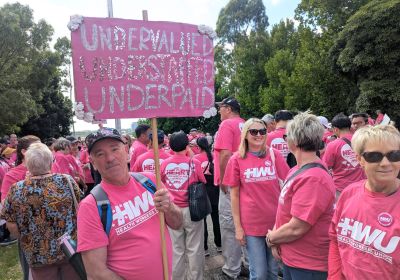
Thousands of healthcare workers from across Victoria went on strike to demand better pay and conditions, reports Jacob Andrewartha.
Thousands of healthcare workers from across Victoria went on strike to demand better pay and conditions, reports Jacob Andrewartha.
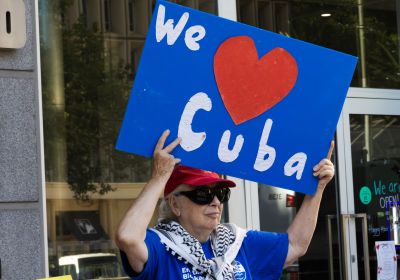
The Australia Cuba Friendship Society organised a rally outside the United States Consulate in Boorloo/Perth to protest the ongoing blockade on Cuba. Cameron Mitchell reports.
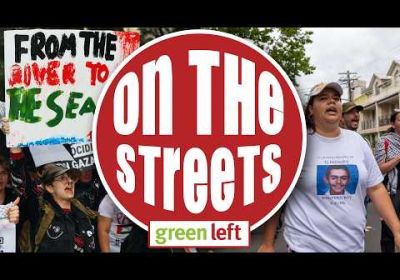
On this episode of On The Streets, we discuss protests for trans rights, justice for TJ Hickey and Palestine solidarity.
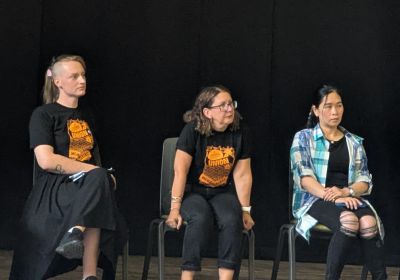
More than 500 people attended the launch for the United Workers Union Members First ticket, indicating enthusiasm for the union to take a new direction. Jacob Andrewartha reports.
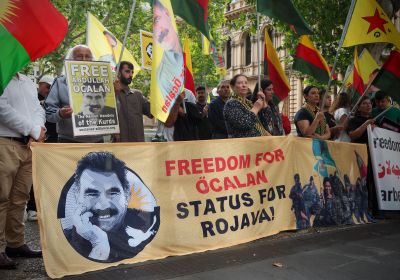
Rallies were held in major cities calling for the release of Kurdish leader Abdullah Öcalan, who has been imprisoned in Turkey for the past 27 years. Kerry Smith reports.
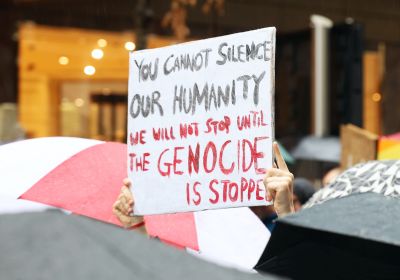
Thousands of people protested the Queensland government’s threats to ban Palestine freedom slogans over six protests in one week. Alex Bainbridge reports.
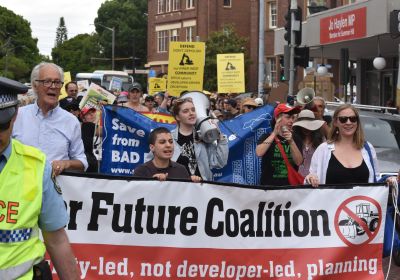
Isaac Nellist reports on the new code of conduct changes for NSW local councils and how they will impact local democracy and campaigns.
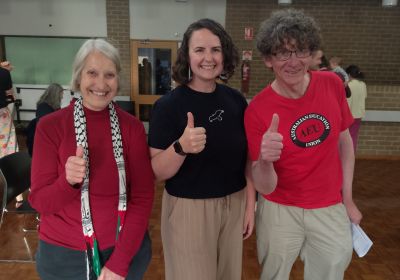
Friends of John Fawkner College organised an event to discuss how to build community support and call for more resources for their local public schools. Darren Saffin reports.
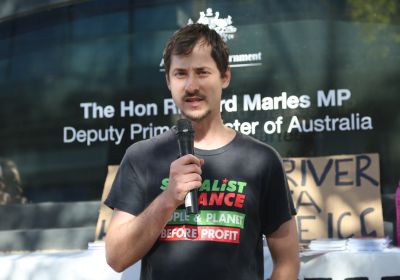
A protest outside deputy prime minister and defence minister Richard Marles’ electorate office demanded he end the two-way arms trade with Israel. Tim Gooden reports.
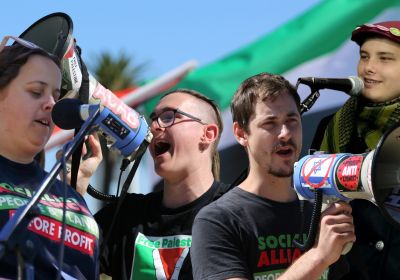
Socialist Alliance has decided to run in all four of Djilang/Geelong’s lower house seats in the Victorian elections. Sue Bull reports.
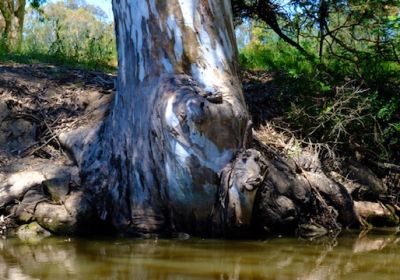
Ancient river red gums and Gunaikurnai scar trees along the Sale Canal in Victoria are again at risk — not from axe or fire, but from erosion. C S Hughes reports.
On this episode of On The Streets, we discuss the huge protests against Israeli President Isaac Herzog and the police violence against protesters on Gadigal Country/Sydney.
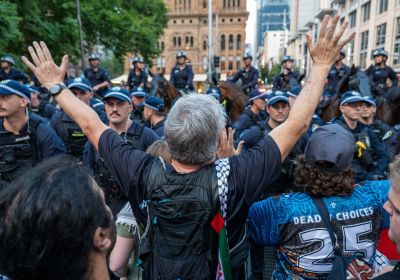
Tens of thousands of people joined protests across the country to oppose Prime Minister Anthony Albanese’s invitation to war criminal Israeli President Isaac Herzog.
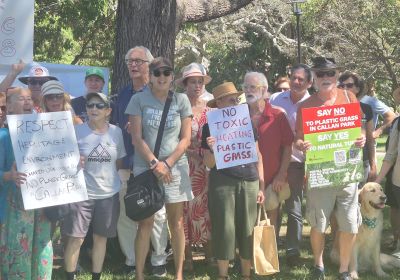
Friends of Callan Park organised a rally at the Callan Park gates to protest the installation of plastic grass fields on two existing sporting grounds. Arlo Valmai reports.
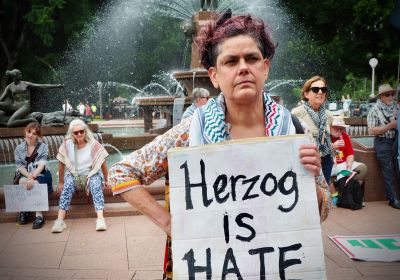
Growing numbers believe that Labor’s invitation to Israeli President Isaac Herzog does nothing to promote social cohesion or tackle antisemitism. Pip Hinman reports.
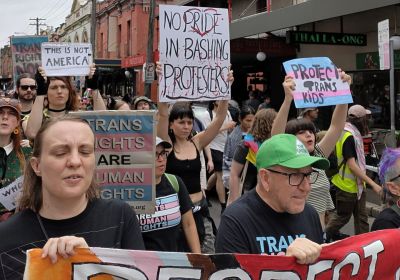
Chris Minns apologised to the 78ers in 2016 about police violence. Barbara Karpinski writes that police are still traumatising youth at an ever-increasing rate and that Mardi Gras has to acknowledge this.
Public money must come with public obligations, argues Suzanne James. If publicly funded institutions are to serve a diverse population, they must operate on civic principles that apply equally to all.
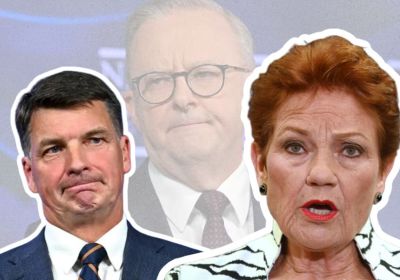
While opinion polls show Pauline Hanson’s One Nation ahead of the Coalition, how substantial or transient this is remains a political question, argues Alex Bainbridge.
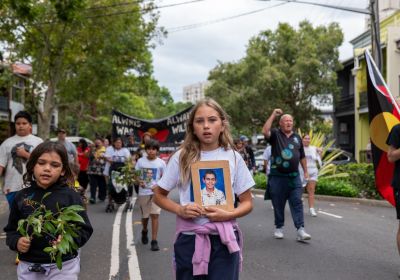
Multiple government agreements have been made to “close the gap” but, as Peter Boyle writes, the 2025 Closing the Gap report reveals that most measures will not be reached by 2030.
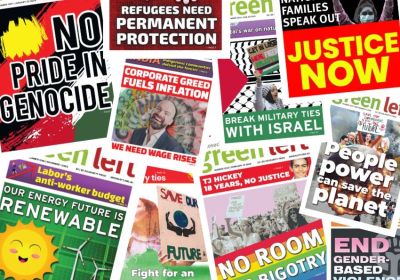
In Australia’s mostly corporate-owned media landscape, Green Left has been speaking truth to power for 35 years. Ben Radford explains GL’s commitment to building grassroots movements, reporting on events distorted by the mainstream media and showing international solidarity.
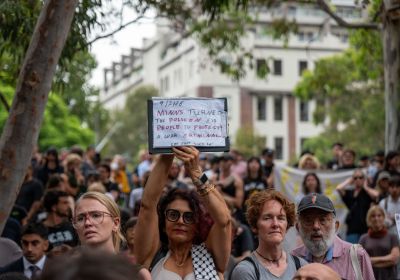
Suzette Meade writes that NSW Premier Chris Minns is copying former Queensland Premier Joh Bjelke-Petersen's authoritarian tactics, claiming that “order” requires the silencing of public voices.
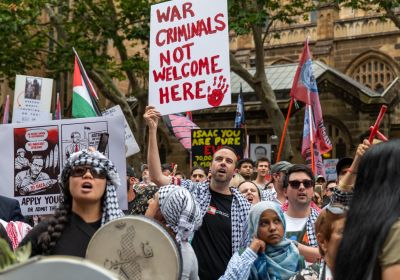
When the masses chanted “Arrest Herzog”, they were not calling for vengeance but accountability, writes Shamikh Badra.
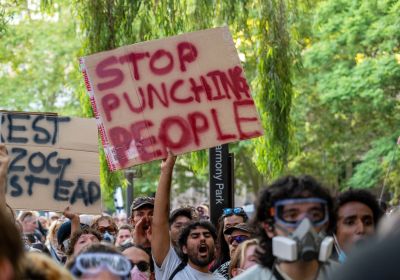
Israel’s President Herzog has departed leaving less “social cohesion”, while politicians, justices and NSW Police have many questions to answer, writes Wendy Bacon.
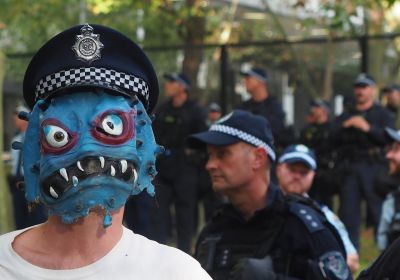
The police violence at the protest against the visit of Israeli President Isaac Herzog reflects a deeper political failure of the system, argues Stuart Rees.
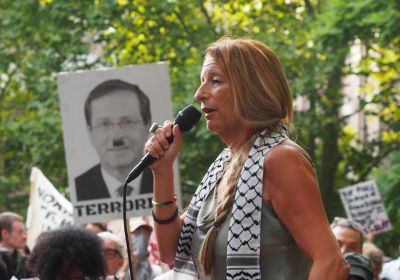
Judith Treanor writes that had authorities facilitated a peaceful march, the huge protest against Isaac Herzog on Gadigal Country/Sydney would have concluded without incident, as it did in more than 30 other places across the country that night.
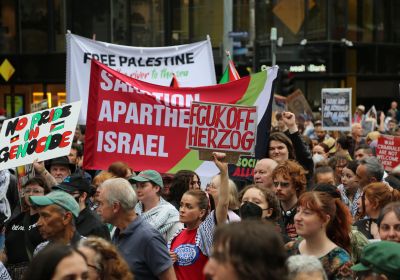
Pip Hinman argues that Prime Minister Anthony Albanese’s invitation to Israeli President Isaac Herzog to visit Australia has underscored the deep ties between Labor and the genocidal state of Israel.
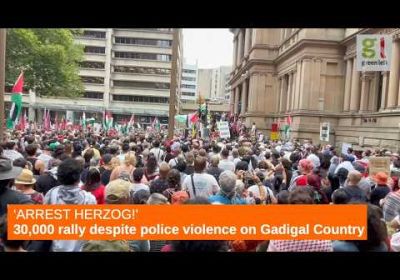
Activists Gabi McCutcheon and Paula Corvalan share their accounts of the NSW Police violence at the Sydney protest against Israeli President Isaac Herzog.

The Australian Council of Social Services warns the latest rise would disproportionately affect lower-income households, many of whom already spend a larger share of their income on essential costs. Suzanne James reports.
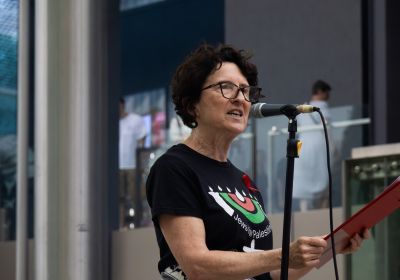
Janet Parker argues that even though the Bondi shooters had nothing to do with the peaceful pro-Palestine movement, the pro-Israel ghouls have seized on the tragedy and now seek to use it as a weapon to shut us down and shut us up. But they won’t succeed.
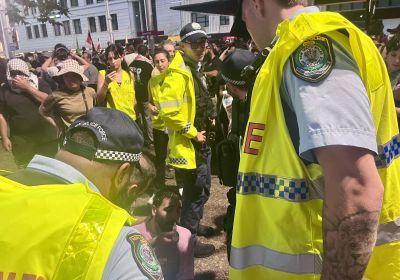
Pip Hinman argues that Premier Chris Minns’ dishonest and cruel justifications for police violence against people protesting the visit of Zionist Isaac Herzog show he is not fit to lead the state.
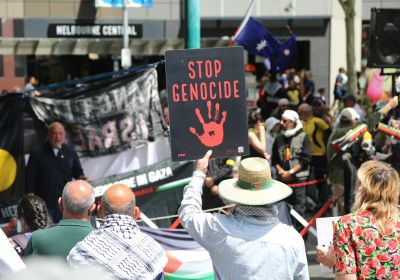
The attorney-general and home affairs minister assert that criticism of Israel and Zionism will not fall foul of the new hate speech laws, but Paul Gregoire argues that because they are so broad, this may not be the case.
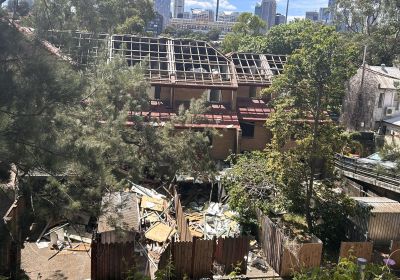
A new Australian Council of Social Services report criticised generous tax breaks for driving up home prices and supercharging inequality. Ben Radford argues that without significant grassroots pressure, the political establishment will not budge from its investor-friendly housing system.
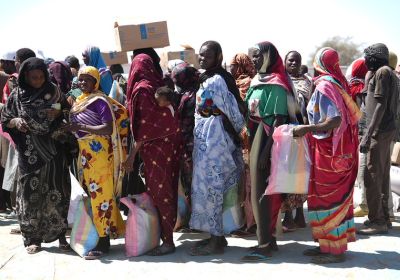
As the war in Sudan surpasses 1000 days, famine spreads throughout the country, reports Pavan Kulkarni.
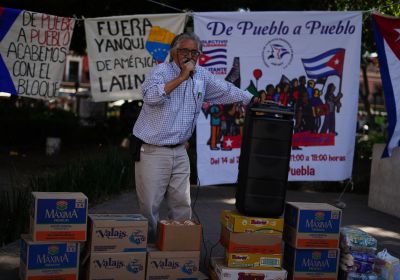
Tamara Pearson reports that Mexicans have mobilised around the country to donate tonnes of food, medicine and supplies, such as batteries and hygiene products, to Cuba.
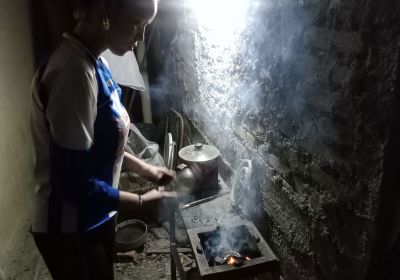
Cooking with charcoal, waiting for water; women and the elderly bear the brunt of Donald Trump’s measures against Cuba. Lisandra Fariñas reports from Cuba’s capital, Havana.
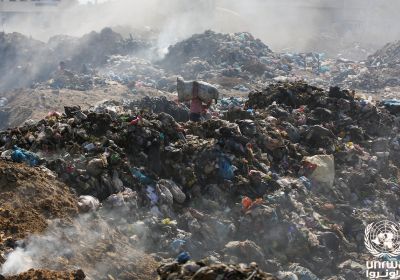
After Israel cut off fuel and electricity supplies in Gaza, fuel has become largely inaccessible, forcing thousands of Palestinians to confront an urgent and ongoing energy shortage, writes Islam Elhabil.
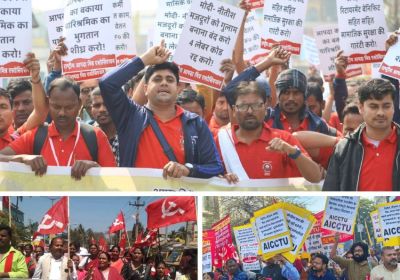
About 300 million took to the streets demanding the government’s withdrawal of anti-people policies, such as four new labour codes and recently signed trade deals with the United States and European Union. Abdul Rahman reports.
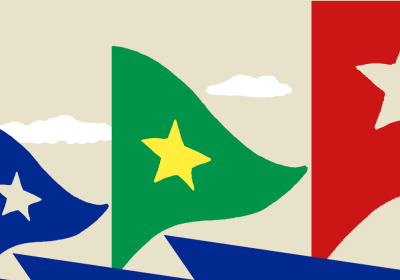
The Nuestra América (Our America) Flotilla — inspired by the Global Sumud Flotilla missions to break Israel’s illegal blockade of Gaza — will set sail to Cuba to bring critical humanitarian aid to the Cuban people, who are suffering under the impacts of the United States blockade. Brett Wilkins reports.
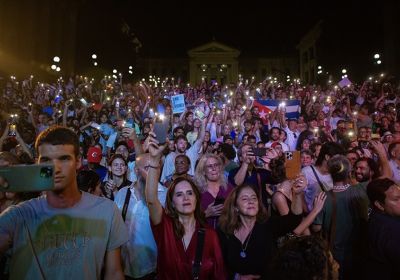
More than 100 Cuban artists, intellectuals, dancers, musicians and writers released an open letter calling on colleagues from across the world to denounce the United States’ attacks and stand with Cuba, reports Peoples Dispatch.
British MP and Your Party co-founder Zarah Sultana and other international progressive political figures will participate in the upcoming 1st International Anti-fascist Conference in Porto Alegre, Brazil. Susan Price reports.
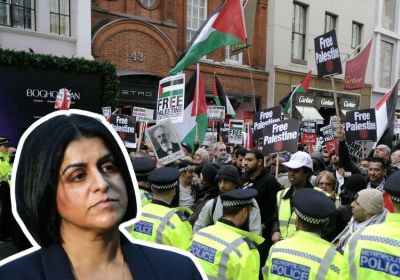
In a victory for the right to protest, the British High Court overturned former home secretary Yvette Cooper’s 2025 order banning protest group Palestine Action. Susan Price reports.
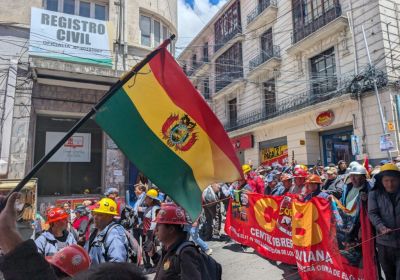
After a series of protests over cuts to fuel subsidies brought the country to a halt, Bolivia’s powerful social movements embark on a new chapter and face new forms of repression. Gabriel García Rodríguez reports.
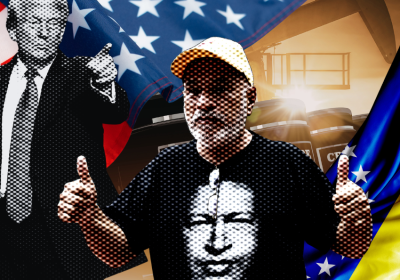
Since the United States military assault on Venezuela, there have been rapid changes in the country, most importantly the reform of Venezuela’s oil law. In the second of our two-part interview, Federico Fuentes speaks to author and sociologist Malfred Gerig about the reform, the likelihood of resistance and solidarity with the Venezuelan people.
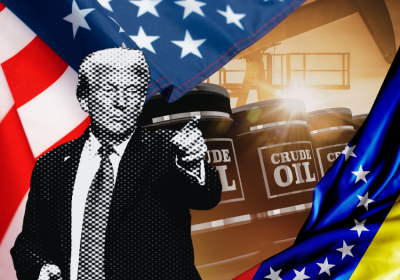
In the first of our two-part interview, Federico Fuentes spoke to Malfred Gerig, a sociologist and author from the Central University of Venezuela, to discuss how the US government’s military assault on Venezuela was able to occur, US aims in Venezuela and the region and the role of Venezuela’s right-wing opposition.
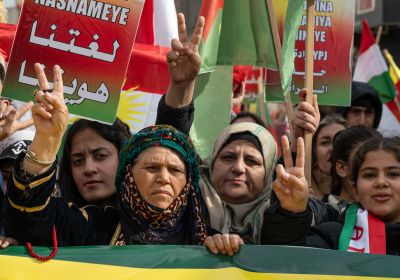
Sarah Glynn reports on the situation on the ground in Syria and Turkey, following the ceasefire and integration agreement signed by the Syrian Transitional Government and the Autonomous Administration of North and East Syria and Syrian Democratic Forces.
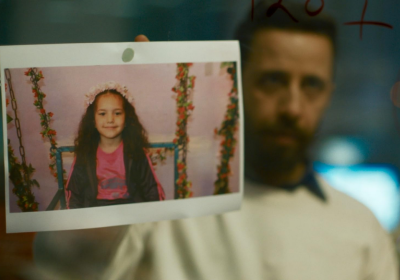
Mei-Ing Cheok reviews Kaouther Ben Hania’s award-winning docudrama, The Voice of Hind Rajab, which confronts us with the unbearable final hours of five-year-old Hind Rajab, one of the countless child victims of Israel’s war on Gaza.