-
-
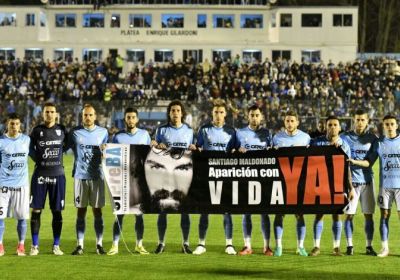
Football players, past and present, have spoken out on the case of Santiago Maldonado, an indigenous rights activist who has not been seen since Border Force officers violently broke up a protest by a Mapuche community in Argentina’s Patagonia region on August 1.
-
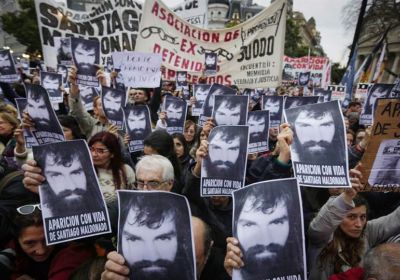
September 1 marks one month since the last time he was seen. Santiago Maldonado, a 28-year-old artisan, was protesting on August 1 in solidarity with the struggle of the Mapuche people from the Lof Cushamen community in Chubut province, in Argentina’s Patagonia region.
-
-
-
-
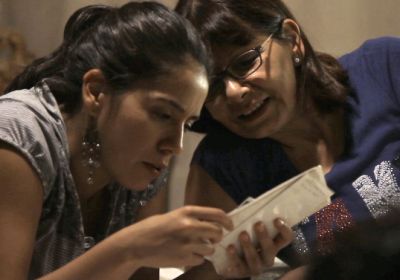
While Adriana’s Pact director Lissette Orozco reflects on the role her aunt, Adriana Rivas, played during the Augusto Pinochet dictatorship, Roberto Calzadilla's El Amparo focuses on one of a number of state-sponsored massacres of civilians that occurred during the 1980s in Venezuela as a prelude to the bloodbath that would occur in the February 1989 Caracazo uprising.
-
-
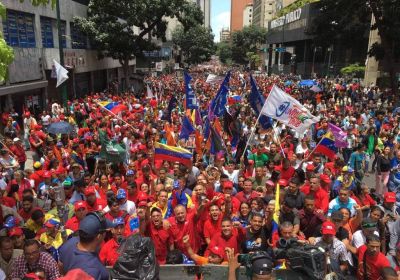
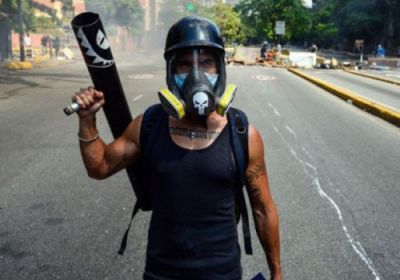
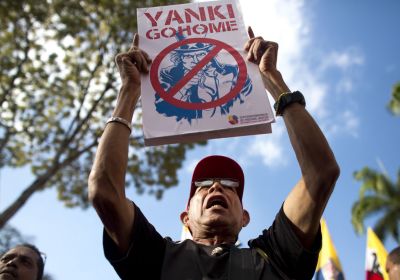
US President Donald Trump told the media on August 10 that he would not “rule out “military options” for dealing with Venezuela. His comments were followed by the imposition of economic sanctions against Venezuela on August 25.
Labeling Venezuelan President Nicolas Maduro as a "dictator", the White House said in a statement that the new sanctions seek to block "a critical source of funding" for the Venezuelan government, which is having to deal with a deep economic crisis.
-
-
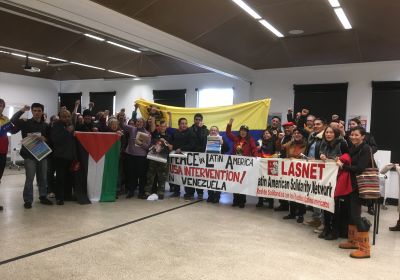
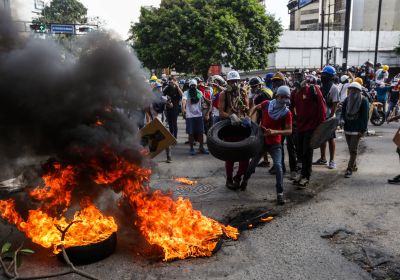
More than 100 people attended public forums discussing the crisis in Venezuela and the need for solidarity with the Bolivarian Revolution against the threat of violent right-wing opposition in Geelong and Melbourne on July 28 and 29.
-

In January last year, Henry Ramos Allup, president of the then newly-installed Venezuelan parliament, hastened to make a demonstration of institutional power. The opposition bloc had obtained a strong victory in the 2015 legislative elections and the veteran political leader of Democratic Action (AD) was probably thinking that Venezuela would soon follow Argentina’s suit and do away with its leftist government.
Latin America & the Caribbean
Latin America & the Caribbean