A US jury ordered oil giant Exxon Mobil to pay US$236 million to the state of New Hampshire on April 9 to clean up groundwater contamination from fuel additive MTBE, the Morning Star said.
Jurors sat through nearly three months of testimony in the longest trial in New Hampshire history. They said Exxon had been negligent in adding MTBE to petrol, saying it was a defective product. They found the company liable for failing to warn distributors and consumers about its contaminating characteristics.
-
-
A second storage pool was leaking highly radioactive water at the crisis-stricken Fukushima Dai-chi nuclear plant on April 7, operator Tepco said. About 120 tonnes of radioactive water breached the inner lining of one underground storage pool on April 5, with concerns that some may have leaked into the soil. Tepco is moving the remaining 13,000 tonnes of water in that tank to other pools, but said the April 7 leak was not large enough to warrant doing the same.
-
The report below is reprinted from Tar Sands Blockade on the oil giant Exxon-Mobil's recent oil spill in Mayflower, Arkansas. The spill of tar sands bitumen has led to the evacuation of dozens of homes in this small community just north of the state capital of Little Rock. Visit the site for up-to-date reports on the spill. * * * As spill estimates are being revised to near 300,000 gallons, we have been hearing very disturbing reports about Exxon’s continued focus on PR damage control rather than actual damage control.
-
After a successful crowd-funding campaign that raised the funds for a manufacturing licence, Earthworker Cooperative Australia and Eureka’s Future Workers Cooperative will install their first solar hot water unit in Melbourne on April 15. A fully equipped worker-owned factory is still a way off, but project coordinator and Socialist Alliance member Dave Kerin says it is now one step closer. -
The Broome community and environmentalists around Australia are celebrating an important victory. Oil and gas producer Woodside Petroleum said it would not go ahead with a gas hub at James Price Point in the Kimberley. Long-time Broome resident Nik Weavers told Green Left Weekly: “We've got rid of the one big thing we set out to do, which was to stop the project, so I feel really excited about that.” Weavers, a member of the Broome No Gas group, said: “I feel really warmed that so many other people have gathered [in Broome] and are feeling really good.” -
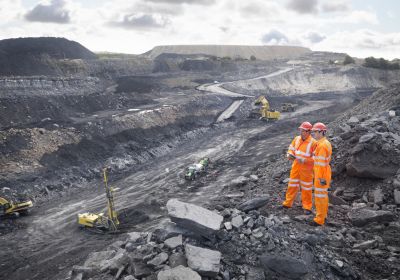
The Australian Greens have called on the federal government to end fossil fuel subsidies for big mining companies. The Greens say costings by the Parliamentary Budget Office show that Labor’s spending on fossil fuel subsidies for mining companies will cost the public more than $13 billion over the next four years. Included in these subsidies are diesel fuel tax rebates, accelerated depreciation on assets and accelerated depreciation on exploration. -
The Coal Terminal Action Group released this statement on April 10. *** Community groups in the Hunter Valley have responded with relief and celebration to the announcement of a two-year delay to Newcastle’s proposed fourth coal terminal (T4). “There will be celebration and relief today in suburbs including Mayfield, Tighes Hill and Carrington where residents already live with particle pollution well above the national standard,” said Coal Terminal Action Group spokesperson Annika Dean. -
At the third national congress of the Left Party (Parti de Gauche) held in Bordeaux from March 22 to 24, France’s newest and fastest-growing socialist group seemed to come of age. Only four years old, the Left Party was born after its leading figure, Jean-Luc Melenchon, long-time leader of left currents in the Socialist Party (SP), abandoned it after the tendencies in the SP opposing neoliberal austerity mustered only 19% support at its 2008 congress. -
About 70 people attended a community forum in Adelaide on March 27 to learn more about plans for unconventional gas extraction in South Australia. -
For anyone who knows the science, it’s settled — fossil fuels need to be banished fast from our energy mix. But how do we achieve it? Can we rely on renewable sources such as wind and solar? Or must humanity turn to nuclear power? That’s a controversy that has bubbled away for years among people who all accept the dangers of global warming. Now, from the energy sector in China, there’s hard new evidence bearing on this debate. The experience in China shows that as a way of quickly replacing greenhouse-polluting fuels, renewable energy wins against nuclear, hands down. -
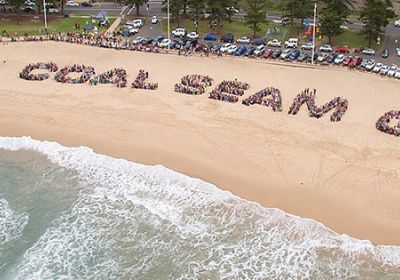
A fortnight after the NSW Liberal government announced policy changes to coal seam gas (CSG) mining in NSW to ban drilling within two kilometres of some residential areas, about 400 local residents met at Springwood Civic Centre on March 24 for the “Coal seam gas — it still stinks” public forum. Speakers explained the continuing threat to the environment, residents’ health and the world heritage values of this area posed by the CSG industry. -
At the most highly contaminated US nuclear site, redundancy notices went out on March 18 to nearly 250 workers. More than 2500 others were notified they faced temporary layoffs of several weeks. About 9000 people work at Washington State's Hanford Nuclear Reservation, which produced plutonium for US nuclear weapons during World War II and the Cold War. Contractors are cleaning up the highly contaminated site and removing millions of gallons of radioactive waste for treatment at a plant now under construction.