

The public’s distrust of the two parties, and the system in general, has become more pronounced over the last five years. But, as Freya Hedley argues, voting One Nation would be like shooting ourselves in the foot.
The public’s distrust of the two parties, and the system in general, has become more pronounced over the last five years. But, as Freya Hedley argues, voting One Nation would be like shooting ourselves in the foot.
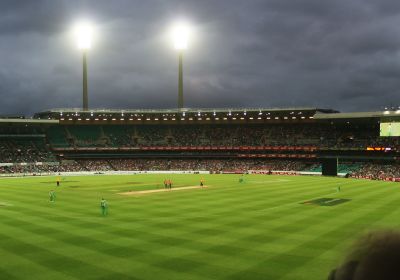
Former NSW Liberal Premier Mike Baird has resigned as chair of Cricket Australia, as opposition grows to his push to privatise the Big Bash League. Jim McIlroy reports.

Labor’s plan to make it harder and more expensive for international students is geared to clawing back some of the vote going to One Nation and the Coalition. Maharnav Bhuyan and Chloe DS report.
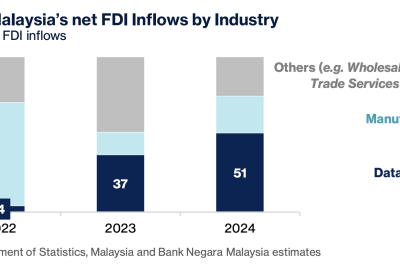
Socialist Party of Malaysia (PSM) deputy secretary-general Gandipan Nantha Gopalan, tells Green Left’s Peter Boyle that given Malaysia's unprecedented Artificial Intelligence (AI) data centre investment boom, the government should publicly release the full balance sheet on jobs, economic development and environmental impacts.
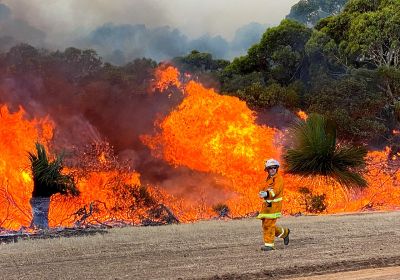
The Prime Minister delivered a sort of homily to the United Nations, saying Australia “understands the dangers of global warming and the urgency of climate action”. But his actions belie his words, argues Pip Hinman.
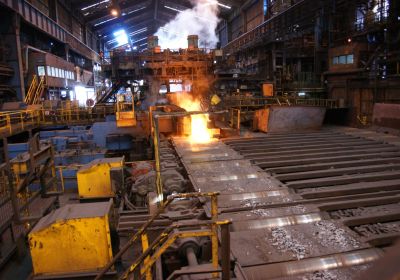
Whyalla Steelworks has produced about three-quarters of Australia’s structural steel and all the steel rails and girders. Renfrey Clarke asks why the state and federal governments aren't working to make it a publicly-owned corporation.

Governments must heed communities’ demands for a moratorium on the construction of artificial intelligence mega data centres, not only because of the resources issue, but because of what they are being used for, says Socialist Alliance. Kerry Smith reports.
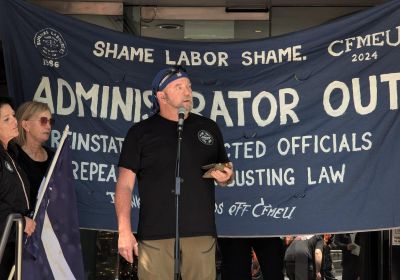
Tim Gooden and Sue Bull, members of the Construction Forestry and Maritime Employees Union in Victoria, described the royal commission into the union set up by Premier Ben Carroll as a “farce”. Jackie Kris reports.
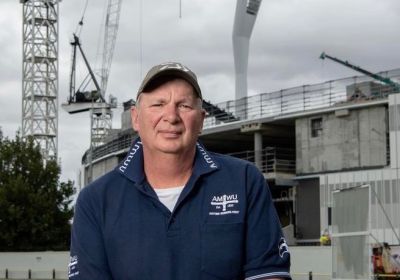
Many workers are now enjoying a four-day work week and a longer weekend every week, due to a campaign run by the Australian Manufacturing Workers’ Union. Tim Gooden reports.

Home affairs minister Tony Burke’s new immigration policy is a boost to Pauline Hanson’s One Nation and its Trumpite politics of hate, racism and division, argues Sue Bolton.
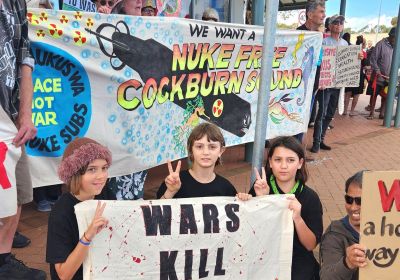
Protesters took to the streets across Australia to protest the Australian government’s controversial embrace of AUKUS and its support for Israel’s ongoing genocide in Gaza. Kerry Smith reports.
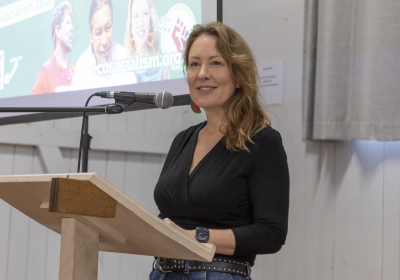
AUKUS is about so much more than submarines. Abigail Boyd argues that its more sinister part is AUKUS Pillar II, which is about warfighting using artificial intelligence, hypersonics and counter-hypersonics and electronic warfare.