
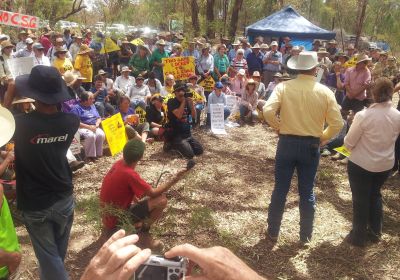
John Fenton is a farmer from Wyoming in the United States who has 24 gas wells on his property. He recently toured Australia to speak about the environmental and health impacts the gas industry has had on his land and community.
John Fenton is a farmer from Wyoming in the United States who has 24 gas wells on his property. He recently toured Australia to speak about the environmental and health impacts the gas industry has had on his land and community.
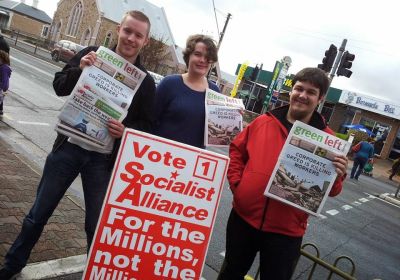
You can tell how good a newspaper is from the enemies it keeps. The Australian wrote a sneering dismissal of the new Saturday Paper, launched last weekend, and used its ultimate insult by comparing the new paper to Green Left Weekly, calling GLW “ignorant, moralistic and simplistic”.

For the past eight months, I worked at a well-known retail chain for a fraction of the cost of other employees. I am 16-years-old and was being paid “youth wages”. I resigned at the end of February, even though I enjoyed working there.
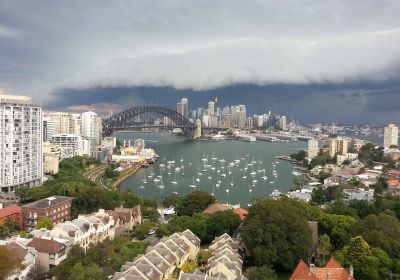
When the CSIRO and the Bureau of Meteorology released their State Of The Climate 2014 report on March 4 it should have made headlines for days, provoked a big parliamentary discussion and a public debate about the emergency action we need to take to address the climate crisis.
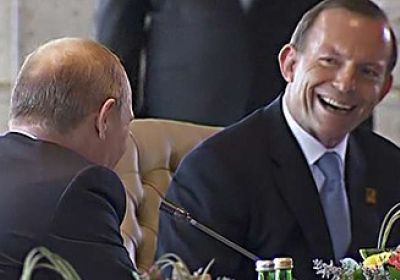
These are dark times for would-be political satirists. We've now got a self-proclaimed “government of adults” headed by Tony Abbott and featuring the likes of Christopher Pyne and Cory Bernardi. These jokes are just impossible to top.
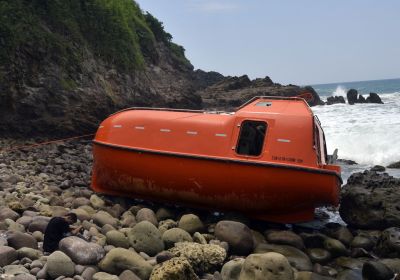
Well the fun just never stops, does it, when it comes to the Abbott government’s asylum seeker policies, or as they call it, “border protection”. Because when it comes to needing protection, fleeing war, torture and genocide is one thing, but won’t someone think of all the poor, downtrodden borders?
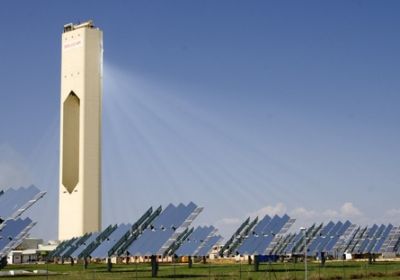
Outside the city of Port Augusta in South Australia, the firm Alinta Energy runs the ageing brown coal-fired Northern power station. Environmentalists and local campaigners want the plant replaced with state-of-the-art solar power generation.

Institutionalised corruption in New South Wales stretches from the Rum Corps of the late 18th century to present-day politicians from the Labor and Liberal parties. The pattern has been consistent: public exposure, followed by the confected outrage of “shocked” politicians that comes with contrite promises of reforms. After a suitable time has elapsed, the cycle repeats.

“You don't want a wimp running border protection,” Prime Minister Tony Abbott said on February 21. “You want someone who is strong, who is decent, and Scott Morrison is both strong and decent.”

Two important things were revealed when immigration minister Scott Morrison was finally forced to admit he had been wrong about most of the facts when one man was killed and at least 70 others were injured on Manus Island on February 16.