-
-
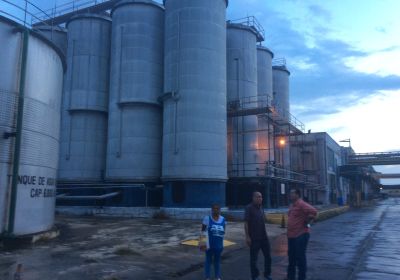
Workers in Venezuela are demonstrating what is possible when workers and communities take over the means of production.
Faced with a company shutdown and mass sacking, workers at the former Brahma beer factory in Barquisimeto, Lara state, occupied the factory in 2013. Today, the company is owned by the community, run by workers and geared towards meeting the need of local farmers and residents.
-
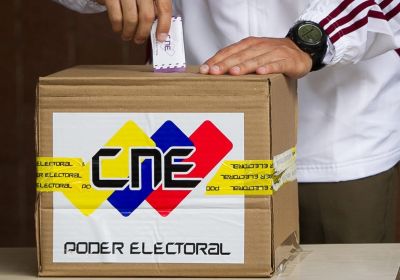
The approval ratings of Venezuelan President Nicolas Maduro rose to 23.2% at the end of September, according to a new poll conducted by private centre-right think tank Datanalisis.
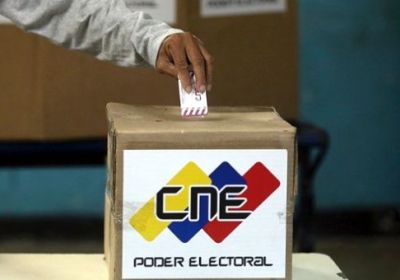
The increase in the head of state’s popularity comes just weeks ahead of regional elections scheduled for October 15, when Venezuelans will choose their state governors for the next four years.
-
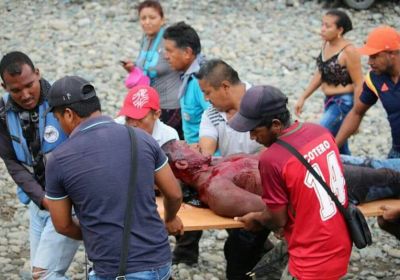
The Colombian National Police massacred between 8 and 16 people, and wounded more than 50, in the municipality of Tumaco, Narino on October 5. The attack was directed against protesting coca growing families demanding the government fulfil its commitments to voluntary eradication programs.
Then, on October 8, the National Police attacked an international team sent to investigate the massacre. The police used tear gas and stun grenades to disperse representatives from the United Nations, the Organization of American States, and a journalist from the Colombian weekly, Semana.
-
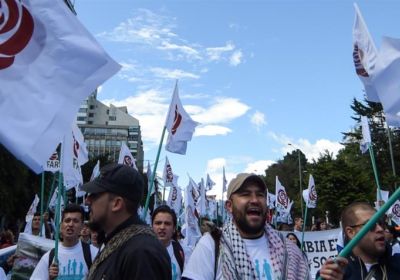
Members of the National Political Council of the Revolutionary Alternative Forces of the Commons (FARC) rejected the threats and violence that have claimed the lives of 25 people since signing peace accords with the government last November.
“Since the signing of the peace agreement, five former combatants, nine militiamen and 11 relatives of members of the FARC have been murdered,” the group said in a statement on October 2.
-
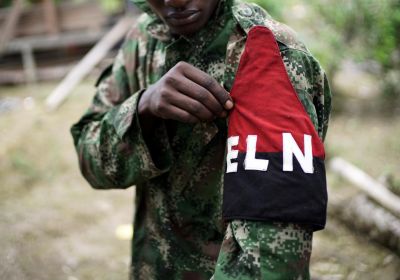
The National Liberation Army (ELN) has announced a temporary and bilateral ceasefire with the Colombian government.
The group said the ceasefire, agreed to in September during peace talks in Quito, Ecuador, will be implemented from October 1 to January 9, 2018.
-
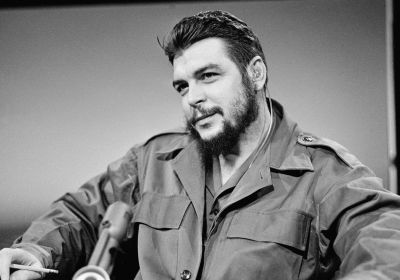
October 9 marks the 50th anniversary of the CIA-ordered assassination of Che Guevara.
In light of a recent upsurge in denunciations of Che and the Cuban Revolution, it is important to separate fact from fiction.
-
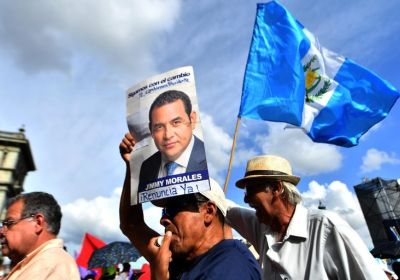
Since September 15, Guatemalans have taken to the streets of the capital, Guatemala City, to demand President Jimmy Morales' resignation.
Morales is being heavily scrutinised for seemingly interfering with a United Nations investigation after he expelled one of the agency's commissioners.
-
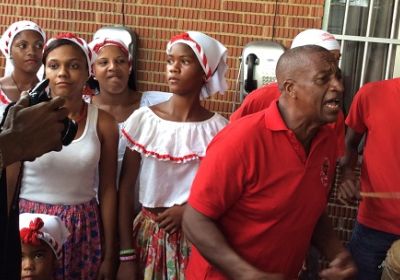
Having spent our first few days in Caracas, we travelled to Higurote, the capital of Brion municipality, in Miranda state, which is part of the coastal region known as Barlovento – a centre of African culture in Venezuela.
-
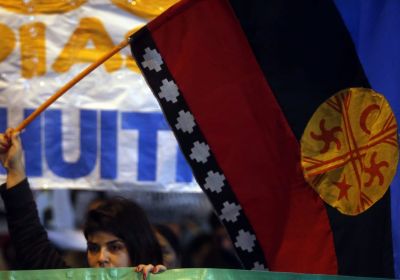
More than 2000 people demonstrated on September 26 in Chile's capital Santiago to support four Mapuche Indigenous community members who have been on hunger strike in prison for 113 days.
The four were charged under a controversial anti-terrorism bill passed during the dictatorship of Augusto Pinochet.
-
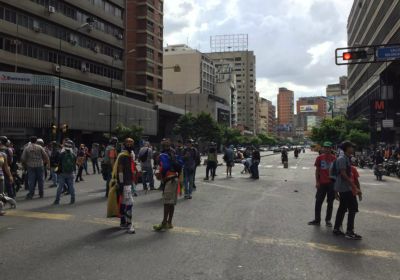
Venezuela’s right-wing opposition announced on September 26 that its representatives would not attend the upcoming round of exploratory talks that were set to be held in the Dominican Republic the following day.
The boycott came one day after a small group of masked opposition militants took to the streets of the wealthy eastern Caracas municipality of Chacao in renewed anti-government roadblocks.
-
Latin America & the Caribbean
Latin America & the Caribbean