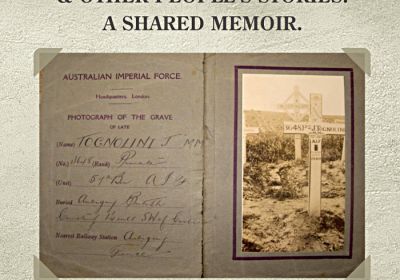
A History Man’s Past & Other People’s Stories: A Shared Memoir. Part One: Other People’s Wars
By John Tognolini
2015, 160 pages
pb $24, ebook $5
Order the book

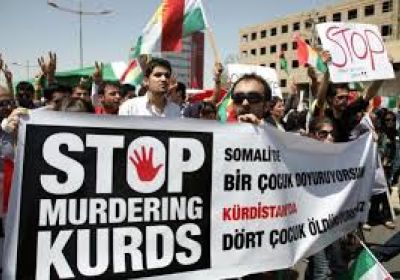
Left-wing members of the European parliament have called on the European Union to pressure the Turkish government to immediately end its attacks against the Kurdish community in northern Kurdistan (southeast Turkey).

British-Tamil musician M.I.A.'s video for her new song "Borders", which expresses solidarity with refugees seeking to flee to safety, has caused controversy. French football team Paris Saint-Germain has requested the video, directed by the artist herself, be taken offline because M.I.A. is seen in the video wearing a modified version of the club's shirt.
 Artillery bombardment of Diyarbakır neighbourhood of Sur. Photo: Jinhahaber.link.
It is freezing cold in Amed, as the city of Diyarbakır is known to its residents. More than 10 centimetres of snow blankets the ground, something that happens only every three or four years. And at exactly this moment, fighting is escalating in Amed's old neighbourhood of Sur and in the cities of Cizre and Silopi, in Şırnak province.
Artillery bombardment of Diyarbakır neighbourhood of Sur. Photo: Jinhahaber.link.
It is freezing cold in Amed, as the city of Diyarbakır is known to its residents. More than 10 centimetres of snow blankets the ground, something that happens only every three or four years. And at exactly this moment, fighting is escalating in Amed's old neighbourhood of Sur and in the cities of Cizre and Silopi, in Şırnak province.
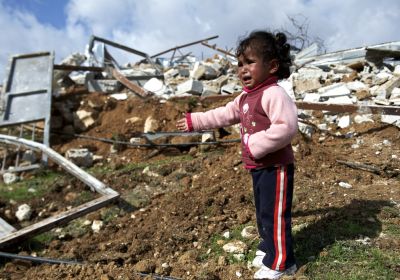
The United Nations has a strict definition of the term "refugee," whereby you are only a refugee if you are fleeing war or persecution of some kind.

In the current world situation — where imperial war and blowback terrorism have fueled a resurgence of racism in West — it is not surprising that Australia's small, far-right, racist Party For Freedom, led by its would-be fuhrer Nick Folkes, has called for a rally to commemorate the racist riot in the Sydney beach suburb of Cronulla ten years ago.