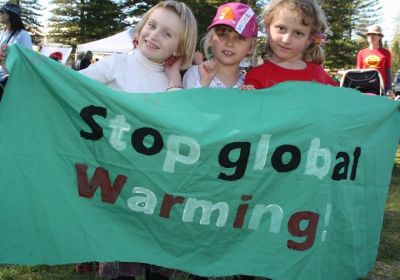
As climate change compels us to reduce carbon emissions, urban gardens that provide locally produced food are becoming an increasingly important model. The African Food Project is an urban, organic farm that grows traditional African vegetables for the African community around the outer western suburb of Blacktown.
-
-
Sand mining on Stradbroke Island, offshore from Brisbane, will be phased out by 2027, under a new plan announced by the Queensland state government on June 20. Most of the island will become national park and development of ecotourism will be the main industry. -
The world’s worst ever oil spill is also the biggest methane leak in human history, US government scientists have said. The US Geological Survey’s “flow team” has estimated between 4.5 billion to 9 billion cubic feet of natural gas have escaped from BP’s Deepwater Horizon rig since it exploded in April, Associated Press said on June 19. John Kessler, an oceanographer at the Texas A&M University, told AP the leak was “the most vigorous methane eruption in modern human history”. Scientists think methane makes up 40% to 70% of what is spilling from the damaged BP rig. -
In July, Socialist Alliance election candidates will be taking a trip to the Northern Territory to personally witness conditions under the federal government's intervention into Aboriginal communities. SA youth candidates — and Resistance members — Jess Moore, Zane Alcorn and Ewan Saunders will join Indigenous activists, students, community groups and campaigners from across the country in Alice Springs for an important gathering of intervention-affected Aboriginal communities.
-
In late June, two important events related to renewable energy took place. On June 24, the Senate passed changes to the government's renewable energy target, removing the bias towards small-scale energy systems that put many wind farm projects on hold. The scheme set a 20% renewable energy target by 2020. -
NASA climate scientist James Hansen has called them “factories of death”. British columnist George Monbiot has said “everything now hinges” on stopping them. US climate writer Bill McKibben is prepared to be arrested to have them shut down. But Australian state governments don’t get it — they are still enchanted by coal-fired power stations. Climate campaigners say Australia should urgently replace existing coal-fired power plants with renewable energy, but 12 new “death factories” are slated to be built in Australia over the next few years. -
The Canadian province of Alberta is well known as a climate-destroying behemoth. The tar sands developments in its north are the single largest source of greenhouse gas emissions on the planet. Less well known are the ambitions of its neighbouring province, British Columbia. It shares similar fossil fuel reserves and ambitions as Alberta. Vast coal and natural gas reserves are being opened at breakneck speed. Construction is underway or planned for accompanying road, rail, pipeline and supertanker transport routes. -
Newly installed Prime Minister Julia Gillard has offered a truce and fresh negotiations with the mining industry over the government's proposed Resources Super Profits Tax (RSPT). Watching the industry's advertising campaign, you'd think the RSPT spelt the end of civilisation as we know it. According to one BHP Billiton ad, the RSPT will mean “fewer projects, jobs and opportunities for our future generations”. The ad's title, above an all-Australian image of young blokes playing footy, reads: “Australia loves to compete, but the Super Tax could take us out of the game.”
-
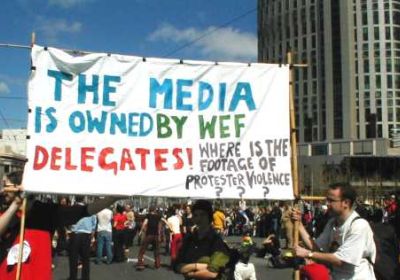
Despite a promise before the last election, the Brumby state Labor government has introduced legislation to extend the urban growth boundary for Melbourne. Planning Amendment VC 67 expands Melbourne’s Urban Growth Boundary to accommodate the 284,000 houses the government expects will be needed if Melbourne’s population reaches 5 million before 2030. About 70 people from the Green Wedge Coalition, Protectors of Public Lands and Planning Backlash protested against these plans on June 22. -
On June 25, federal trade minister Simon Crean signed a deal to export up to 20 million tonnes of dried brown coal to Vietnam. The deal was signed with ironically-named Victorian company Environmental Clean Technologies (ECT). Fifty people protested outside the venue in Southbank where the deal was signed, despite the rain and only a few hours notice of the event. -
Traditional owners of Muckaty Station in the Northern Territory have launched a federal court challenge over a proposed nuclear waste dump on their land. A small group of traditional owners signed a deal for $12 million in exchange for roads, housing and infrastructure, but senior elders from all five of the clan groups for Muckaty maintain that they did not consent to the waste dump proposal. -
British Petroleum (BP) has admitted it may not stop the Deepwater Horizon oil spill in the Gulf of Mexico until August — at the earliest. But despite the catastrophe, the US government’s Minerals Management Service (MMS) has given BP new leases for deepwater drilling. The MMS has rubber-stamped 198 new deepwater drilling leases in the gulf since the BP spill began on April 20. It awarded BP 13 of these.