-
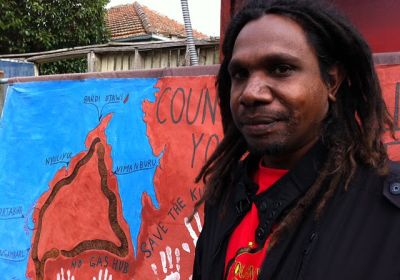
Rodney Augustine is from the Nyulnyu and Jabirrjabirr people. He is a spokesperson for the “Walmadan Country is Calling” group and is a member of the “Keep the Kimberley” group, both based in Melbourne. He will speak at the Climate Change Social Change activist conference in Melbourne, over September 30 to October 3. -
British-based economist, activist and writer Derek Wall is a member of the Green Party of England and Wales and is the author of several books on ecology and politics. Wall will speak via video link at the Climate Change Social Change activist conference in Melbourne over September 30 to October 3. He maintains the ecosocialist blog Another Green World. -
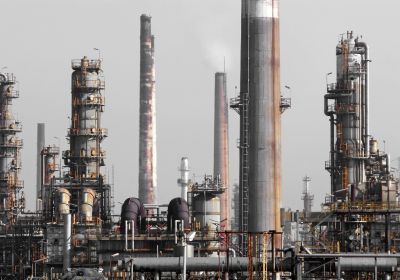
Australia’s media, already saturated with gas and mining company propaganda, are about to be bombarded with more “good news” about coal seam gas (CSG). A campaign called “We want CSG” was launched on September 4. It includes television, radio, newspaper and online advertisements. It is backed by some of Australia’s largest energy companies, including AGL, Santos, and Origin Energy, under the banner of the Australian Petroleum Production and Exploration Association (APPEA).
-
About 160 people gathered at The Gap State High School on September 8 for a community forum on the potential impacts of the coal seam gas industry. Gubbi Gubbi elder Nurdon Serico gave a welcome to country, saying he had seen what mining can do to country and community, and highlighting that this industry will lead to the destruction of sacred Aboriginal sites as well as farming land. -
The decision by leaders of the Sub Central of the Indigenous Territory and National Isiboro Secure Park (TIPNIS), to initiate a 500-kilometre protest march on Bolivia's capital of La Paz capital has ignited much debate about the nature of Bolivia’s first indigenous led-government.
-
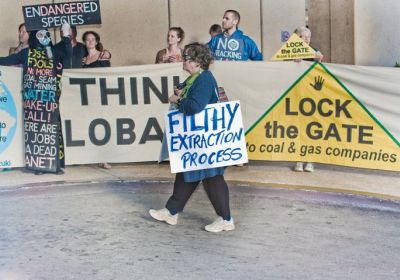
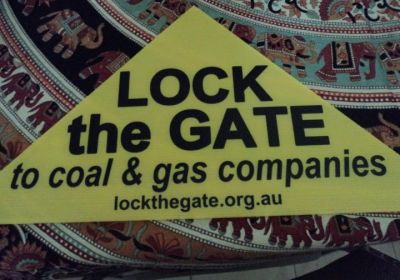
The Lock the Gate Alliance, a national alliance of more than 105 community, industry and environmental groups concerned with the damage caused by coal and coal seam gas mining, released the statement below on September 6. * * * -
An advertising campaign to promote coal seam gas (CSG) in a bid to “balance” the mounting community opposition to the industry has been launched by the Australian Petroleum Production and Exploration Association (APPEA). APPEA have dubbed the effort “We want CSG”, and say it is an “information campaign” designed to focus on “investment, jobs, environmental benefits, and enormous opportunities that this industry generates”. -
Will the host city for the November-December United Nations Climate Change Conference (COP17) clean up its act? The August 23 launch of a major Academy of Science of South Africa (Assaf) report, Towards a Low Carbon City: Focus on Durban, offers a chance to test whether new municipal leaders are climate greenwashers. Will they try to disguise high-carbon economic policies with pleasing rhetoric, as their predecessors did? -
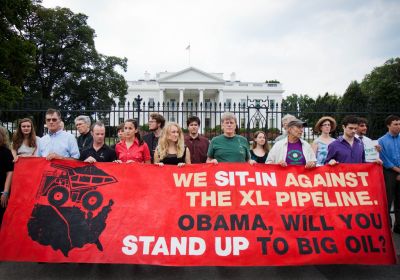
National environmental justice and indigenous rights organisation the Indigenous Environmental Network (IEN) that took part in the largest act of civil disobedience in decades at the White House in Washington DC from August 20 to September 3. The purpose of these actions was to send a direct message to President Barack Obama to deny approval of the 2739 kilometre Keystone XL pipeline. -
The federal government rejected bids to protect James Price Point from gas development when it announced its National Heritage Listing of almost 20 million hectares of the iconic Kimberley region in Western Australia last week. -
The Orica chemicals plant at Kooragang, near Newcastle NSW, released hexavalent chromium (VI) into the atmosphere on August 8. Up to 20 workers were exposed in the accident. The Environmental Protection Authority (EPA) was not notified of the accident for 16 hours. Residents of nearby Stockton were not told that the toxic pollutant blew over their suburb for 54 hours. -
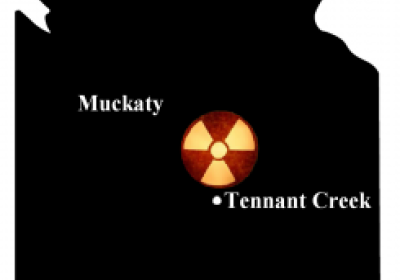
The land around Muckaty Station, 120 kilometres north of Tennant Creek in the Northern Territory, was nominated as a possible site for a nuclear waste dump by the Northern Land Council in May 2007. This was accepted by the federal government in September 2007. Natalie Wasley from the Beyond Nuclear Initiative told Green Left Weekly: “A small group of traditional owners, hoping for cash for their impoverished community and improved services like roads, housing and education, agreed to the dump site. However, many other traditional owners remain opposed to the plan.