-
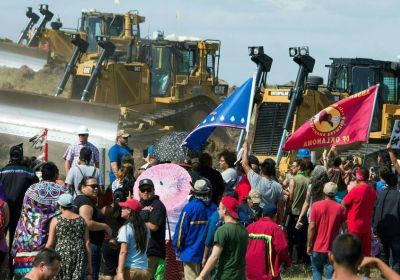
A four-year campaign by local residents has forced agrochemical giant Monsanto to abandon its plans to build one of the world's largest transgenic seed factories in the province of Cordoba, Argentina. The campaign included protests, concerts, blockades and a campsite that had been maintained since 2013. Local activist Vanesa Sarton said of their struggle: "[It] has become an icon of resistance. It demonstrates that people can organize, and even though it had appeared that everything was ready, closed and sealed, these decisions can be overcome. If the people organise, it can happen.” -
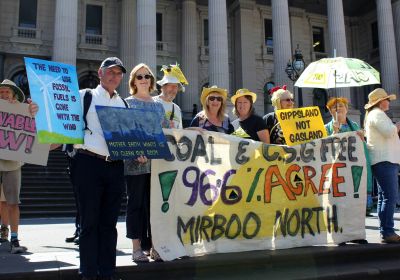
At least 170 people protested against land clearing outside the Queensland parliament on August 17 ahead of a bill which would have required landholders to prove they had not illegally bulldozed their land.
-
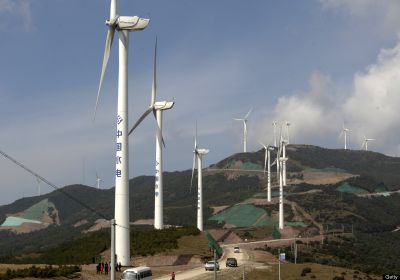
Plans to build a major 375MW hybrid wind and solar plant near Port Augusta in South Australia have won approval from the state government. Project developer DP Energy said in a statement released on August 5 that the green light meant it could now deliver one of the “largest and most significant” hybrid renewables projects in the Southern Hemisphere, including 59 wind turbines and almost 400 hectares of solar PV arrays. The area is renowned for its rich solar and wind resources. -
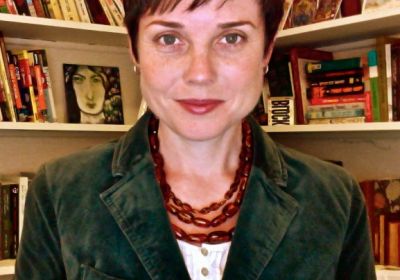
We are living in a time of unparalleled ecological breakdowns and the crisis is much worse than most people realise. There are other books that tell this harrowing story, but Ian Angus's Facing the Anthropocene is different.
-
Canadian mining giant Tahoe Resources came under fire on August 11 for bulldozing human rights in Guatemala. Two groups have filed a complaint in the United States calling for a probe into whether Tahoe executives lied to investors.
-
Australia's largest cities are urban planning disaster zones. Two facts in particular bear this out. First is the ongoing housing affordability crisis, which shows no sign of abating. Second is the relentless march of car-dependent urban sprawl, which continues to devour remnant native vegetation and good farming land. You get an eyeful of this latter problem as you approach Perth by plane, by some accounts the second-biggest metropolis in the world by surface area. -
Korean state-owned miner KEPCO and its contractor Worley Parsons were prosecuted by the NSW Department of Industry's Division of Resources and Energy (DRE) in March, after it was revealed the companies had used fake photographs purporting to be of a Bylong property at which they were seeking permission to drill for coal. The photographs were not of the property, and showed an environment completely unlike the area they were seeking permission to drill in. When DRE was alerted to this by the affected landholder, charges were laid against the companies. -
A United States federal appeals court ruled on August 8 in favour of the oil giant Chevron in a case that dates back more than 20 years. The ruling blocks an Ecuadorean indigenous community from collecting a judgement of nearly US$8.6 billion for environmental damage to the Amazon rainforest.
-
As socialist Labour leader Jeremy Corbyn addresses enthusiastic mass meetings across the country it appears clear — despite attempts by Labour right to sabotage the vote and deny as many Corbyn backers the right to vote as possible — the anti-austerity leader will easily be returned as leader. -
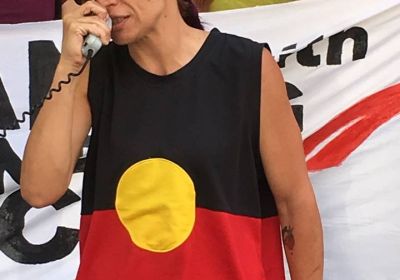
More than 200 people gathered in Sydney's Domain on August 7 to mark the symbolic founding of "New Bulga" behind the NSW State Parliament building.
-
A new climate report released on August 3 by the US National Oceanic and Atmospheric Administration (NOAA) confirms the world is hot and getting hotter.
-
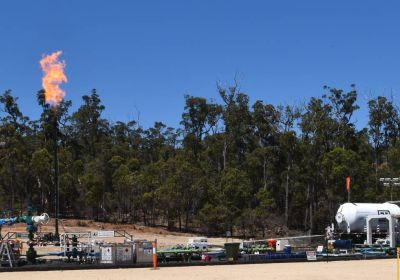
As AGL announced a $400 million loss on August 10, anti-gas protesters assembled outside its headquarters to demand it close its Camden coal seam gas (CSG) project in south-west Sydney.