
We, the undersigned parties and organisations in the Asia region, condemn the moves by the United States government to impose sanctions on Venezuelan citizens it deems to have “abused human rights”.
The US House of Representatives’ May 28 vote for such sanctions is a violation of the right of all nations to sovereignty and self-determination.
-
-
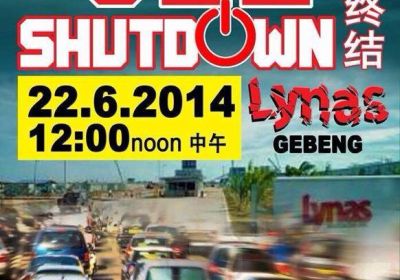 We are currently in Malaysia standing in solidarity with hundreds of thousands of Malaysians who vehemently oppose Australian rare earth miner, Lynas Corporation and their highly toxic and radioactive rare earth refinery plant near this city of 600,000 people.
 -
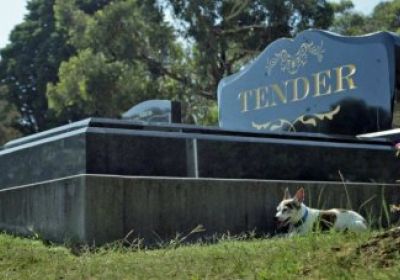 Tender Written & directed by Lynette Wallwarth A new documentary film, Tender, screened at the recent Sydney Film Festival, follows residents of the Wollongong suburb of Port Kembla who are working to start a not-for-profit funeral service in their local community. Recognising the local need for affordable and meaningful funeral services, the Port Kembla Community Centre decided to provide them. The film follows their journey as they gather community support and explore alternatives.
 -
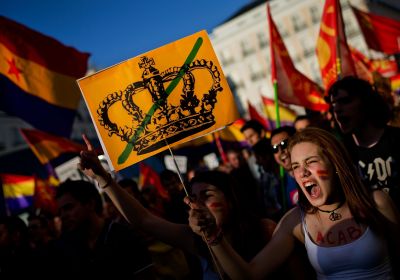 An old truism says that in periods of crisis, politics speeds up. That is being strikingly confirmed in the Spanish state after the June 2 abdication of King Juan Carlos. So too is its corollary ― that institutions that seemed solid and long-lasting suddenly look out-of-date and fragile.
 -
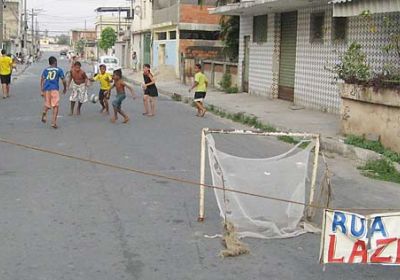 One of the hallmarks of the neoliberal age has been the exponential expansion of commercial spectator sport — in its economic value, political role and cultural presence. All of which is thrown into high relief by the World Cup in Brazil. In recent years, the sporting industry has grown in all regions above the local GDP rate. It is estimated to have generated US$135 billion in direct revenues last year. These revenues derive from gate receipts, corporate sponsorship, media rights and merchandising.
 -
It was obvious from the start that the aims of Thailand's military junta, which seized power last month, were not about a sincere attempt to restore peace between the two opposing sides in Thailand’s political crisis. How could it be when the military were part of those who wanted to pull down the democratic system from the start? The military staged an earlier coup in 2006, wrote a new, less democratic constitution, and appointed half the senate and most of the members of so-called independent bodies.
-
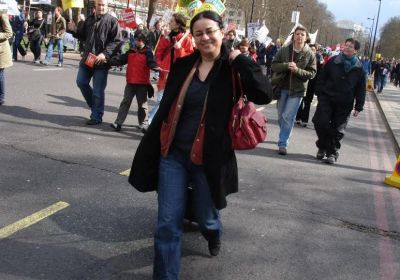 “The Gezi Resistance is the biggest popular uprising in modern Turkish history,” said long-time socialist activist Nuray Sancar. “It smashed the fear we have been living with since the military coup in 1980.” It has now been a year since the Gezi Resistance started with a handful of people protecting trees in Gezi Park in Istanbul's Taksim Square in June last year. Protests spread to 79 cities across Turkey in the next few months.
 -
In a May 19 article on US government spying for The Intercept, Ryan Devereaux, Glenn Greenwald and Laura Poitras publish leaked documents that show the US government may have used the Drug Enforcement Administration (DEA) to aid National Security Agency (NSA) spying on US citizens and non-citizens in foreign countries. The leaked documents refer to “a vibrant two-way information sharing relationship” between the two intelligence agencies, implying that the DEA shares its information with the NSA to aid with non-drug-related spying.
-
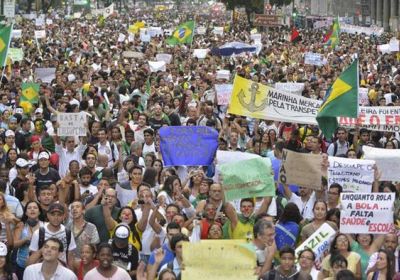 It is understandable that Brazil's President Dilma Rousseff has come out swinging. Given that strikes, land occupations and protests are ripping out across the country in advance of the World Cup; given that a Pew Research Poll found 67% of the country is dissatisfied with her handling of the tournament organising; and given that Rousseff faces an election later this year, she is fed up and ready to play the conspiracy card about the turmoil gripping the country.
 -
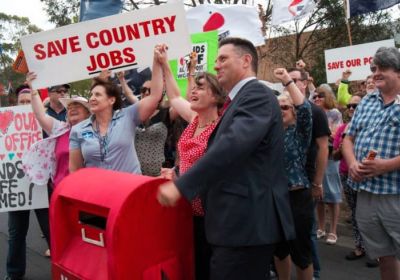 ''This move by Australia Post management to cut 900 jobs is outrageous, coming without any proper consultation with staff and unions,” Joan Doyle, Victorian state secretary of the Communication Workers Union (CWU) told Green Left Weekly on June 10. ''Australia Post CEO Ahmed Fahour is sensationalising supposed losses to attack workers' conditions.
 -
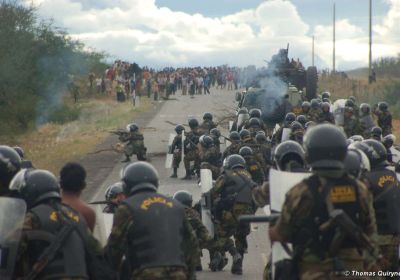 WikiLeaks cables released on June 9 shed new light on the United States' role in the Bagua Massacre in Peru on June 5, 2009. The cables suggest then-US ambassador Michael McKinley may have encouraged the Peruvian government to use force against protesters in an operation that cost 10 protesters and 24 police officers their lives. Indigenous groups in the Amazon had been blockading highways for seven weeks. They were protesting against decrees passed by Peru’s then-president Alan Garcia.
 -
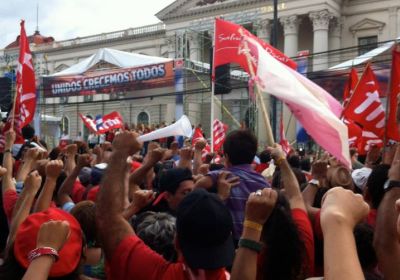 “On June 1, 2014, Salvador Sanchez Ceren, historic leader of the Frente Farabundo Martí para la Liberacion Nacional (FMLN), was inaugurated as President of El Salvador,” CISPES.org said on June 3.