
"Daddy, I'm coming for you. This struggle is for you," said Jesús Plácido Domingo's daughter on Monday at the 30th anniversary meeting of the National Indigenous Congress (CNI). She looked to be perhaps six years old, and held a picture of her father, an imprisoned Indigenous activist.
Plácido was detained in July by the Mexican Army. A member of the CNI and the regional coordinator of the Indigenous and Popular Council of Guerrero-Emiliano Zapata (CIPOG-EZ), he was playing a leading role in defending Indigenous communities from organised crime and Guerrero state from environmental destruction.
Various national and international human rights organisations have criticised the arrest, and note a pattern of criminalising activists and Indigenous community leaders — particularly those that defend water rights and stand up to mining companies and other environmentally destructive corporations, and to organised crime.
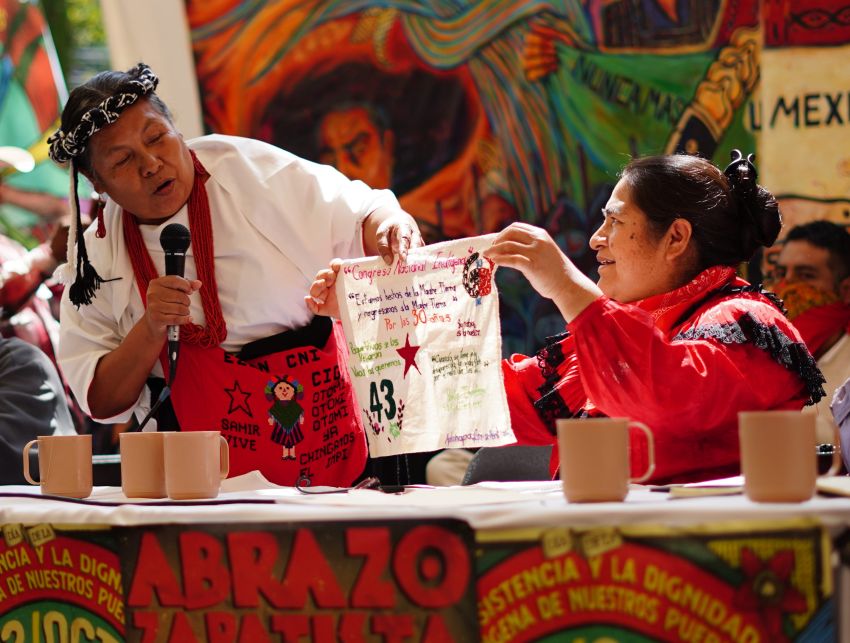
On October 12, the CNI marked 534 years since the Spanish invasion of the Americas began, and 30 years since their organisation was founded. They held a three-day conference in Mexico City, with delegates from Indigenous communities around the country participating in discussions until midnight.
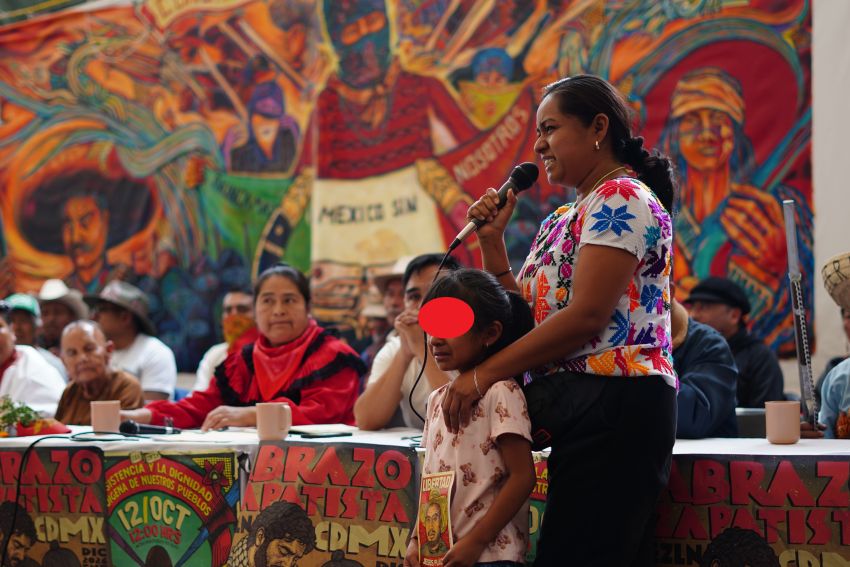
Allied organisations, including small farmers, human rights groups, Guatemalan migrants, environmental groups, urban and rural communities, women, community and alternative radio and media outlets, and parents of the forcibly disappeared also met and held separate discussions about how to support and strengthen Indigenous rights and resistance.
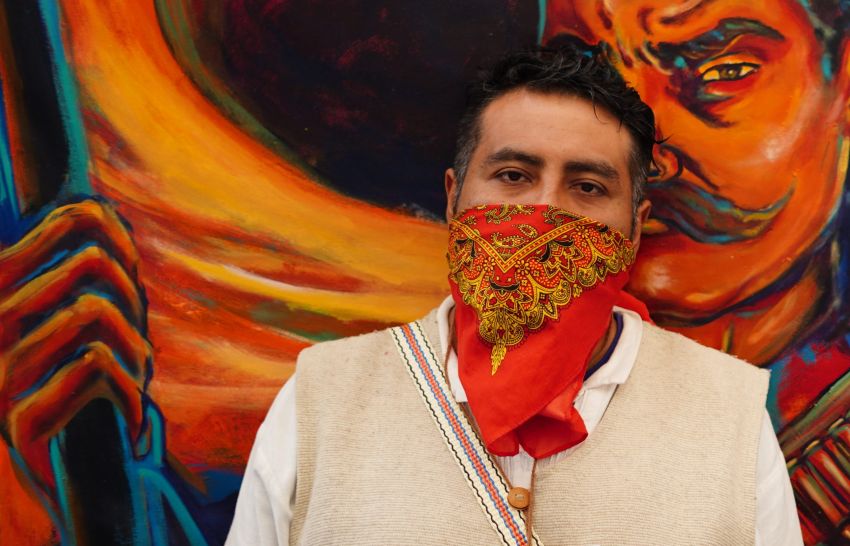
"It's important that we organise like this so that we aren't alone as Indigenous peoples and communities. The CNI is a space where we can all go to hug each other, support each other and our struggles," Tlaxco, a CNI delegate from Milpa Alta, told Green Left.
The CNI brings together peoples and tribes, including Maya, Purépecha, Mazateco, Wixárika, Yaqui, Náyeri, Nahua and at least 30 others, as well as Afro-Mexicans and Mestizo people. It practises full autonomy and strives for recognition and the rebuilding of Indigenous communities following the "permanent process of conquest that has destroyed, mutilated, fragmented, and exterminated us".
The CNI was created during forums called by the Zapatista Army of National Liberation (EZLN), in October 1996, following the San Andrés Accords between the EZLN and the Mexican government earlier that year. The agreements included ending marginalisation, recognition of Indigenous autonomy and self-determination, as well as Indigenous health, education and justice systems.
However, in 2001, following pressure by capitalists and corporate leaders, the accords were "betrayed" and wound back, says the CNI. Since then, the CNI says it practises such rights, whether the state recognises them or not.
Coming out of the conference, the CNI announced that it had adopted "important agreements to strengthen and renew the CNI, its assembly, and its work and coordination structures". It also demanded an end to the war on Palestine, that political prisoners be released, and justice for those activists that have been murdered.
The CNI stressed that original peoples, through their own assemblies and structures, are the only ones that can call and hold consultative processes, in light of the Mexican government's attempt to pass an Indigenous rights law, through "consultations" that it organises.
Thousands of CNI members and supporters also protested on October 12, shutting down three key highways around the country in rejection of the law, which they say is being "imposed" without regard for traditional authorities and general assemblies held by Indigenous communities. The proposed law comes within a history of Mexican governments imposing outside structures like mayors, municipalities and governors in order to "plunder" regions of their minerals and natural resources.
"It's important that our assemblies and the decisions we make be respected," said Tlaxco.
In Mexico, some 39 million people identify as Indigenous. They frequently experience racism, as well as institutional discrimination against their languages — especially in health and education systems. They are often at the forefront of defending their land from environmental destruction, and as a result disproportionately face human rights attacks, criminalisation, murder and forced displacement. Further, most crimes go unpunished, with systemic impunity favouring organised crime as well as any corporations or politicians involved.
"It is a mandate from our ancestors to care for our territory and the life within it. So, it is through our work and our way of life that we protect that part of the world," said Tlaxco. His region of Milpa Alta is one of the most important ecological areas in Mexico City, with pine and oyamel fir (abies religiosa) forests capturing carbon and recharging the aquifers of the Valley of Mexico. Various Nahua communities also cultivate nopal cactus, corn and amaranth there.
"We have to defend life, and we know that can be done, because we have our past experiences. In my region, we spent 10 years opposing logging, and to an extent we have stopped it, using our organisation and our struggle, and through mutual support within the community," Tlaxco said.