

Climate and Capitalism editor Ian Angus presents seven new books for understanding and changing the world.
Climate and Capitalism editor Ian Angus presents seven new books for understanding and changing the world.
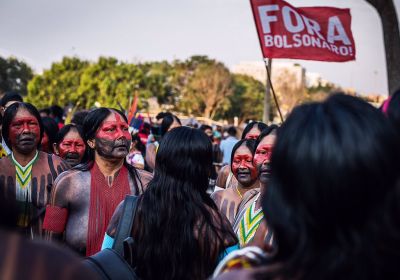
Brazil’s Supreme Court reserved its judgment on a historic case winding back Indigenous land rights, known as marco temporal (timeframe), on September 15, reports Davi Bertges.

Climate action has never been a priority for Scott Morrison. He'd rather conspire with imperialist powers against China than face the music at COP26. Markela Panegyres reports.
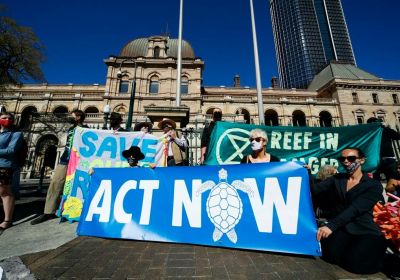
Scott Morrison's prehistoric approach to climate change may not have been clocked by US House Speaker Nancy Pelosi, but will the advertising man get away with it? Binoy Kampmark reports.
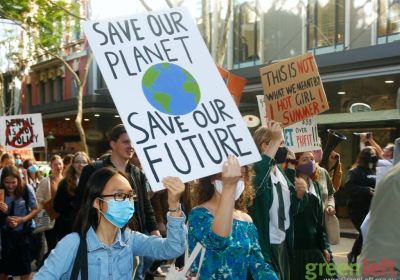
Eight Torres Strait Islander elders are taking the federal government to the United Nations Human Rights Committee over its inaction on climate change. Coral Wynter reports.
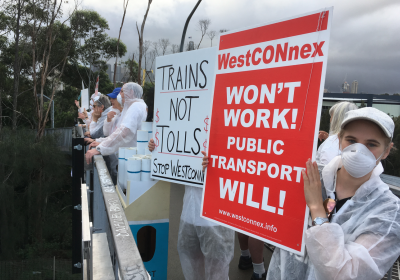
Critics say the sale of the final 49% of the WestConnex tollway to a Transurban-led consortium is just another multi-billion-dollar public subsidy to big business. Peter Boyle reports.
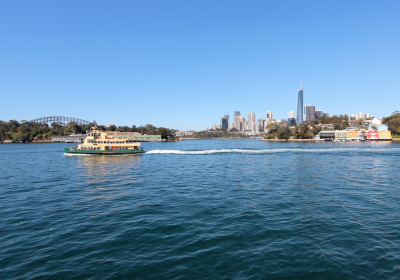
Opposition is growing to the New South Wales government's proposal for the Western Harbour Tunnel to go through one of Australia's most toxic sedimentary deposits. Peter Boyle reports.

Green Left speaks with Camille Barbagallo from the COP 26 Coalition in Britain.

Scott Morrison is still clinging to a weak emission reduction target of 26–28%, set six years ago. At the current rate, we won't reach net zero climate pollution until 2170, argues Jessie de Waal.

A new anti-war, anti-nuclear coalition organised a well-attended protest against the federal government's decision to build nuclear submarines and join the new AUKUS pact, reports Renfrey Clarke.

Almond plantations are guzzling so much water from the Murray Darling Basin that even the Almond Board of Australia wants new orchards to be put on hold until the water supply can be assured. Daniel Pedersen reports.
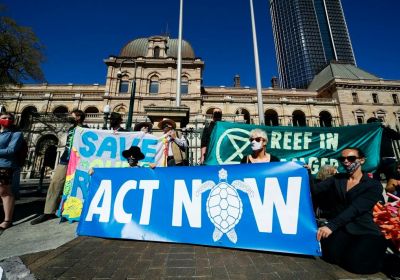
Extinction Rebellion organised a snap action to call on governments to recognise that the reef is beyond being 'in danger'. Alex Bainbridge reports.