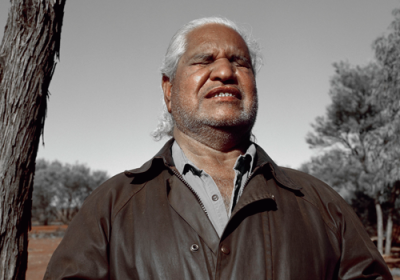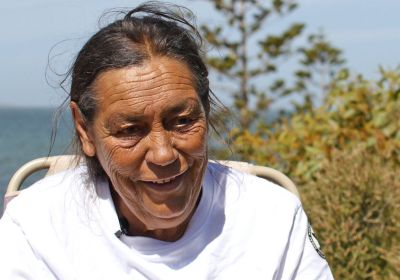
Markela Panegyres spoke to Aunty Sue Coleman-Haseldine, a senior Googatha elder and anti-nuclear activist, who is leading a campaign against rocket and weapons testing on sacred Googatha Country.
Markela Panegyres spoke to Aunty Sue Coleman-Haseldine, a senior Googatha elder and anti-nuclear activist, who is leading a campaign against rocket and weapons testing on sacred Googatha Country.
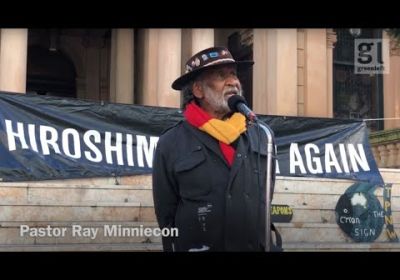
Respected First Nations activist Reverend Ray Minniecon believes the people of Maralinga should be remembered alongside the victims of the 1945 nuclear bombing of Hiroshima and Nagasaki. Video by Peter Boyle.

The world recently commemorated the anniversaries of the dropping of nuclear weapons on the people of the Japanese cities of Hiroshima (August 6) and Nagasaki (August 9) in 1945. But it hasn't been a good few weeks for world peace.

As the British government is set to celebrate 50 years of Trident, Scottish-based anti-nuclear activist Linda Pearson argues they should instead apologise for the impact of British nuclear weapons testing on Aboriginal communities and halt plans to transfer nuclear waste from the Dounreay nuclear power plant to Australia.