
First Nations leaders say the Northern Territory Country Liberal Party government’s punitive school attendance policy is a “direct attack” on Aboriginal rights.
The NT CLP announced on July 13 how many families it had financially punished so far this year for school non-attendance. The Department of Education and Training’s School Attendance team said it had “issued 1155 compliance notices, 269 fines, and made 155 referrals for income management, of which the Commonwealth has accepted 98”.
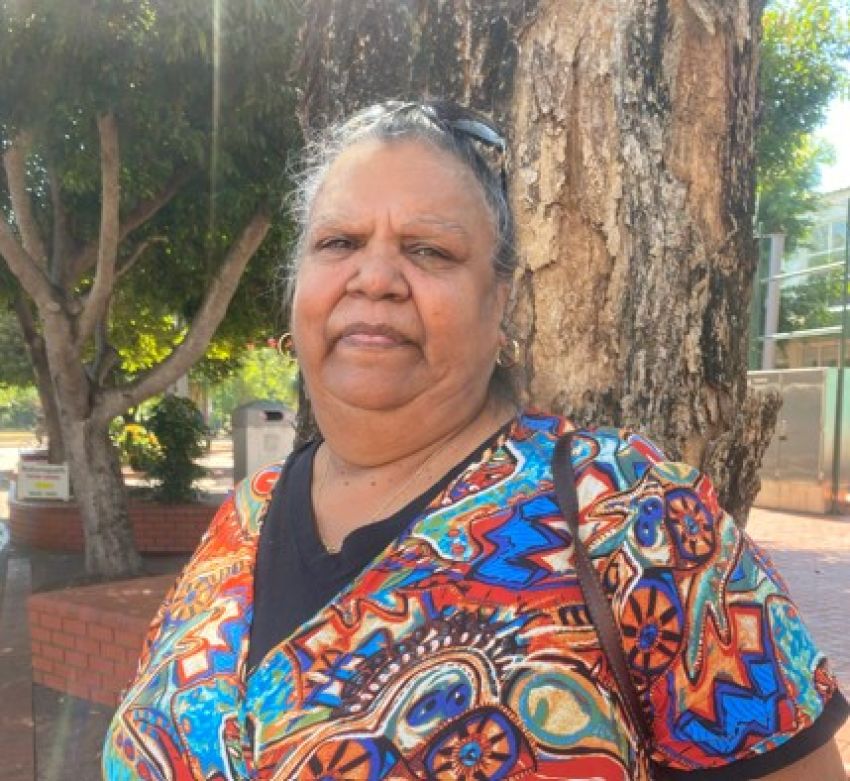
“We need to support families. If there is racism at school or bullying and the child doesn’t want to be there, families shouldn’t be punished for that,” Alyawarre-Waka Waka woman and Grandmother Against Removals Junella Scott told Green Left.
“Fining parents is not good, because that’s money that could go towards food or other living expenses. The kids are going to be more under-privileged financially under this policy. That’s just wrong. Income management also doesn’t address what might be going on at school or at home.”
The CLP government’s punitive law-reform agenda overwhelmingly impacts First Nations people. Harsh changes to sentencing and bail laws last year has led to a record high incarceration rate.
It has spent more than $20 million on “education policies” that include deploying truancy officers to monitor families and their children. These officers are empowered to fine parents for their children not going to school and to refer families on Centrelink payments for income management under Commonwealth law.
Income management was first introduced under the 2007 Northern Territory Emergency Response (NTER). First Nations people have consistently eferred to the NTER as a racist intervention that has disempowered communities and entrenched trauma, poverty and criminalisation.
With families facing fines of up to $370 for school non-attendance, the NT government’s policy adds to households’ financial burden.
Although the NT government claims that school attendance statistics are improving, a punitive response is unlikely to succeed in the long-term, because it does not address the factors that contribute to children feeling disengaged from school.
The Office of the NT Children’s Commissioner’s 2024 report on racism found that 31% of children identified school as the primary site where they experienced or observed racism. Children gave examples of attitudes they had come across in school, including: “Kids saying Aboriginal kids can’t be academic”.
The NT government’s own data shows attendance rates for First Nations students have fallen faster than for their non-First Nations peers; it fell from 71% in 2015 to 57% this year.
Children and young people told the NT Children’s Commissioner’s team in 2024 that teachers should be trained to deal with the harmful impacts of racism in school.
If the CLP’s child removal bill passes in late July, school non-attendance will become an “event of concern”, which means non-compliant families will be pushed along the path towards their child eventually being removed.
The NT Children’s Commissioner has since resigned, after the government refused to consult her about any of its proposed “reforms” affecting children.