
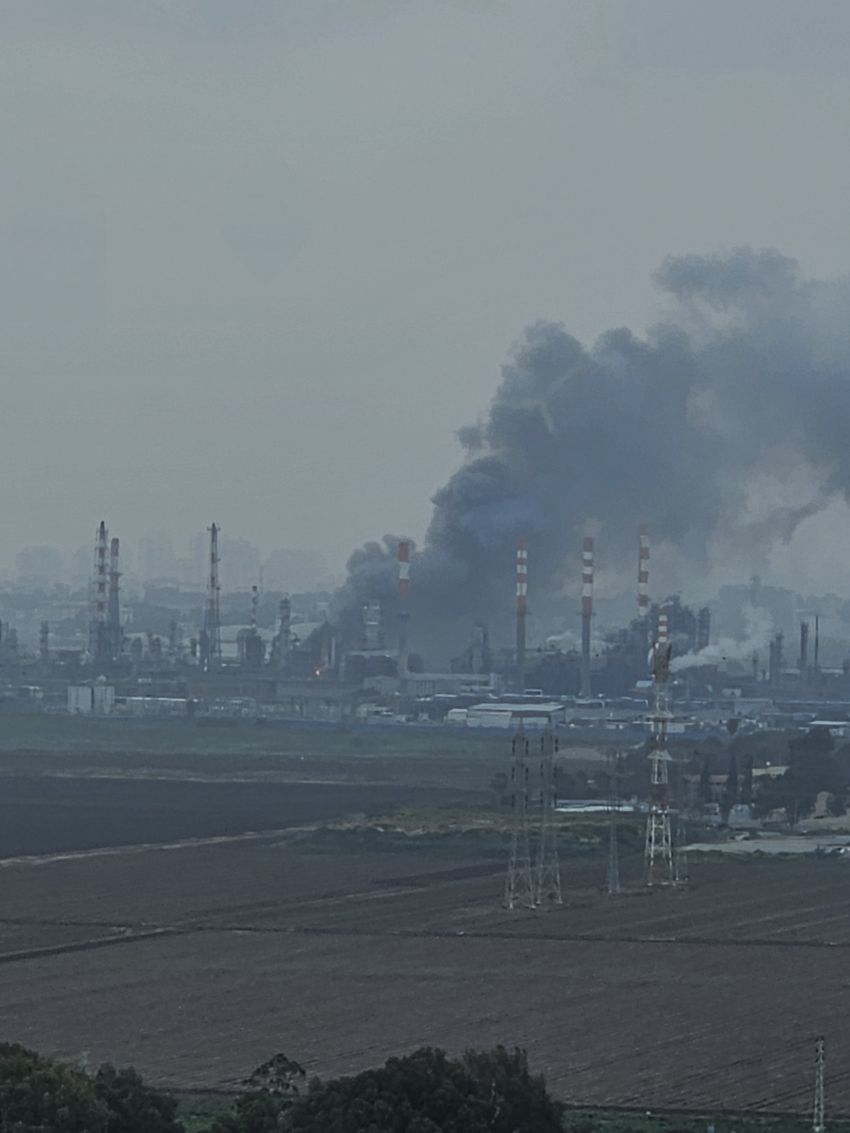
The United States and Israel’s illegal war on Iran and Lebanon, apart from causing the widespread death and displacement of innocent people, is having knock-on effects for working people across the world.
The war reduced shipping traffic through the Strait of Hormuz — a narrow waterway between Iran and Oman that carries about a fifth of the world’s oil and gas — by about 95% since February 28.
This is driving up petrol, energy and fertiliser prices across the world.
Petrol prices are soaring at a time when Australians are already struggling with exorbitant housing and cost-of-living expenses. Meanwhile, fossil fuel companies are expected to make windfall profits, as they have during Russia’s war on Ukraine that also affected global supply.
Prime Minister Anthony Albanese enthusiastically supported the US and Israel’s illegal war, providing military assistance to help bomb innocent people. This makes the government directly complicit in murder and the economic hit on working people.
However, the government refuses to implement immediate measures to ease the cost of living. Instead, Albanese has warned us to prepare for “economic aftershocks”.
The war has also highlighted Australia’s energy dependence on importing fossil fuels when benign options abound. Australia’s stockpile of petrol can last about 36 days; it is expected to reach a critical level at the end of April when Asian suppliers’ inventories are exhausted.
The World Meteorological Organization’s State of the Global Climate 2025, released on March 23, found that global dependence on fossil fuels was the key driver of the climate catastrophe. The past 11 years have been the hottest on record, nearly reaching 1.5°C of warming above the pre-industrial average.
This report makes an irrefutable case to break from fossil fuels and implement a large-scale renewables transition. The energy crisis stemming from the illegal Iran war adds urgency.
Australia could take inspiration from Cuba which, in response to the cruel US blockade of oil shipments, has expanded its solar power from 5.8% to more than 20% of total generation in just 12 months.
This country has an abundance of sun and wind and, with its significantly sized economy, could undertake an urgent transition to renewable energy, if not for politicians being wedded to maintaining the fossil fuel industry.
Renewables are cheaper than fossil fuels. Even with massive public subsidies for coal and gas, solar and onshore wind are, on average, 41% and 53% cheaper respectively than the lowest-cost fossil fuel alternatives in 2024.
About 91% of new renewables projects are also cheaper than fossil fuel equivalents, according to an International Renewable Energy Agency report last year.
The renewables transition must be accompanied by a massive expansion of public transport in cities and regional areas across the continent. It would be a cost-effective way to transport people and goods while reducing greenhouse gas emissions, given that the transport sector is the country’s third-biggest emitter.
The Albanese government’s Gadigal/Sydney to Muloobinba/Newcastle high-speed rail project, announced in February, should be scaled up to become an east coast line, linking Naarm/Melbourne to Magan-djin/Brisbane.
In the meantime, public transport should be upgraded and made free to lower transport emissions and help people’s budgets.
High-speed rail and free public transport would represent a significant cost, but a mild tax rise for people with more than $5 million would cover it. A 2% wealth tax, the reintroduction of an inheritance tax and scrapping the capital gains tax discount would raise an extra $70 billion in public funds a year.
Introducing a 50% tax on gas exporters — which currently pay less tax than people do on beer and HECS student debt repayments — would raise about $34 billion each year. These gas exporters made almost $100 billion in windfall profits between 2022–24, while paying barely any tax.
For more than three decades, Green Left has been championing the need for a renewables transition, paid for by those most responsible for causing climate change — rich fossil fuel companies and governments beholden to them.
We don’t accept oil-soaked corporate donations or advertising, which means we rely on people power to survive. Please consider becoming a supporter for as little as $5 a month and donating to our 2026 Fighting Fund.