
Supporters of the Labour party's new leader Jeremy Corbyn celebrated across Britain on September 12, as the socialist and outspoken activist vowed to put the country on a new course.
-
-
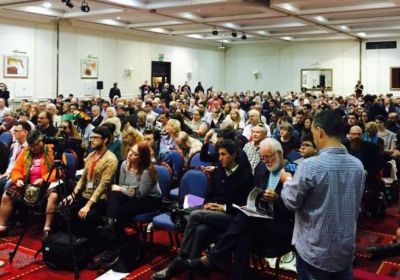
Hundreds of people crammed into the Marriott Hotel in Glasgow on August 29 for the launch of RISE – Scotland’s Left Alliance. The new coalition of the left will stand candidates in all eight regional seats in the 2016 Scottish elections.
-
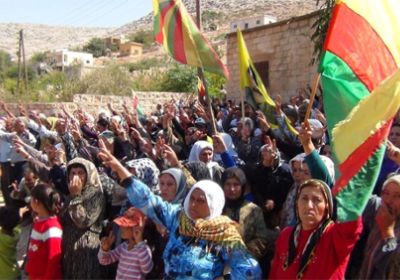 Rojava, the Kurdish-majority liberated zone in northern Syria, is the location of a unique experiment in grassroots, participatory democracy. It is undergoing a profound social revolution that emphasises social and economic equality, ecology, religious tolerance, ethnic inclusion, collectivity combined with individual freedom and, most obviously, feminism.
 -
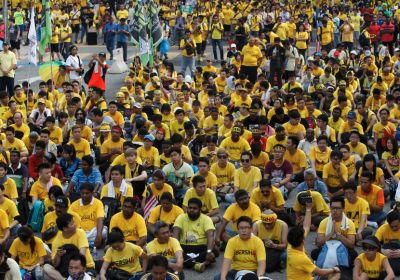
Malaysian democracy activists estimate that between 300,000 and half a million people peacefully took to the streets of the capital Kuala Lumpur for 34 hours from August 29 to 30. This is much larger than the previous mobilisations by the BERSIH (literally meaning “clean”) movement for free and fair elections.
-
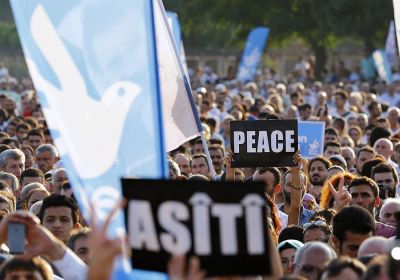 A broad campaign by the left-wing Kurdish-led People's Democratic Party (HDP) won a breakthrough 13.12% and denied President Recep Tayyip Erdogan's Justice and Development Party (AKP) a majority in parliament in the June 7 elections. The HDP's success combined with the ongoing example of the progressive Kurdish-led Rojavan revolution across the border in northern Syria has prompted Erdogan's regime to push a strategy of war and conflict against Turkey's long-oppressed Kurdish population.
 -
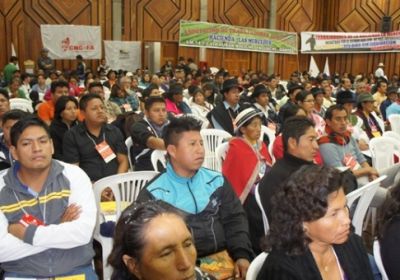
More than 6000 people and 500 group have participated in public meetings on a proposed land law with the government of President Rafael Correa.
-
 Marines join protesting German workers in Berlin during the November 1918 revolution.
The German Left & the Weimar Republic
By Ben Fowkes
Haymarket Books, 2015
399 pages, US$28.
Socialist historian Ben Fowkes has given us a unique and vivid text documentary of the German workers’ movement during the tumultuous years of its greatest influence — from November 1918 to its defeat by Nazism 15 years later.
Marines join protesting German workers in Berlin during the November 1918 revolution.
The German Left & the Weimar Republic
By Ben Fowkes
Haymarket Books, 2015
399 pages, US$28.
Socialist historian Ben Fowkes has given us a unique and vivid text documentary of the German workers’ movement during the tumultuous years of its greatest influence — from November 1918 to its defeat by Nazism 15 years later.
-
 When it comes to elections in Venezuela, there are at least three things you can usually count on. The upcoming December 6 elections for the National Assembly are no different — even if the result is far from certain. The first is that much is at stake. In a country where the poor majority has sought to advance radical change through popular mobilisations and votes, every election since Hugo Chavez’s successful 1998 bid for president has been transformed into a referendum on the future of the country’s “Bolivarian revolution”.
 -
 Fidel Castro, the historic leader of the Cuban Revolution, used the occasion of his 89th birthday on August 13 to pen a statement demanding US compensation for damages caused to the Caribbean island for its decades-long blockade. Reflecting on history, Castro wrote: “We will never stop fighting for peace and the wellbeing of all human beings.
 -
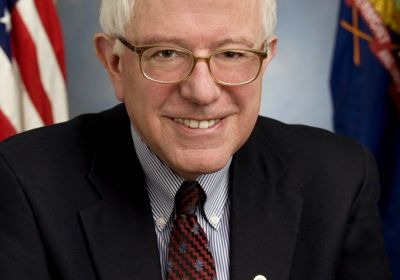 Vermont Senator Bernie Sanders’ campaign to become the Democratic Party’s presidential candidate for next year's race has broken into the mainstream. Pitching left, Sanders consistently draws far larger crowds to hear him speak than any other aspirant in either the Democratic or Republican parties. Polls show his support is climbing, and in one state, New Hampshire, he has moved ahead of the Democratic front-runner, Hillary Clinton. He may win some states in the Democratic primaries.
 -
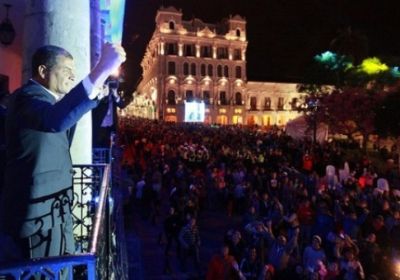 Ecuadorian President Rafael Correa and social movements behind Ecuador’s “Citizens' Revolution” are engaged in yet another battle against the South American country's entrenched elites. Supporters of Correa marched through the capital of Quito on August 12 to the presidential palace, where they intend to maintain a permanent presence to help defend the elected government. The next day, violent opposition protests led to 86 police officers being injured, the interior ministry said, along with 20 civilians and three members of the press.
 -
 CONALCAM brings Bolivia’s main indigenous and popular organisations together with state representatives to coordinate and debate economic policies.
The small Andean nation of Bolivia has received praise from many quarters due to the economic transformation it has undergone over the past decade.
CONALCAM brings Bolivia’s main indigenous and popular organisations together with state representatives to coordinate and debate economic policies.
The small Andean nation of Bolivia has received praise from many quarters due to the economic transformation it has undergone over the past decade.