-
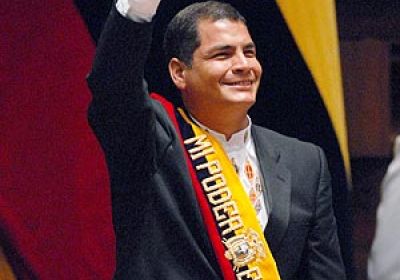
Ecuador: Correa says Latin American left faces 'new Cold War' Ecuadorian President Rafael Correa said on August 5 that left-wing governments in Latin America are facing “a new Cold War” that seeks to “annihilate them” through strategies of political destabilisation. The statements of the socialist leader come as opposition groups, including many from the far right, are planning a new series of protests against his government. -
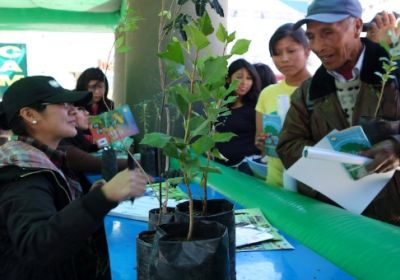
CONALCAM brings Bolivia’s main indigenous and popular organisations together with state representatives to coordinate and debate economic policies.
The small Andean nation of Bolivia has received praise from many quarters due to the economic transformation it has undergone over the past decade.
-
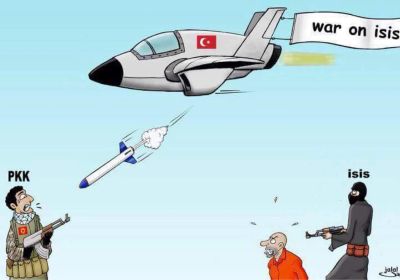
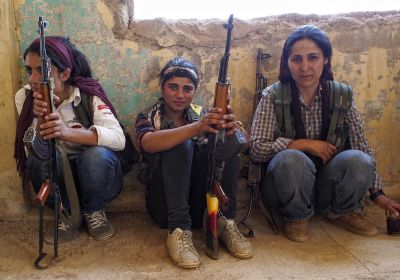
The July 23 deal between the US and Turkey — which gives the US access to Turkey's Incirlik airbase and officially brings Turkey into the US-led “war on ISIS” — makes one thing clear. For Turkish President Recep Tayyip Erdogan and his ruling Justice and Development Party (AKP), the real enemy is not the terrorist group calling itself the Islamic State — more commonly known as the Islamic State of Iraq and Syria (ISIS). It is the Kurdish freedom movement and the Turkish left. -
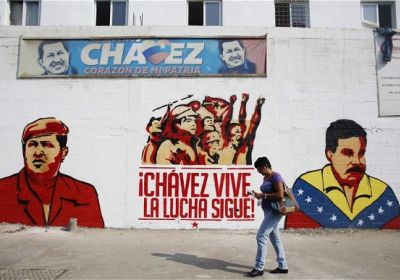
Had Hugo Chavez not passed away in 2013, the former Venezuelan president and revolutionary socialist would have turned 61 on July 28. However, though Chavez is gone, his indelible imprint on Venezuela’s political landscape endures.
-
Turkish police repress protests against Erdogan's renewed war.
The outcome of Turkey’s June 7 parliamentary elections promised so much.
-
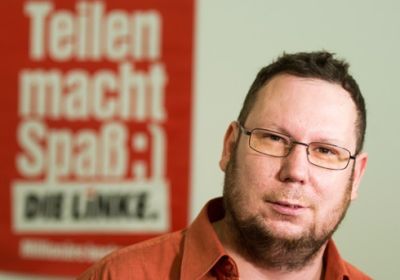
Just after midnight on July 27, a bomb exploded in the car of left-wing politician and refugee activist Michael Richter in the town of Freital on the outskirts of Dresden in eastern Germany. Richter, a 39-year old town councillor for the socialist party Die Linke (The Left) was not in the car. No one was harmed by the blast, which also damaged a nearby car. Police are yet to assign blame, but Richter is certain the attack came from right-wing groups in the area, who have threatened him repeatedly in recent months over his campaigning work for refugees. -
Turkey has “joined the war against ISIS”, according to US politicians and the corporate media after a July 23 deal between the US and the Turkish government. The deal gives US war planes and drones access to Turkey's Incirlik airbase from which to conduct air strikes in Syria and Iraq.
-
British politics is being shaken up by the shock rise of veteran socialist Jeremy Corbyn to take the lead in the British Labour Party leadership contest, running on a platform against austerity and for pro-people measures such as renationalising privatised industries. The ballot for Labour leader closes in September.
-
When Bolivian President Evo Morales announced in May that his government was allowing oil and gas drilling in national parks, mainstream and progressive media outlets alike were quick to condemn his supposed hypocrisy on environmental issues. Writing for the Associated Press, Frank Bajak argued that although Morales is known internationally for his outspoken campaigning on climate change, at home he faces constant criticism from conservationists “who say he puts extraction ahead of clean water and forests”. -
Internationally renowned US intellectual Noam Chomsky told Mexican newspaper La Jornada on July 20 that it was because Washington was becoming increasingly isolated from “their own backyard” of Latin America, that the US decided to normalise relations with Cuba. Chomsky said the fourth Summit of the Americas of 2012 in Colombia was a major turning point for the US. It saw itself, along with Canada, completely marginalised from all the crucial issues being debated — including Cuba. -
Protests took place in 14 cities in Germany on July 16 against the German government’s aggressive treatment of the Greek crisis and in solidarity with their European Mediterranean neighbours.
-
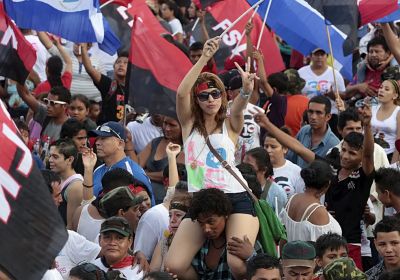
Showers off Lake Xolotlan sprinkled the huge crowds massed on July 19 for the 36th anniversary of the triumph of Nicaragua's popular revolution over the murderous tyranny of the Anastasio Somoza dictatorship in 1979. The revolution was led by the Sandinista National Liberation Front (FSLN).