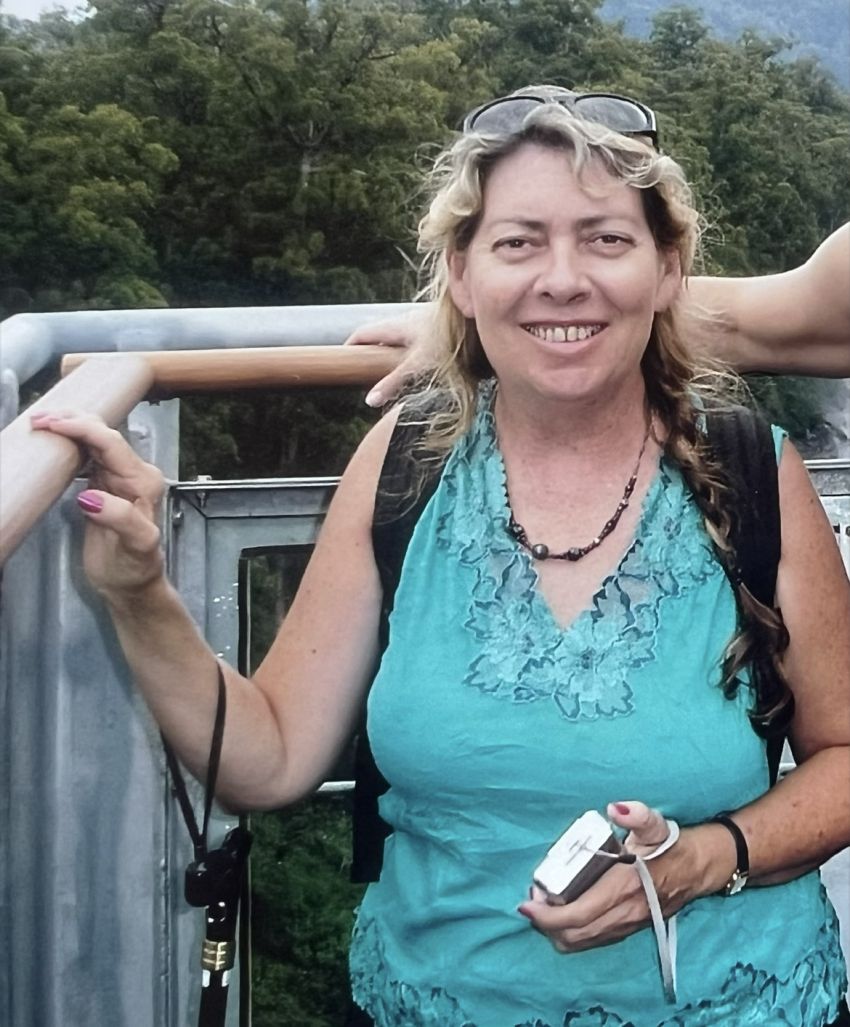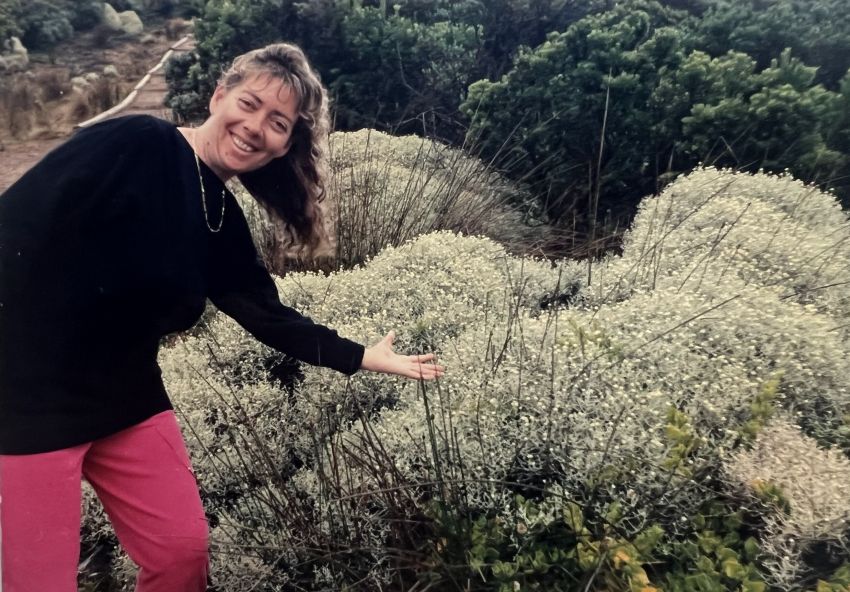
Anne Leggett’s life was commemorated at a private ceremony for friends, family and comrades at her home in Merewether on June 14. The following is abridged from Linda Alcorn and Pauline Dunne’s obituary.
• • •
Anne was born on April 11, 1953, in Cessnock, a town she was always proud of and maintained a keen interest in, particularly her family’s connections to the settler history of the Wollombi and Cessnock area. Leggett’s Drive in Cessnock is named after her ancestors.
Anne’s mother Marge passed away when she was just 13 years old and this had a huge impact on Anne’s life. Anne had a warm and loving relationship with her grandmother, as well as her father, Laurie, and brother, Chris.
Anne was vice captain in Year 12 and dux of her year. After high school, she was awarded a teacher’s scholarship and moved to Muloobinba/Newcastle. While studying she worked part time, including at the infamous Star Hotel alongside Newcastle icon and drag queen “Stella”, a pioneering performer. Anne and Stella became good friends.
Anne met Graeme Paulie during her tertiary studies. They married when she was in her early 20s and had many happy years together until their life paths changed in Anne’s early 30s.
Anne’s first job on completing her teaching degree in geography and history was at Nowra High. But she was given the special education students and, despite not having been trained, she threw herself into helping them learn.
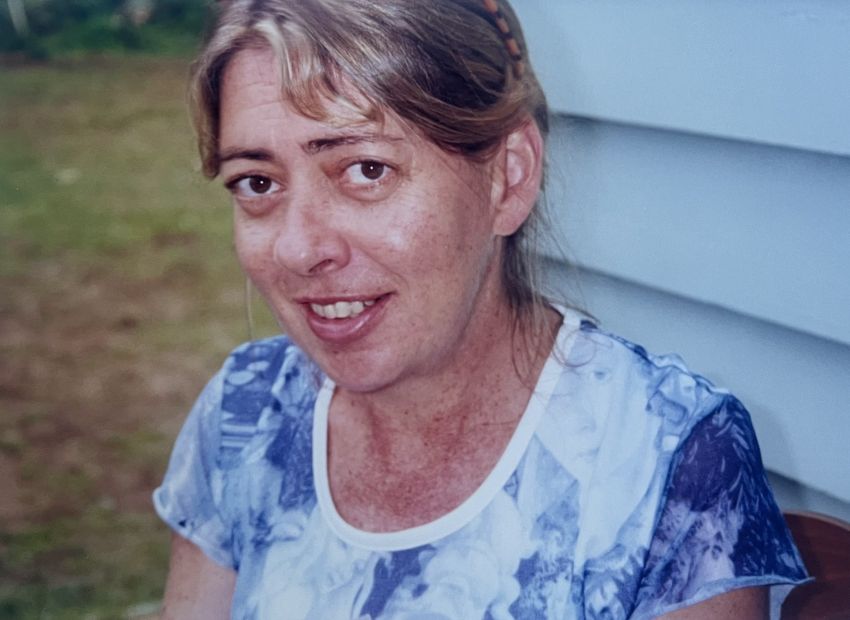
In 1975, Anne was part of a delegation of trade unionists to China. It was part of Gough Whitlam’s policy to normalise relations between the two countries. Anne was not uncritical of the Chinese Communist Party, but she noted its impressive achievements in reducing severe poverty and illiteracy.
After a year at Nowra, Anne was given history and geography, and she and Graeme moved to Berry. They bought a property at Macksville in the early ’80s and Anne started working at Singleton High, coming home on weekends. She would spend these preparing lessons, cleaning the house and making meals for the week. Despite her best efforts, Anne decided that she wasn’t cut out to be anyone’s slave. Her marriage ended.
Anne transferred to Newcastle High and shared a house on Frederick Street, Merewether, with a woman and her two daughters.
In the mid 1980s, she went to Mparntwe/Alice Springs for a couple of months and worked in a café. She enjoyed the outback and had always had a deep appreciation of Aboriginal culture. As a strong feminist, she also took part in the women’s peace march opposing Pine Gap.
Returning to Muloobinba, she took a job at Jenny’s Place, helping victims of domestic abuse. She was recognised as a lifetime member of Jenny’s Place because of her continued support both financially and through donations of goods and clothing.
Student welfare was important to her, and she worked hard to improve girls’ lives. She was also a staunch unionist, becoming a delegate to the union at her school.
Anne was one of the founding members of the Democratic Socialist Electoral League in Muloobinba and became a supporter of the Socialist Alliance. She was passionate about her political beliefs and was a strong feminist.
As head teacher and, sometimes acting deputy, Anne often had to deal with parents. One day, at West Wallsend high school, she lost her footing when a parent verbally abused her and pushed past her.
Anne fell down the steps and broke her ankle. She wasn’t able to work for many months while her leg healed. Instead, she continued her work at the Department of Education and Communities in Newcastle. While there, Anne discovered the department was not addressing serious complaints.
Being a woman with great ethics, Anne put her students’ interests first and became a whistleblower. This led to the issue being addressed, but with distressing flow-on effects and at great personal cost.
The stress of this and other events, combined with her own physical health problems, led to Anne becoming very ill, and needing to retire early.
Anne was diagnosed with a debilitating nerve disease (Charcot-Marie-Tooth disease) in her 30s. It damages the nerves connecting the brain and spinal cord to the arms and legs and leads to muscle shrinkage.
When Anne was told she would need to go into a care home by her early 40s, she worked hard to stay well through diet, exercise and meditation. Anne never went into care. She remained independent and passionate about life right up until her 72nd birthday, a weekend before she died.
Anne knew her health would eventually give way and she adjusted her home, transport and supports, befriending the wonderful cleaners and NDIS [National Disability Insurance Scheme] workers.
Anne was an incredibly giving and beautiful person, a fantastic storyteller, staunch feminist and trade unionist. It was an honour to be Anne’s friend. Thank you for everything dear friend.