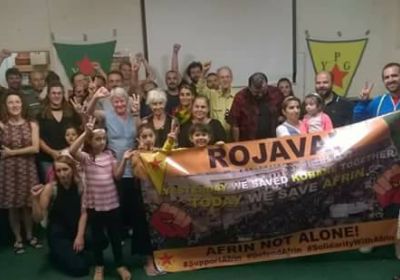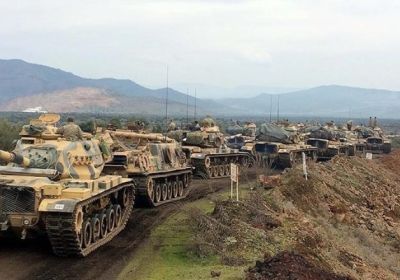
The Kurdish Red Crescent reported on February 27 that at least 348 civilians had died in the conflict begun by Turkey’s January 20 invasion of northern Syria’s small enclave of Afrin.
The Kurdish Red Crescent reported on February 27 that at least 348 civilians had died in the conflict begun by Turkey’s January 20 invasion of northern Syria’s small enclave of Afrin.
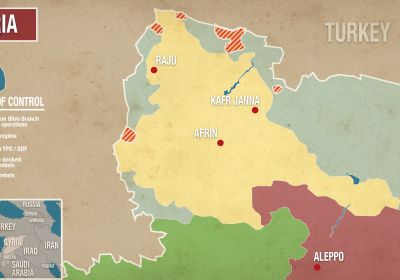
The Afrin canton in Northern Syria is under sustained assault from invading Turkish forces and allied Islamist gangs.
The Turkish invasion, accompanied by reports of massacres and use of chemical weapons, aims to destroy the progressive, democratic Kurdish-led revolution in Syria’s north, which places women’s liberation at its centre.
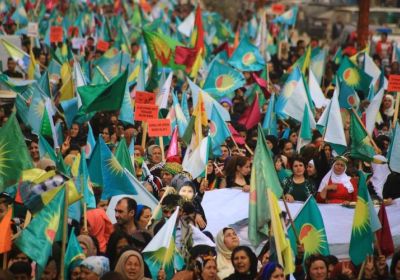
Northern Syria (also known by its Kurdish name of “Rojava”) has been the scene of a social revolution with women’s liberation at its centre in recent years. However, it has come under constant attack.
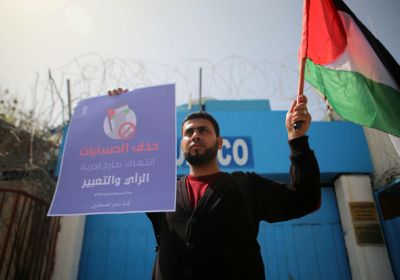
Dozens of Palestinian journalists protested social media giant Facebook on March 5, criticising its routine blocking of accounts from the Middle Eastern country.
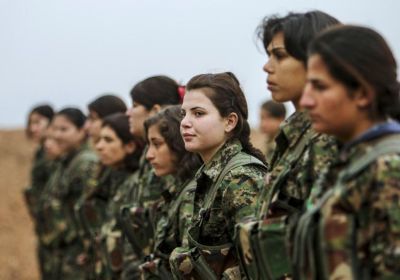
Women from the Tirbesipiye-Cizire Canton in northern Syria (known as “Rojava” in Kurdish) held a women-only demonstration through the city centre on February 9.
The marchers expressed their support for the resistance by women and others in the Afrin canton in Rojava against the fascist invasion from Turkey and Islamic gangs, which began last month — and in support of the feminist, multi-ethnic Rojava Revolution.
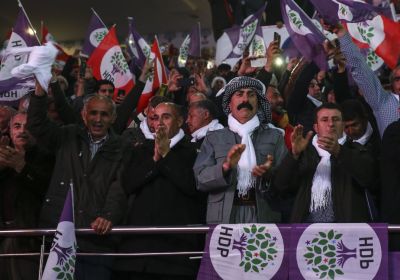
Turkey's second largest opposition party — the left-wing, Kurdish-led Peoples’ Democratic Party (HDP) — elected new leaders at its Third Congress on February 11.
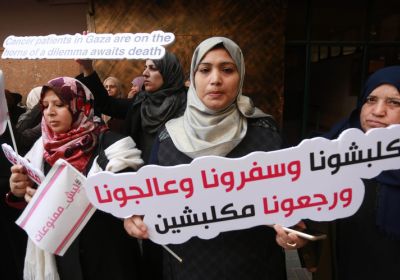
Faten Ahmed was a 26-year-old with a rare form of cancer. She died in August while awaiting an Israeli permit to travel for chemotherapy and radiotherapy not available in the Gaza Strip, which has been subjected to a crippling Israeli siege since 2007.
She had previously missed eight hospital appointments after Israeli “security approval” was delayed or denied, according to the World Health Organization (WHO).
Ahmed was one of five women who died from cancer in that month alone while waiting for Israeli permission that never came.
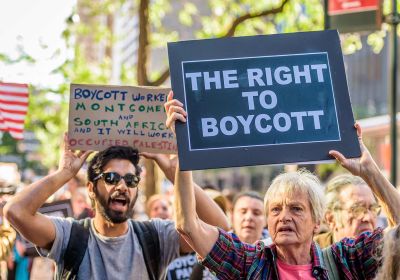
As 17-year-old Palestinian girl Ahed Tamimi remains in prison awaiting trial for slapping a soldier who invaded her family’s yard, three 17-year-old Israeli girls are at the centre of a lawsuit over the decision by New Zealand singer Lorde to cancel a planned Tel Aviv concert.
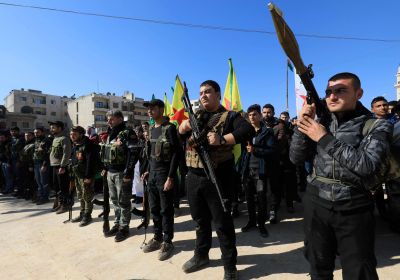
On January 20, Turkey launched an invasion of Afrin, one of the three cantons that make up the Democratic Federation of Northern Syria (also known as Rojava), the site of a profound, Kurdish-led social revolution based on multi-ethnic participatory democracy and women’s liberation.
The invasion has killed dozens of civilians in an area that has welcomed hundreds of thousands of refugees from Syria’s conflict. Turkey’s actions would be impossible without at least passive acceptance from several great powers active in Syria. Cihad Hammy looks at the motivations for various major players.
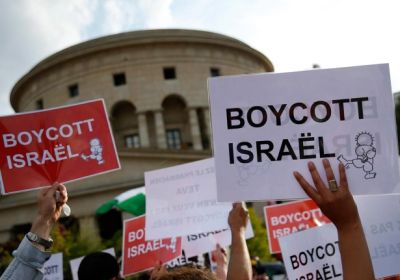
In the face of a campaign by supports of the boycott, divestment and sanctions (BDS) campaign against Israel in protest against its apartheid policies, New Zealand superstar singer Lorde cancelled a planned Tel Aviv concert in December.
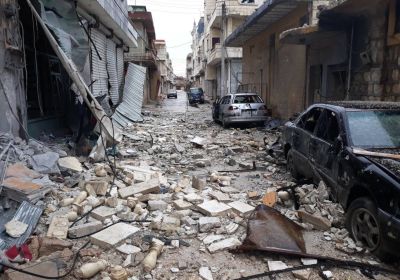
The dark clouds of 21st-century fascism are once again hanging over the heads of the people of northern Syria. As if the inhabitants of the region often referred to as Rojava haven’t suffered enough over the course of the past 7 years of war, the Turkish state has come to the conclusion that the time is ripe to pick up the fallen, bloodied sword from the corpse that is Islamic State.
Together with Salafist mercenaries carrying flags of the Syrian ‘rebels’ – one of the many components of what at one historical juncture seemingly all so long ago was a cohesive ‘Free Syrian Army’ – Erdogan’s regime vows a ‘swift operation’ to destroy ‘terrorism’ in Afrin.