

The US government says it is going to help Central America fight corruption and free the Cuban people. But any help from the US comes with ulterior motives, writes Tamara Pearson.
The US government says it is going to help Central America fight corruption and free the Cuban people. But any help from the US comes with ulterior motives, writes Tamara Pearson.
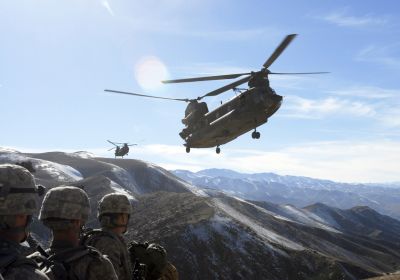
After nearly two decades of war and occupation, United States and NATO forces have withdrawn from Afghanistan, leaving Afghans to pick up the pieces, reports Pip Hinman.
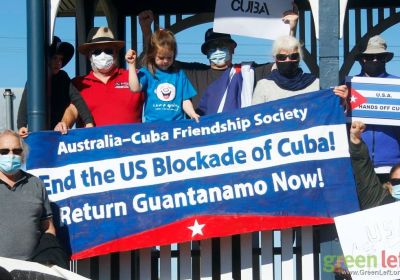
For six decades now, the United States has unsuccessfully sought to achieve regime change in Cuba, writes Ian Ellis-Jones.
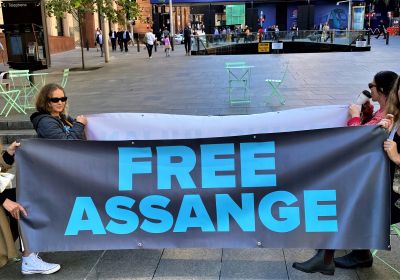
From Labor Prime Minister Julia Gillard to Coalition PM Scott Morrison, Australian leaders have tried to appear in a chorus of extras, parroting that Assange had broken the law, writes Stuart Rees.
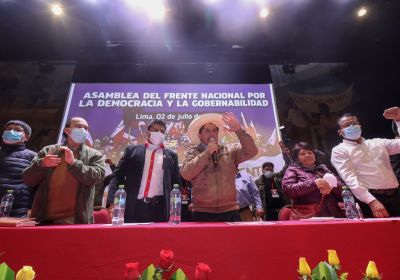
The campaign to overturn Peru’s presidential election results is one of “unconventional warfare”, report José Carlos Llerena Robles and Vijay Prashad.
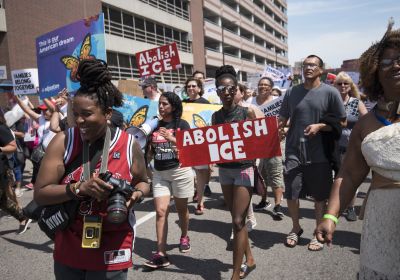
Despite promises made during his election campaign, US President Joe Biden has continued Donald Trump’s inhumane policies towards refugees fleeing horrific conditions south of the border, writes Barry Sheppard
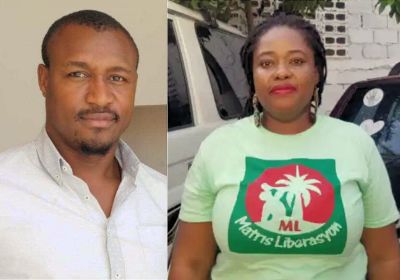
Kim Ives looks at events in the days leading up to Jovenel Moise's assassination in Haiti.
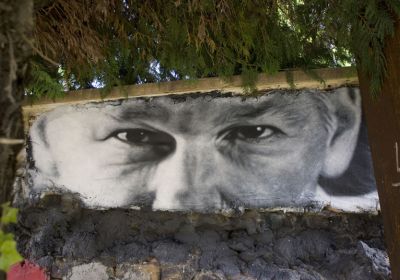
The US Department of Justice’s claim that the Wikileaks founder directed a complex hacking operation has exploded. Sam Wainwright argues we must continue to demand justice for Assange.
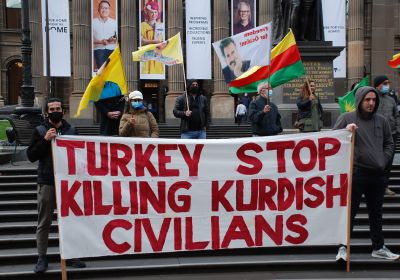
Protesters took to the streets on July 3 to support an international initiative to defend Kurdistan against Turkish occupation. Chris Peterson reports.

The decades-long campaign demanding truth and justice for victims of Chilean General Augusto Pinochet’s dictatorship scored two important victories in Australia last month, reports Federico Fuentes.
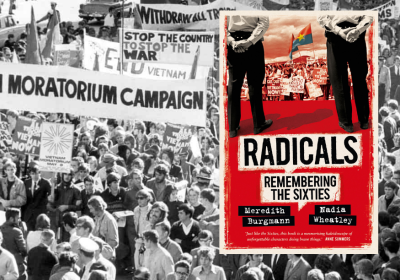
Jim McIlroy reviews a new anthology of lively interviews with prominent figures in the Australian radical youth scene of the 1960s.
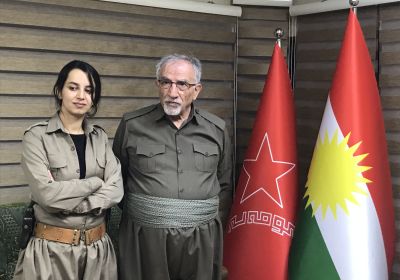
Marcel Cartier talks with leaders from the Komala Party of Iranian Kurdistan.