-
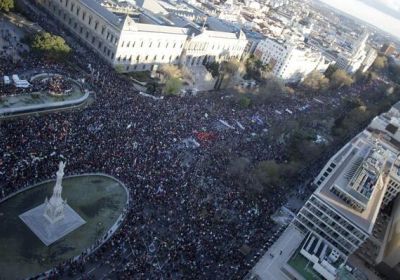
We interviewed Ali Mustafa live from Egypt on January 24 — the Friday of the weekend marking the third anniversary of the popular uprising that captured the global imagination and put fear in the hearts of despots everywhere. Over a terrible connection and crackling phone line, Ali’s voice was difficult to make out as he described the scene: “The streets are empty, it’s almost eerie and ominous the way the streets are deserted.” -
Dancing to the festive sounds of cumbia and ska music, thousands of supporters of the left-wing Farabundo Marti National Liberation Front (FMLN) celebrated the expected victory of their candidate, Salvador Sanchez Ceren, as the vote counts in El Salvador’s presidential run-off election poured in on the night of March 9. -
The statement below was released by several socialist parties from the Asia-Pacific region. Please email [email protected] to add your organisation to sign the statement. *Updated signings on March 18* * * * Socialists in the Asia-Pacific region pledge support for Venezuela’s socialist revolution, a year after Chavez’s death. -
More than 350 climate activists were arrested March 2 in Washington, DC, after zip-tying themselves to the White House fence. The civil disobedience action was the highlight of two days of protest, dubbed XL Dissent by organisers, to demand that the Obama administration reject building the Keystone XL pipeline.
-
Around 6.40am on Feburary 19, a United States Border Patrol agent shot and killed Jesus Flores Cruz, a 41-year-old Mexican national, four miles east of the Otay Mesa port of entry to the US in southern San Diego. Employing what has become an all-too-familiar explanation, authorities said Flores Cruz, an unauthorised migrant, pelted the agent with rocks. Reportedly fearing for his well-being, the agent shot his pistol twice, fatally wounding the alleged attacker.
-
It has been 10 years since the February 29, 2004, coup d’etat that ousted the democratically-elected government of Jean-Bertrand Aristide in Haiti.
-
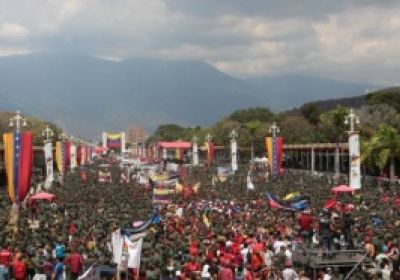
Venezuela has commemorated the one year anniversary of the death of former president Hugo Chavez with rallies across the country. Supporters of the late socialist president turned out in hundreds of thousands for official commemoration services.
-
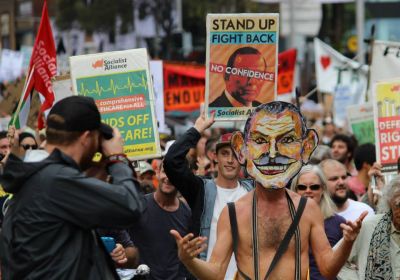
A report commissioned by the Victorian branch of the Electrical Trades Union (ETU) shows that energy sector privatisation in Australia has been "a dismal failure", which has produced "no benefits" for consumers, but has resulted in "large fiscal losses" for taxpayers.
-
Shares in Qantas were traded at $1.25 on February 21, the highest price since October last year. Anyone with more than a passing interest in the stock exchange would know that the company has been in deep trouble for some years. In October 2011, it stranded thousands of its passengers after it grounded its entire worldwide fleet during a union dispute. When rumours began circulating throughout the media after its half-yearly report meeting that Qantas was preparing to shed thousands of jobs at, its share price began to rise. Sacking workers is a profitable sign for speculators.
-
Venezuelan President Nicolas Maduro announced his country was severing all diplomatic and economic ties with Panama after its government sought the intervention of the Organization of American States (OAS) into Venezuela’s domestic affairs. The move came as the US House of Representatives approved a motion calling on countries in the region to stand in solidarity with protesters currently seeking to topple Maduro. Maduro saidright-wing Panamanian president Ricardo Martinelli has been “actively working against Venezuela”.
-
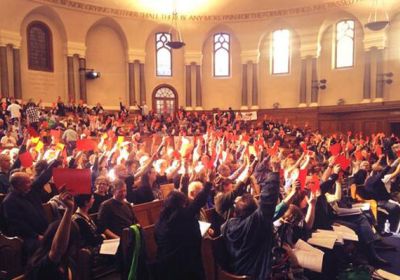
A fresh protest by fans in Australia's A-League football (soccer) competition against restrictions on their rights took place at Parramatta Stadium on March 2 in a match between the Western Sydney Wanderers and the Newcastle Jets. The Red and Black Bloc (RBB), the “active support” group for the Wanderers sat still in their seats for the entire match in a 90-minute long “silent protest”.
-
Below, Australia Venezuela Solidarity Network activist Federico Fuentes, provides answers to common questions about recent events in Venezuela. Key facts are referenced, largely from media outlets that could not be identified as pro-government.