-
Geert Wilders called off his February 20 public meeting in Perth after the hotel where he was going to speak cancelled his booking. Organisers of Wilders' tour tried to claim that protesters had intimidated the hotel and implied that Wilders' "free speech'' was threatened as people were "denied'' the chance to hear Wilders talk. Wilders' most prominent supporter in the Australian parliament — disgraced Liberal senator Cory Bernardi — also tried to claim that there was "free speech double standard" involved. -
A civil trial expected to last eight weeks in the federal court in Melbourne was averted on February 18 by an agreement between the Victoria Police and six African-Australians suing them for racial discrimination and racial profiling. The agreement mandates an enquiry, with submissions from the public, into allegations of police racism in the Flemington-North Melbourne area, which includes culturally diverse Housing Commission estates. The agreement also permits the six complainants to publicly tell their stories using police documents obtained through the court case. -
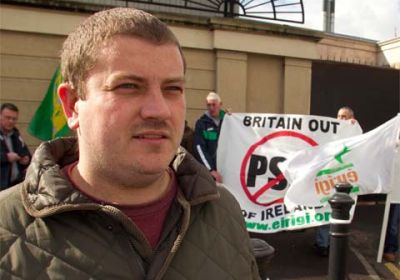
In an attempt to avoid anti-racist protesters, the February 18 meeting to launch the Australian speaking tour of Dutch far-right politician Geert Wilders, was, at the last moment, moved to a desolate, non-residential part of Somerton on Melbourne’s northern edge. More than 200 anti-racists, however, picketed Wilders’ meeting while another 100 protested in Melbourne CBD, where one of the speakers was Greens Senator Richard Di Natale.
-
Hall Greenland, a respected left-wing activist, writer and journalist in Sydney, is the Greens candidate for the inner-west Sydney seat of Grayndler.
-
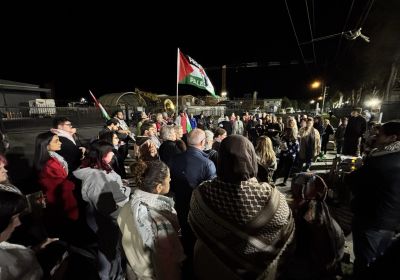
Najeeba Wazefadost came to Australia as a child refugee in September 2000 by a perilous journey by boat. She is now president of Hazara Women of Australia and I interviewed her for Green Left TV at a 500-strong Hazara community demonstration in the centre of Sydney on February 20 to protest the ongoing massacres of Shia in Pakistan.
-
Venezuelans rallied in support of their president, Hugo Chavez, on February 18 after his surprise return from treatment in Cuba. In the early morning, Chavez had announced on Twitter he had arrived in Caracas after more than two months of cancer treatment in Havana. Chavez tweeted: “We’ve arrived once again to the Venezuelan Homeland. Thank you God! Thank you beloved people! We’ll continue treatment here.” Upon his return, Chavez was taken to the Dr Carlos Arvelo military hospital in Caracas, where he will continue treatment. -
The Sri Lankan army has demolished hundreds of houses inside its “high security zone” (HSZ) at Valikaamam on the Jaffna peninsula in the north of Sri Lanka, a February 11 Tamilnet report said. The houses belonged to Tamils who had been driven from their homes 20 years ago when the HSZ was established.
-
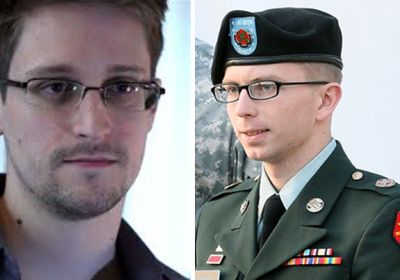
February 23 marks the 1000th day in which alleged WikiLeaks whistleblower, 24-year-old US Army intelligence officer Bradley Manning, has been jailed by US authorities without trial. A pre-trial hearing in January in the case of Manning, concluded that his defence would be restricted to arguing motive during his trial, scheduled for June 3. Manning has been accused of leaking thousands of classified documents to WikiLeaks, which revealed a wide range of US war crimes, as well as evidence of corruption and lying by a range of governments. -
In occupied Tibet, the once-isolated “Land of Snow” that has been converted into a hell on Earth for its indigenous inhabitants, the oppressed are literally setting themselves alight in protest against Chinese policies. At least six Tibetans have self-immolated since the start of the year, bringing the total number of such incidents to 100. The first reported case occurred in February 2009, but all other reported burnings have taken place since March 2011. At least 82 of the cases have been fatal. Survivors are subjected to harsh punitive measures by Chinese authorities. -
The assassination of left-wing leader Chokri Belaid has thrown the interim government of Tunisia, led by Islamist party Ennahda (the Renaissance), into a deep crisis. Prime Minister Hamadi Jebali has threatened to resign if his proposed "technocratic" solution can't be implemented. The death of Belaid, a well-respected leader of the united left group Popular Front, led to widespread protests, including tens of thousands on the streets of Tunis for his memorial on February 8.
-
Last December, I stood with supporters of WikiLeaks and Julian Assange in the bitter cold outside the Ecuadorean embassy in London. Candles were lit; the faces were young and old and from all over the world. They were there to demonstrate their human solidarity with someone whose guts they admired. They were in no doubt about the importance of what Assange had revealed and achieved, and the grave dangers he now faced. Absent entirely were the lies, spite, jealousy, opportunism and pathetic animus of a few who claim the right to guard the limits of informed public debate. -
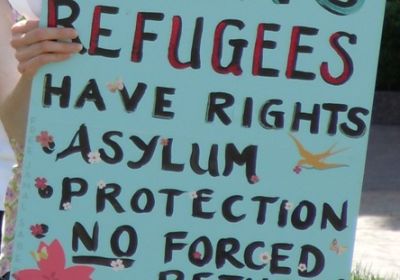
In mid 2012 the Australian government deported Sri Lankan asylum seeker Dayan Anthony back to Colombo despite the wider community, lawyers and refugee advocates mounting a compelling case to show that his claims of torture in Sri Lanka were justified. Anthony became the first Tamil deported back to Sri Lanka where it is claimed he now lives in fear and under virtual house arrest.