

The COVID-19 pandemic and anthropogenic climate change illustrate the need to transcend the capitalist world system with an ecosocialist one, argues Hans Baer.
The COVID-19 pandemic and anthropogenic climate change illustrate the need to transcend the capitalist world system with an ecosocialist one, argues Hans Baer.

Zebedee Parkes reports that communities across Australia have turned out in hundreds of locations to demand climate action and oppose the Scott Morrison government's drive for a gas-led economic recovery.
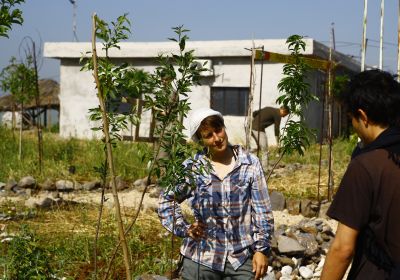
Make Rojava Green Again joined the call by Fridays For Future to participate in the Global Climate Strike on September 25, issuing the following statement.

Green Left is publishing this Ecosocialist Manifesto for discussion and further development at a series of Ecosocialism conferences in several cities next month.

Western capitalist approaches have created dangerous conditions in California, but Indigenous communities have managed fire as a natural part of the ecosystem, writes Sonali Kolhatkar.

Prime Minister Jacinda Ardern’s personality is undoubtedly a factor in her appeal. But, politically, Ardern represents a form of centrist politics that has failed to address the challenges of our time, argues Ani White.

Activists visited insurance company Arch Insurance to ask it to rule out supporting Adani, reports Coral Wynter.

Catastrophic fires raging in the west of the United States are being fuelled by climate denial and bipartisan pandering to fossil fuel interests, writes Barry Sheppard.

A new Climate Justice Charter has been adopted by a mass online assembly of activists in South Africa, reports Climate and Capitalism.

Cam Walker argues that the federal government’s push for fossil gas amid a worsening climate crisis is reckless in the extreme.

Climate campaigner Greta Thunberg urges us to join the dots, but Pip Hinman writes that our governments won't do so unless we make them.

The Robbery of Nature demonstrates the importance of understanding nature and society with a Marxist perspective, writes Neville Spencer.