
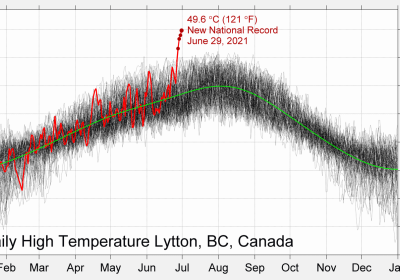
Never have so many heat records fallen by such a large margin than in the past week’s historic heat wave in western North America, report Bob Henson and Jeff Masters.
Never have so many heat records fallen by such a large margin than in the past week’s historic heat wave in western North America, report Bob Henson and Jeff Masters.

Simon Butler answers the "left" argument that progressives should support nuclear power as a climate solution.
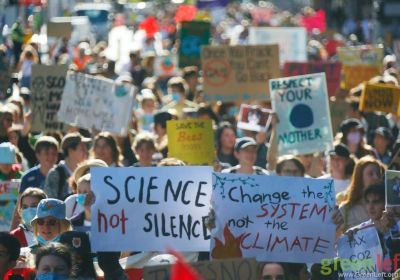
ABC’s Australia Talks National Survey has provided some insights into how people’s lives have been impacted by the COVID-19 pandemic and what they think about capitalism, writes Isaac Nellist.
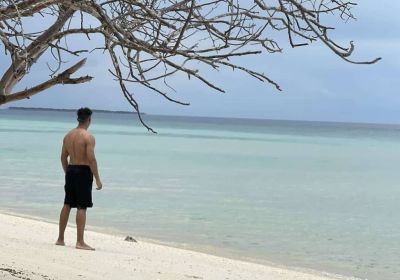
Eddie Mabo did not fight for ngau lag (my land) only to lose it to climate change, argues Makiba.
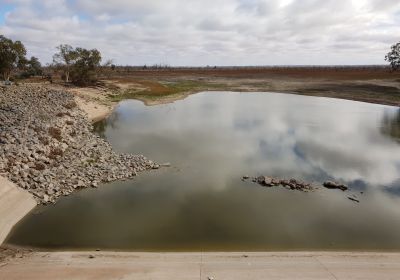
Charges against Baakindji woman and water campaigner Leah Ebsworth have finally been dropped, reports Paul Oboohov.
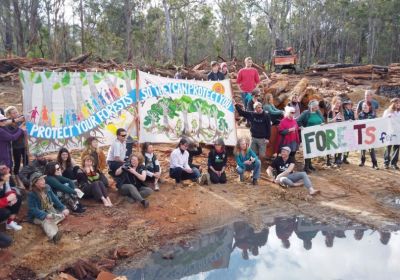
Jane Hammond spoke with Green Left about her new film, Cry of the Forests that exposes the devastation of Western Australia’s old-growth forests.
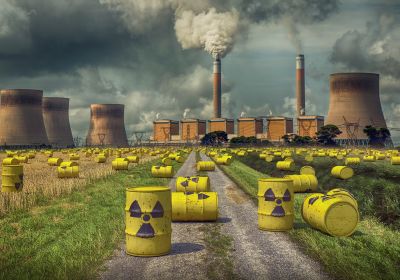
To cut greenhouse gas emissions we need to rapidly shift to safe, renewable energy. Nuclear power is not the answer, writes Simon Butler.

Students and staff opposing Mark Vaile’s appointment as chancellor of the University of Newcastle are celebrating his decision to withdraw. Kathy Fairfax reports.
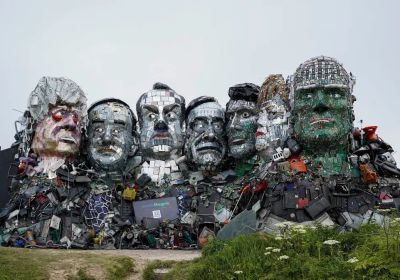
Anti-poverty groups, climate campaigners, and public health experts reacted with outrage after the G7 effectively abdicated responsibility in the face of savage economic inequality, a rapidly-heating planet, and the deadly COVID-19 pandemic, writes Jon Queally.
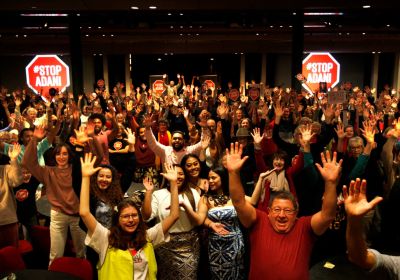
The Adani mine is seven years behind schedule and the Big Four banks and many insurance companies have ruled out investing in the project. Jim McIlroy and Richard Boult report on the #StopAdani Roadshow.
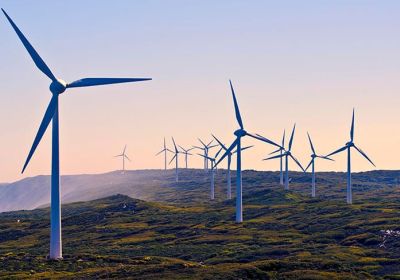
Wind is now one of the cheapest energy solutions, but the federal resources minister has vetoed help for a new wind farm in Far North Queensland. John Pratt reports.
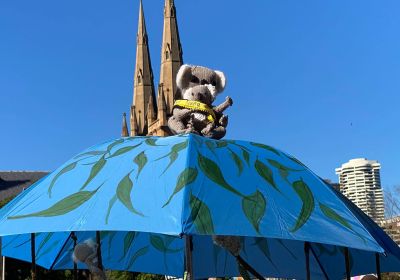
It would be easy to save koalas from extinction by saving their habitat. But will the NSW government do it? Jim McIlroy reports.