-
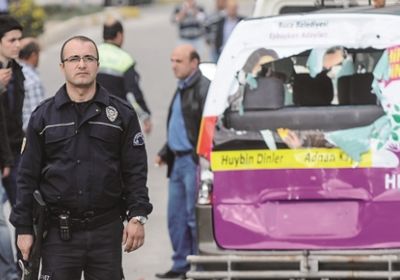
Cracks have been deepening in Turkey's new religious ruling class since the Gezi uprising in May last year. There is now an open and brutal war between two governing factions. This will likely escalate after the local government elections on March 30. Followers of Turkey’s best-known cleric and moral didact, Fetullah Gulen, have been encouraged for decades to work within Turkey's government and have accrued much power. -
Thailand's notorious Constitutional Court has once again worked hand in glove with the anti-democratic elite, ruling that the February 2 election was “unconstitutional”. This is a re-run of the ruling that the 2006 elections were null and void. The 2006 ruling, along with anti-democrat protests, led to a military coup and the continuous destruction of Thai democracy.
-
United States President Barack Obama has received scorn for remarks made during a speech in Brussels on March 26. Obama defended the US invasion of Iraq in a bid to chastise Russia for its actions in Crimea and Ukraine. Fending off repeated accusations that the US has lost its moral authority given the invasion of Iraq and other breaches of international law in recent years, Obama said: “Russia has pointed to America’s decision to go into Iraq as an example of Western hypocrisy. But even in Iraq, America sought to work within the international system.
-
A court in the Upper Egyptian province of Minya has sentenced 529 defendants to death in a trial that has been condemned as “grotesque” by Amnesty International. Take action now and add your name to the statement below statement published at the British-based Egypt Solidarity Initiative. Signatures will be published and delivered to representatives of Egypt's government by April 28, the likely date for an appeal against the sentences. * * *
-
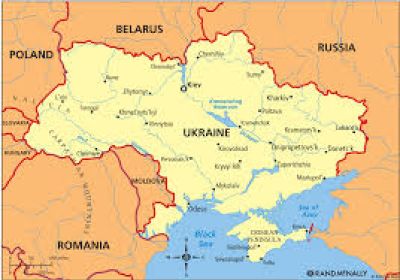
The United Nations general assembly voted on March 27 ― with 100 votes for, 11 against and 58 abstentions ― to not recognise the results of the March 16 referendum in Crimea. In the poll, most voted for the territory to leave Ukraine and join Russia. The resolution was put by Ukraine and sponsored by the United States, the European Union and other Western powers, including Australia. -
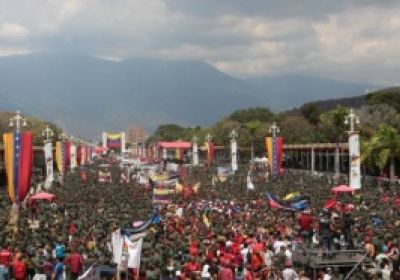
The Venezuelan opposition and much of the media use the term “peaceful protests” to distinguish gatherings of protesting students and other young people from the more violent actions by opponents of President Nicolas Maduro's government -- including vandalism and shootings carried out by those outside of the university community. “Peaceful protests”, however, is a loaded term that serves to plant doubts about the intentions of the Maduro-led Chavista government. -
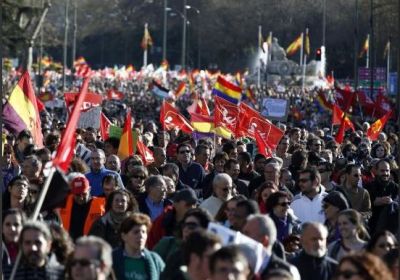
All political forces in Spain are now straining to adjust to the huge 1 million to 2 million-strong March for Dignity demonstration in Madrid. On March 22, the march greeted the protest columns that had converged on Spain's capital from 12 outlying cities and towns over the previous week. The enormous success of this initiative is still sinking in. How come an initiative that began outside the mainstream union confederations, the Workers Commissions (CCOO) and the General Workers Union (UGT), could mobilise so many people and eventually force them to declare their support? -
What is really going on in Venuezuela since January. An important antidote to the corporate media attacks on Venezuela, its democracy and popular revolution.
-
Venezuelan students who support the Bolivarian Revolution speak out against recent oppositional violence, and urge the nation's youth to think for themselves in the midst of the media-backed polarisation.
-
The news below is mostly accumulated from recent coverage at Venezuela Analysis, asides from the first report from Prensa Latina. Venezuela Analysis is the best English-language source of news and analysis on Venezuela, its popular revolutionary process and the media war against the country and its democracy.
-
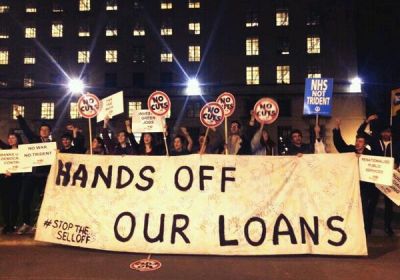
Thousands of people protested against British Conservative Chancellor George Osborne's budget on March 19, the Morning Star said the next day. The protests were part of a national day of action called by the People's Assembly. Across Britain, there were marches, rallies and festivals demanding a people's budget for Britain. -
With Newmont-Buenaventura set to resume building operations at the controversial Conga mine site this year, the Peruvian government has passed a new law granting legal immunity to security personnel who injure or kill protesters. The promulgation of Law 30151, which was officially gazetted on January 14 after being signed by President Ollanta Humala, indicates the state and its transnational corporate backers are planning an expanded campaign of repression against Peruvian communities resisting their neoliberal development model.