
High-profile African-American academic, activist and socialist Cornel West, who strongly backed Bernie Sanders in the Democratic primary race, talks to Democracy Now!'s Amy Goodman on why he is backing the Green Party's Jill Stein for president.
High-profile African-American academic, activist and socialist Cornel West, who strongly backed Bernie Sanders in the Democratic primary race, talks to Democracy Now!'s Amy Goodman on why he is backing the Green Party's Jill Stein for president.
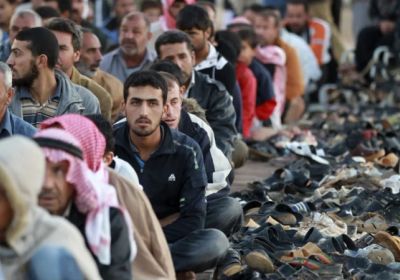
The six richest countries in the world, who make up almost 60% of the world’s economy, are hosting less than 9% of the total number of refugees in the world, a July 18 report by British charity Oxfam found.
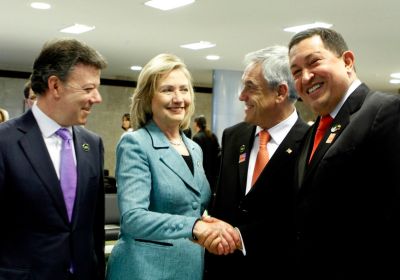
 More than two-thirds of Brazilians oppose the coup government that replaced elected president Dilma Rousseff in May, a recent poll found. The Ipsos poll also found that more than half of Brazil supports holding presidential elections this year.
 Santiago, July 24. Photo: EFE.
Pressured by the recent large protests rejecting the private system of pensions inherited from the Pinochet dictatorship, Chile's President Michelle Bachelet announced on July 26 that her administration would reform the system.
Santiago, July 24. Photo: EFE.
Pressured by the recent large protests rejecting the private system of pensions inherited from the Pinochet dictatorship, Chile's President Michelle Bachelet announced on July 26 that her administration would reform the system.

 A mural for Freddie Gray in Baltimore.
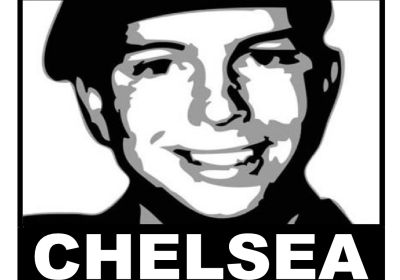

 Qamişlo, July 27.
On the morning of July 27, a bomb-laden truck exploded in a crowded area of Qamişlo in Rojava (northern Syria). This terrorist massacre, claimed by ISIS, killed at least 44 people and left about 150 injured. Many surrounding buildings were destroyed, and among the dead were a number of women and children.
Qamişlo, July 27.
On the morning of July 27, a bomb-laden truck exploded in a crowded area of Qamişlo in Rojava (northern Syria). This terrorist massacre, claimed by ISIS, killed at least 44 people and left about 150 injured. Many surrounding buildings were destroyed, and among the dead were a number of women and children.
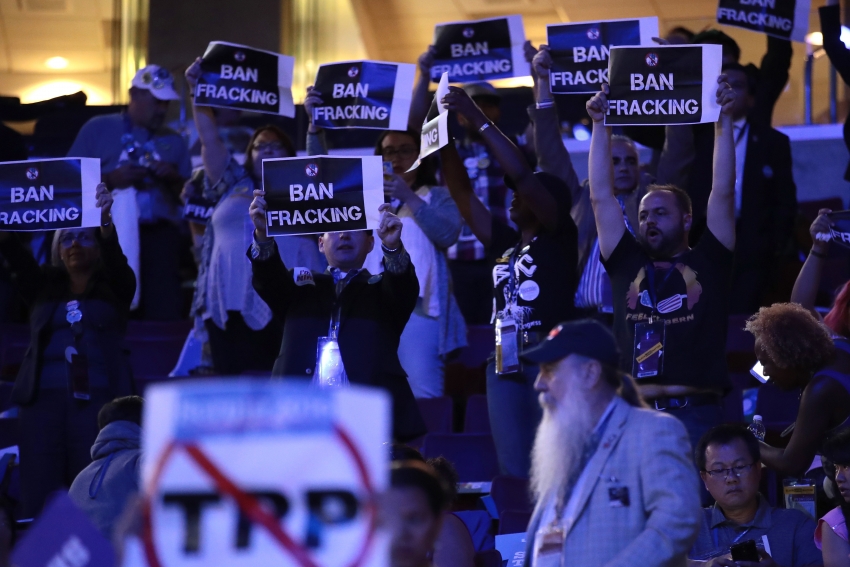 At the Democratic National Convention in Philadelphia this week, it seems a sticker is all it takes to keep you out of a room—at least the rooms brought to you by the fossil fuel industry.