
The Socialist Alliance national office has produced its analysis of the August 21 federal election. It traces the precise mix by electorate of the increased Green, Coalition, independent and informal vote, produced as voters deserted Labor.
The differences among the seat-by-seat contests in an Australian federal election have never been so great. The general disillusionment with the two major parties expressed itself in quite different ways in different electorates and areas.
-
-
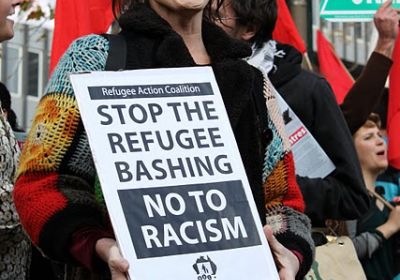 A high court challenge to Australia's offshore processing, on behalf of two Tamil refugees whose asylum claims were refused, has questioned the legality of the refugee processing policy. The case, heard in Canberra's High Court over August 24-26, occurred amid rising numbers of refugee claims being refused. Australia imprisons refugees in offshore detention and denies them full right of appeal in Australian courts. Access to legal advice and fair processing is greatly restricted. The lawyers acting on behalf of the Tamils labelled this practice unlawful and unconstitutional.
 -
Undoubtedly the best thing about the election result was that people — everywhere — were talking about politics. Some of the discussion was about the hung parliament where neither major party won majority support. Because the result wasn’t clear, it gave everybody an opening to form and express an opinion about what should happen next. Other parts of the discussion surrounded the sudden emergence of political issues that had been completely ignored in the “boring” election campaign. The war in Afghanistan is the best example.
-
 Adam Bandt, the MP elect for the seat of Melbourne (long considered a “safe Labor seat”), and the Greens' first House of Representatives member to be elected in a general election has been very busy since August 21. He says he left the triumphant Greens' election night party at 11pm thinking that he would have to do some media the next day so should get a good night's sleep. He woke up the next morning and after a couple of hours having coffee and reading the paper, the situation sunk in.
 -
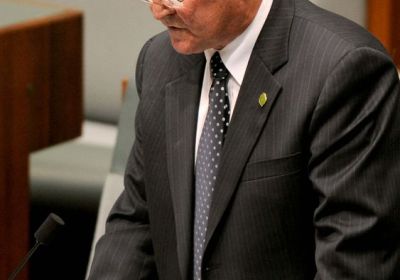 Voters’ stunning rejection of both major parties has left neither likely to form a government in its own right. Whichever party governs, it will have to rely on the support of at least three and probably four independents, with Andrew Wilkie's chance of taking Denison from Labor firming.
 -

On July 26, Wikileaks released thousands of secret US military files on the war in Afghanistan. Cover-ups, a secret assassination unit and the killing of civilians are documented. In file after file, the brutalities echo the colonial past.
-
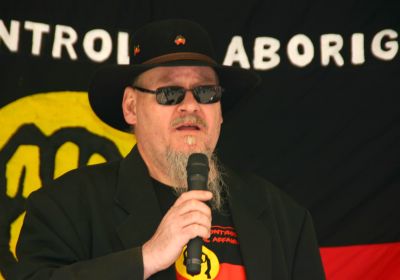 Greg Eatock, a well-known Indigenous activist in Sydney, passed away aged just 51 on August 24. His early death, from chronic health problems, was more proof of the shameful 11.5-year gap in life expectancy between Indigenous and non-Indigenous males in Australian. One of Greg's brothers, Ronald, had already passed away, aged 27. Greg came from a family with a four-generation history of political activism. His great grandmother, Lucy Eatock, and her husband William were veterans of the great 1890s shearers’ strike. Lucy later moved to Sydney from Queensland.
 -
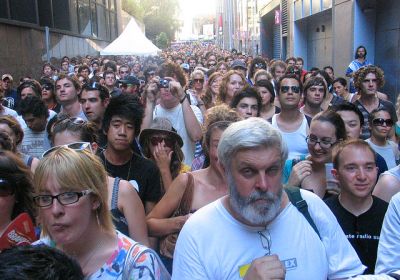 Dick Smith’s Population Puzzle, a documentary that aired on ABC1 on August 12, made no modest claims. It went for the direct, hard sell. Its message: “Cutting immigration to Australia is a great product, and you should buy it.” It said a smaller Australia would not solve just one or two social problems, but more than a dozen.
 -
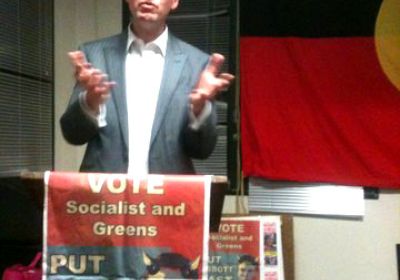 "It seems that the whole narrative of politics is going through a seismic shift”, said Greens lead candidate for the NSW upper house at the 2011 state election, David Shoebridge at an August 25 forum discussing the post-election political landscape. Shoebridge told the meeting, which was organised by Socialist Alliance, that the result would impact on upcoming state elections in Victoria and NSW. In NSW, Labor is particularly hated.
 -
 In April 2009, Kevin Rudd, then Labor prime minister, announced the National Broadband Network (NBN), a massive infrastructure project to provide high-speed network access to 93% of Australia, with satellite access for the rest. Rollout of the network began in Tasmania in July. 2009. Operations began in some other areas in July 2010.
 -
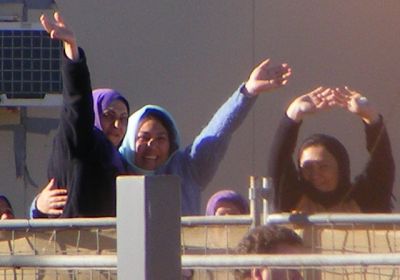 Over the weekend of August 14-15, a “Compassion Caravan” left Perth to visit the Leonora immigration detention centre. Organised by the Refugee Rights Action Network of Western Australia (RRAN), the caravan included 22 people (including university lecturers and children) and a cargo of gifts for the 195 mothers, fathers and children in the remote Leonora detention centre.
 -
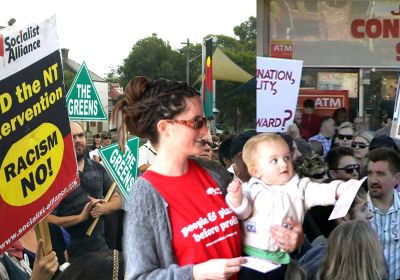 For John, a Socialist Alliance member in his nineties, it was “the best election result in my lifetime”. He was referring to the political impact of a hung parliament and a record vote for the Greens. From the top of the stairs at a polling booth in inner-western Sydney’s once safe, now marginal, seat of Grayndler, John waved the Socialist Alliance’s “how to vote” card to the queued voters and campaigners. His defiant gesture towards the numerous ALP booth workers was a metaphor for the Socialist Alliance’s campaign across the country.