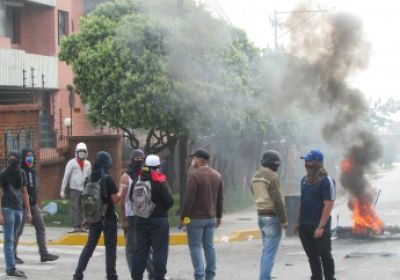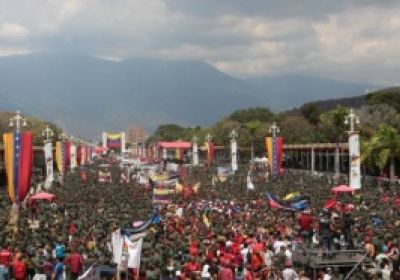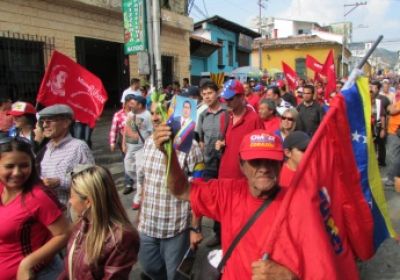
In response to the violence instigated by the Venezuelan elite, the working classes of Venezuela took to the streets this week.
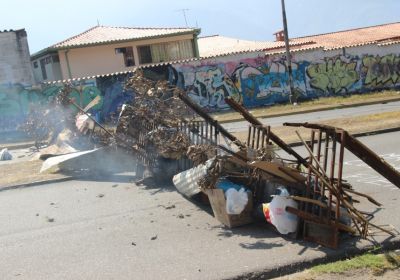
Millions of dollars worth of damages to public property may have been caused by a wave of violence across Venezuela, according to government sources. The assessment comes after Venezuelan President Nicolas Maduro called for a “National Peace Conference” as a means of resolving the on-going violent opposition protests in Venezuela.
“WHERE IS MURDEROUS DICTATOR #NICOLASMADURO HOLDING #LEOPOLDOLOPEZ ?IS LOPEZ TORTURED,DEAD?INSANE MONSTERS CAN’T BEAR PPL KNOWING THE TRUTH?” So tweeted singer, actress and renowned Venezuelan political analyst Cher on February 19. Cher was far from the only celebrity to express support for the right-wing protests in Venezuela, and such tweets symbolise how much the source of disinformation and attacks on Venezuela and its democracy has shifted from mainstream to social media.
When is it considered legitimate to try to overthrow a democratically-elected government? In Washington, the answer has always been simple: when the US government says it is. Not surprisingly, that is not the way Latin American governments generally see it.
Venezuelan President Nicolas Maduro has expelled three United States consular officials from the country due to suspected conspiracy with the right-wing opposition, Venezuela Analysis said on February 17.