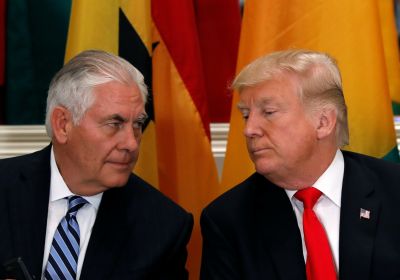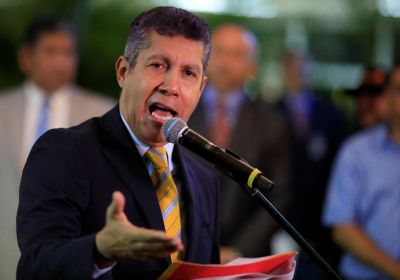
The United States administration has stepped up its efforts at “regime change” in Venezuela in recent weeks.
The United States administration has stepped up its efforts at “regime change” in Venezuela in recent weeks.
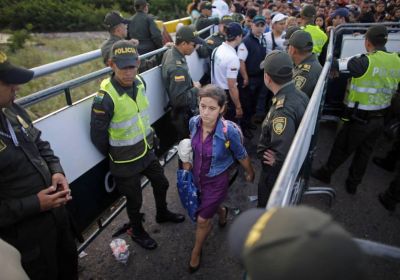
Much has been made in the corporate media of a humanitarian crisis on Venezuela’s borders having been caused by a flood of refugees leaving the country.
Here, Joe Emersberger takes down a recent example of the kind of crude propaganda that the corporate media has been running in its campaign against Venezuela.
Venezuelan Foreign Minister Jorge Arreaza said US-imposed sanctions are making foreign debt renegotiation more difficult and that the government would look to work with other countries to alleviate their needs.

The situation was bleak for Venezuela’s pro-poor Bolivarian Revolution in the first half of last year.
With a dire economic situation and a growing wave of violent opposition protests, President Nicolas Maduro turned the tables by convening a National Constituent Assembly (ANC) in July.
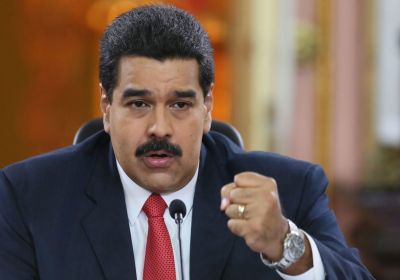
Venezuela's presidential elections have been set for April 22 as talks between the government and opposition aimed at promoting peace and unity appeared to crumble.
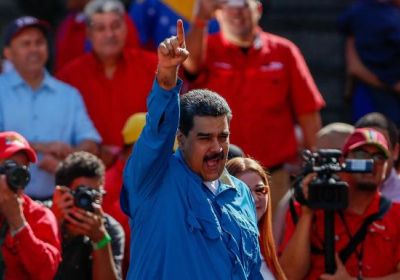
Venezuela’s National Constituent Assembly (ANC) has approved a proposal to hold presidential elections before April 30.
The move came a day after the European Union announced sanctions targeting seven Venezuelan senior state officials on January 22.
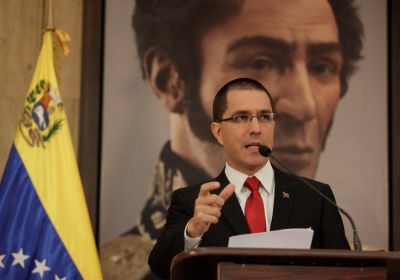
Venezuela has hit back at the United States after it issued fresh threats to impose new sanctions against Venezuelan officials while attempting to derail the dialogue between Venezuela’s government and opposition.