
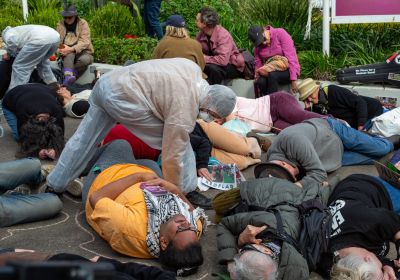
Wollongong Against War and Nukes has joined with many others to oppose plans to turn Port Kembla into a military town. Melanie Barnes canvasses the arguments about why AUKUS will make Port Kembla and the region less safe.
Wollongong Against War and Nukes has joined with many others to oppose plans to turn Port Kembla into a military town. Melanie Barnes canvasses the arguments about why AUKUS will make Port Kembla and the region less safe.

On this episode of On The Streets we discuss protests against an AI data centre proposal, against Glencore’s Hunter Valley Operations extension and a speak-out for homelessness week.

The NSW Teachers Federation held a rally outside Port Kembla Public School to support the campaign against AUKUS. Melanie Barnes reports.
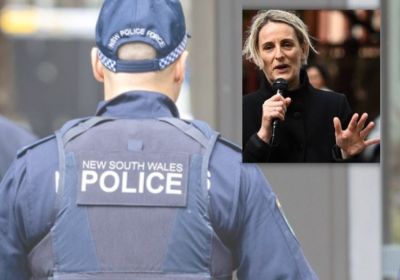
NSW Labor is set to introduce a bill to give NSW Police the power to require people to provide access to their digital devices during more routine arrests. Paul Gregoire reports.
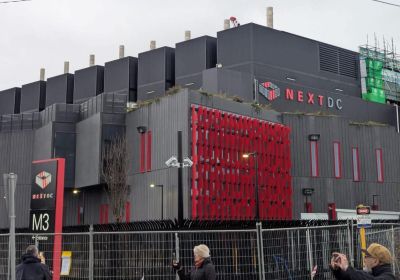
Socialist Alliance opposes the rapid expansion of artificial intelligence data centres being pushed by the Victorian Labor government, as they have no social license and are being driven by corporate greed.

Thousands of allied health professionals working in Victoria’s public hospitals took part in a 24-hour strike demanding better pay and working conditions. Jacob Andrewartha reports.

Despite the Gaza Holocaust continuing, the Royal Commission into Antisemitism and Social Cohesion is being conducted according to the Zionist playbook. It is depressing to watch, but as Jepke Goudsmit writes, there are moments to savour.
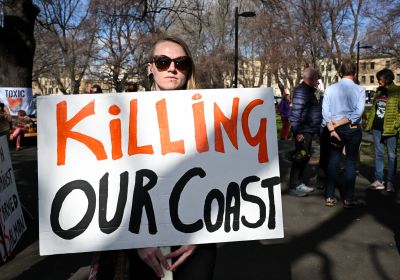
A snap rally drew several hundred opponents of the Environmental Protection Authority’s recent decision to renew licences for 16 salmon farms on the Tasman Peninsula for up to two years. Philip Bohle reports.

Universities are using the Universities Australia definition of antisemitism, which conflates criticism of Israel with antisemitism, to crack down on students who protest the genocide in Gaza. Sarah Bloom reports.
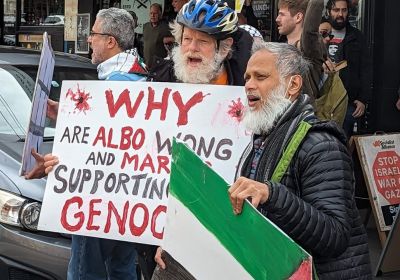
Bob’s life principles were based on solidarity, opposition to oppression and exploitation and support for working-class struggles, recalls Sue Bolton.

Sabrina Fernandes is a political economist and ecosocialist activist based in Brazil. She joined Federico Fuentes on the latest episode of the Green Left Show to discuss the need for an ecosocialist future, and how tackling the climate crisis requires a radical transformation of society.
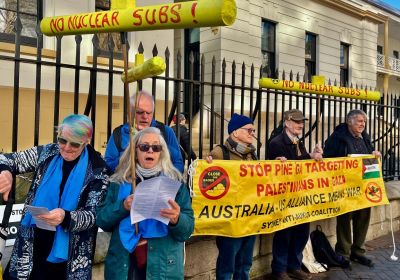
Former politicians and defence personnel, trade unionists and anti-war activists all argued against AUKUS at a public inquiry organised by the crowd-funded Australian Peace and Security Forum. Not one person argued it should be supported. Pip Hinman reports.