

With less than 24-hours’ notice, more than 100 mostly young people organised a vibrant protest to show Pauline Hanson and One Nation that they are not welcome in Toronto, NSW. Niko Leka reports.
With less than 24-hours’ notice, more than 100 mostly young people organised a vibrant protest to show Pauline Hanson and One Nation that they are not welcome in Toronto, NSW. Niko Leka reports.
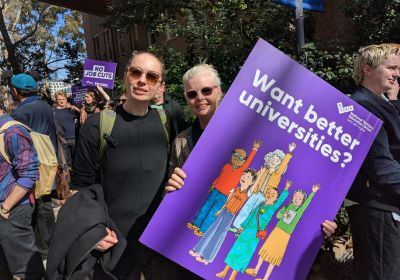
Hundreds of National Tertiary Education Union members at the University of Melbourne went on strike to demand paid sick leave for casuals and safer workloads for academic staff. Jacob Andrewartha reports.
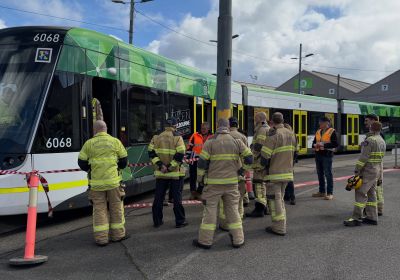
The Victorian Independent Broad-based Anti-corruption Commission’s eight-year investigation into the United Firefighters Union (UFU) and its secretary has found no corruption. However, as Chris Slee reports, there are calls to remove the long-standing UFU secretary.

With the deadly strain of H5N1 bird flu spreading across Australia and devastating wildlife, federal, state and territory governments need to be better prepared to manage this environmental and conservation crisis. Euan Ritchie argues that it is not too late.
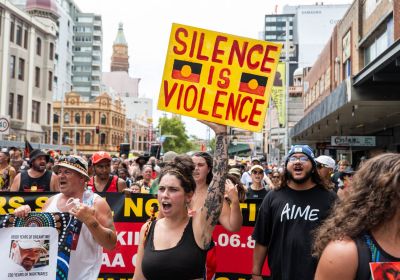
A federal inquiry has heard accounts of widespread abuse, harassment and structural discrimination against First Nations people. Ben Radford reports.
Anthony Albanese once said that John Howard’s push to give the Australian Security Intelligence Organisation the power to arrest, detain and coerce people was a “draconian measure”. Now, as Peter Boyle writes, Labor has given ASIO new powers to do just that.

Karen Fletcher, executive officer at Flat Out, joined Green Left Radio to discuss the Victorian government’s proposed bill attacking prisoners’ human rights.
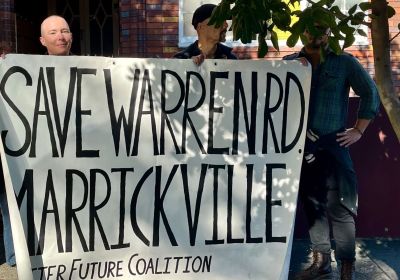
Tenants, neighbours and supporters gathered outside an apartment block in Marrickville to protest a proposed redevelopment that would reduce the amount of affordable rentals on the site. Kerry Smith reports.
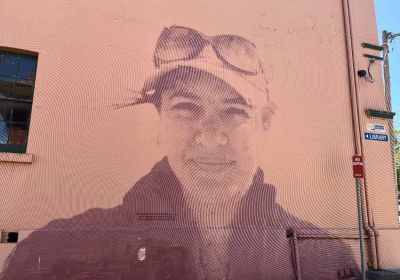
Anthony Albanese and Penny Wong’s hand-wringing over the death of Zomi Frankcom is gobsmacking in its selective outrage about Israel’s war crimes in Gaza. Pip Hinman and Sam Wainwright argue it is calculated to take the focus away from its steady alliance with the apartheid state.

Justice Desmond Fagan’s decision in State of New South Wales v Farhat wrecks the architecture designed by Jillian Segal, adopted by Prime Minister Anthony Albanese and enforced across Australia, writes Andrew Brown.

Loukas Kakogioannis, from the Retail and Fast Food Workers Union, joined Green Left Radio to talk about the recent attempt by the Victorian Labor government to deregister the union.

The Israel Defense Forces has said it will not open a criminal investigation or take additional measures against those involved in killing seven aid workers in Gaza in 2024. Binoy Kampmark reports.