
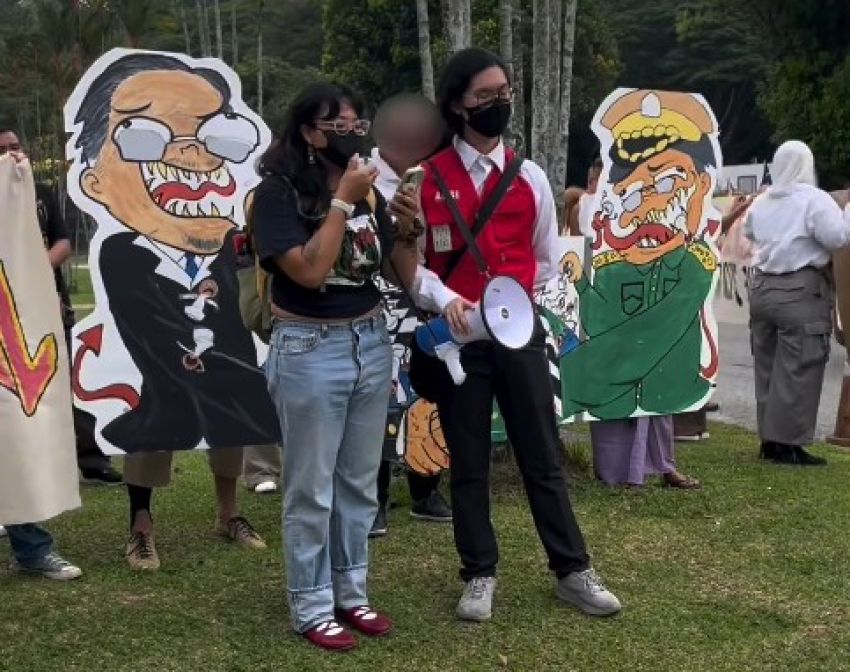
There was outrage from refugee and human rights groups when Malaysian Prime Minister Anwar Ibrahim announced in July that his government had made an agreement with the military coup regime in Myanmar to deport 5000 Rohingya refugees who fled the regime's genocidal attacks on this Muslim minority.
The United Nations High Commission for Refugees (UNHCR) has registered 126,000 Rohingya refugees in Malaysia and there are more unregistered. Over the past year, these refugees have been targeted in a campaign of hate by figures in the conservative United Malays National Organisation, a component of the coalition federal government in Malaysia.
Green Left's Peter Boyle spoke to Madhavi Madhu, a member of the Socialist Party of Malaysia (PSM) and a longstanding refugee rights activist.
* * *
There have been reports that the Malaysian government has begun its promised deportations of refugees back to Myanmar. What is the actual situation?
The government deported 1476 Myanmar nationals (including women and children) on September 29 aboard two navy vessels and a hospital vessel. These individuals were detainees from various immigration detention camps. Large numbers of refugees remain in these detention facilities following continuous, large-scale raids that have taken place throughout this year.
What has been the response of refugee rights and human rights groups?
Amnesty International and Asylum Access have issued strong condemnations of the deportations. The UNHCR also raised concerns, stating that while authorities claim the returns are voluntary, those returned had been held in immigration detention. This raises serious questions about whether the decisions to return were genuinely free and informed.
Additionally, on 24 September, a coalition of NGOs — including Gegar, AKSI, Activist Network, and Beyond Borders — protested in front of the Home Ministry’s office, demanding a halt to these dangerous deportations.
What has been the government’s response to warnings that such deportations may amount to "refoulement" under international law?
The government has not directly addressed these warnings. Instead, it has maintained its narrative that the repatriation is voluntary and conducted in coordination with the Myanmar government to ensure the returnees' "safety".
However, Myanmar remains under heavy martial law, and no clear or transparent program has been outlined to guarantee "safe and dignified" returns. Refugees cannot safely return because their villages and homes have been destroyed. Furthermore, they face a high likelihood of forced military conscription, while those suspected of anti-coup activities risk immediate detention and torture.
Have any Rohingya been deported, and is the online hate campaign against Rohingya, and physical attacks on them, still taking place?
Because the government has not shared an ethnic breakdown of the detainees, there is no official information confirming whether any Rohingya refugees were among those deported on September 29.
Notably, Myanmar Foreign Ministry official Han Win Aung explicitly stated that this repatriation framework is strictly for "genuine citizens". Because Myanmar does not legally recognise the Rohingya as an ethnic group or grant them citizenship, this statement raises a major red flag. It suggests that if any Rohingya are deported, they will be systematically excluded from any legal protections or reintegration plans promised to "citizens".
As for the online hate campaign, it remains highly active. Xenophobic and hostile comments continue to flood the comment sections of news portals reporting on the Rohingya or refugees in general.