-
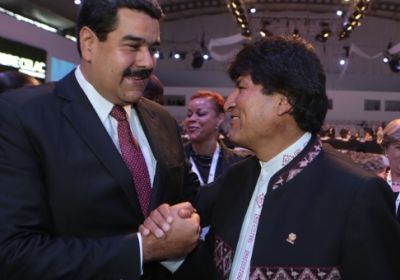
Venezuelan President Nicolas Maduro told a meeting of the Community of Latin American and Caribbean States (CELAC) in Costa Rica on January 28 that Latin America is living in a “new historic era” marked by unity and great opportunity. CELAC was first launched in 2011 in Venezuela, uniting all countries in the Americas except for the United States and Candada. It was set up as a counter-point to the Organisation of American States, which traditionally been dominated by the US. -
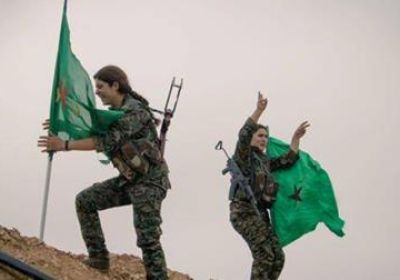
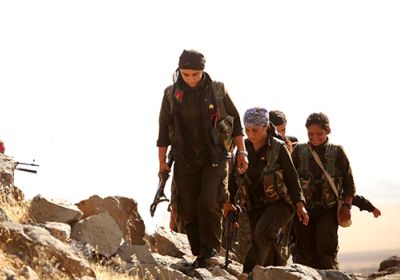
After a fierce struggle lasting 134 days, mainly Kurdish fighters belonging to the Peoples Defence Units (YPG) and Womens Defence Units (YPJ) finally freed the town of Kobane on January 26 from attackers belonging to the terrorist group that calls itself the Islamic State (IS). Kobane remains intact — although, only just.
-
Allegations made by south Indian Tamil fisherfolk against the recently deposed Mahinda Rajapaksa government in Sri Lanka reveal a trail of death and corruption. They said 750 fisherfolk have been killed by the Sri Lankan navy since 1983. Eighty-four boats were seized in the past six months alone.
-
Venezuelan assistance to Palestine has played an important role in helping Palestine achieve domestic development goals, said Palestine's ambassador to venezuela, Linda Sabeh Ali. Sabeh Ali said her people hope to achieve some of the same freedoms the Venezuelan people have enjoyed in recent years. “Venezuela is a free land of liberators. We dream of a free country like this [Venezuela],” Sabeh Ali said in a January 21 interview to Venezuelan state media.
-
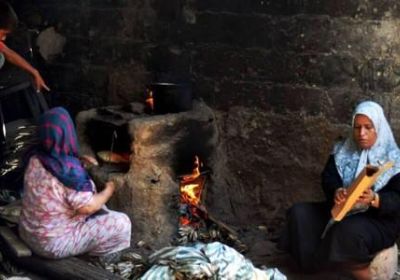
Early each morning, Um Atiya makes toast on a mud stove. She has become reliant on the stove since Israel’s 51-day attack on Gaza in July and August last year. Electricity and cooking gas are scarce throughout the Gaza Strip. The situation has been particularly difficult in recent weeks. Gaza’s power plant was shut down on December 28, its fuel reserves exhausted due to lack of funds. Um Atiya only has six hours of electricity a day. -
Ozgur Amed is a journalist, columnist, teacher, and activist from Diyarbakir in south-eastern Turkey. He spoke to Dylan Murphy, in conjunction with Rojava Report, about the democratic revolution underway in predominantly Kurdish Rojava in the Syrian state ― opposing both the Assad regime and fanatical Islamic State (IS). Despite sustained attacks by IS on Kobane in Rojava, resistance fighters liberated most of the city ― and Rojava's fascinating and inspiring experiments in direct democracy live on. -
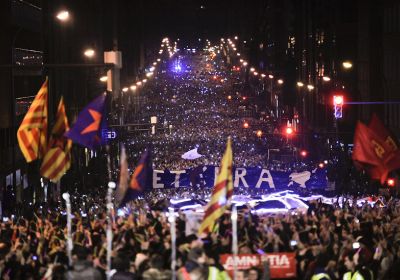
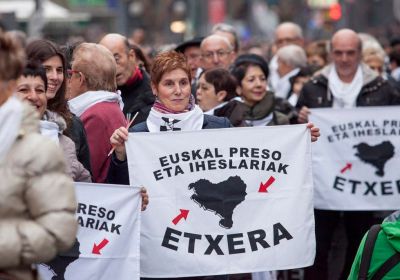
An estimated 33,000 people marched through the Basque city of Donostia on January 17 to protest ongoing Spanish state repression against civil rights activists and lawyers in the Basque Country. Marching under a large banner reading “Human Rights, Resolution, Peace”, the demonstration included members of the Basque pro-independence left coalition EH Bildu, trade unions and supporters of Basque political prisoners. -
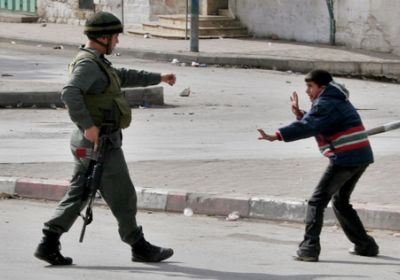
Sami Ziadna, who died as a result of excessive tear gas inhalation on Jaunary 18, was the 50th Palestinian citizen of Israel to be killed by Israeli police since October 2000. Then, as protests spread throughout Palestinian communities in Israel, 13 unarmed demonstrators were shot and killed by police officers in northern Galilee. About 1.7 million Palestinians carry Israeli citizenship, but dozens of discriminatory laws stifle their political expression and limit their access to state resources, including land and education. -
Maithripala Sirisena has taken office as president of Sri Lanka after winning the island's January 8 election. Sirisena won 51.28% of the vote, defeating incumbent president Mahinda Rajapaksa, who got 47.58%. Seventeen other candidates won 1.14% of the votes between them. Rajapaksa had been elected president in 2005 and re-elected in 2010. In his first term, he presided over the most brutal phase of the war between the Sri Lankan government and the Liberation Tigers of Tamil Eelam (LTTE). -
Outrage and disbelief met a report in the December 30 Irish Times that British TV station Channel 4 was commissioning a comedy set to the backdrop of the Irish Famine. The Famine lasted from 1845 until 1852, with more than one million people dying from starvation and disease. Many of them were buried without coffins in mass pauper graves. Others were left where they dropped for fear of contagion, their mouths green from the grass they ate in desperation.
-
The Basque people have suffered long-standing repression and denial of national rights under Spanish rule, including many jailings of supporters of Basque self-determination. The Basque nationalist movement is entirely committed to peaceful, non-violent means, with Basque armed group ETA declared a “permanent cessation” of armed activity in 2011. Spanish state repression has not ended, however. The statement below was released on January 17 by the Basque Peace Process website. *** -
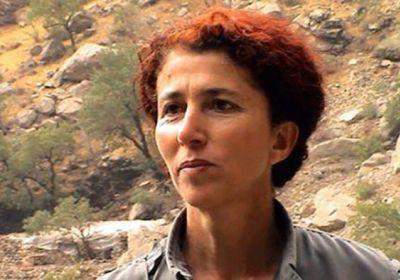
The day before the huge January 11 demonstration in Paris against the killings at the Charlie Hebdo office, another demonstration marked another set of killings in the French capital. On January 10, tens of thousands of Kurds and their supporters marched to mark the assassination two years earlier of three Kurdish women activists of the Kurdistan Workers Party (PKK) and to protest the French government’s foot-dragging on clarifying the truth about the crime.