
As in every vicious military offensive Israel carries out in Gaza, the dominant narrative is that it is a response to rocket fire from Gaza into southern Israel. This is how it’s being reported in the US, and this is how virtually every American understands it. And it is a lie.
-
-
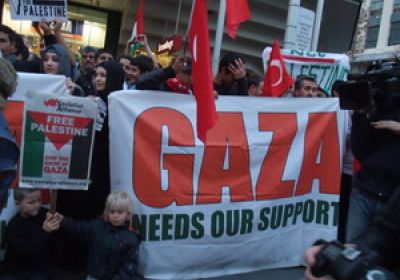
About 300 people rallied in Melbourne to stop Israel's bombing of Gaza on November 17. This week Israel launched a wide-scale attack on the densely-populated Palestinian Gaza Strip. Moreland Councillour Sue Bolton said "There have been three reactions to the bombing of Gaza: the first is by the Australian Government and corporate media, is victim blaming. Where the victim is blamed by the perpetrator. "It is shameful when the victim is blamed.
-
 This statement was released by Socialist Alliance on November 16. Click here for details of protest rallies against Israel's war across Australia *** “Civilians were the overwhelming majority of the more than 1400 people Israel killed in it’s 2009 assault on Gaza. Today, Israel is beginning another assault. A quarter of the Palestinians killed so far are children, including babies,” Sue Bolton, newly elected Socialist Alliance member of the Moreland City Council said.
 -
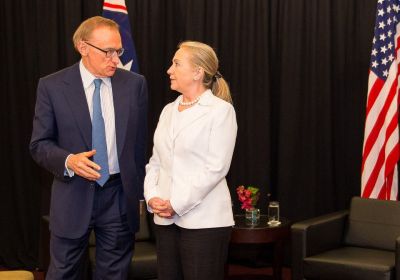 The Julia Gillard government has committed Australia to closer war ties with the US, more US bases and billions for US defence contracts at the annual AUSMIN talks in Perth on November 16. The Gillard government is well aware of the huge public opposition to the US-led wars in Iraq and now Afghanistan. It knows that a majority is critical of Canberra’s unquestioning policy of “all-the-way-with-Obama’s next wars”.
 -
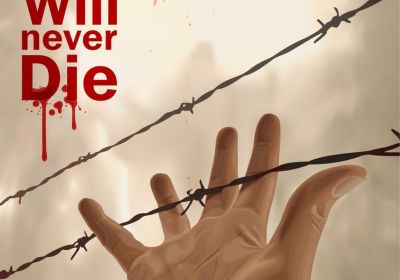
Israel has launched a fresh full-scale war on the besieged people of Gaza. The Palestine In My Eyes website is detailed the names and ages of those killed in Israel's latest bombardment. As of the morning of November 20, 108 Palestinians were listed as killed.
-
Messages of support for Julian Assange from some of the 300 people at Green Left Weekly's 'defend WikiLeaks' dinner in November 10. Special guest was passionate advocate Christine Assange, the mother of the WikiLeaks founder, who gives a warm message to her son.
-
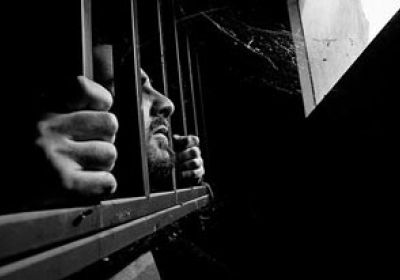 In 1999, I travelled to Iraq with Denis Halliday, who had resigned as assistant Secretary-General of the United Nations rather than enforce a punitive United Nations embargo on Iraq. Devised and policed by the United States and Britain, the extreme suffering caused by these “sanctions” included, according to Unicef, the deaths of half-a-million Iraqi infants under the age of five. Ten years later, in New York, I met the senior British official responsible for the imposition of sanctions. He is Carne Ross, once known in the UN as “Mr Iraq”.
 -
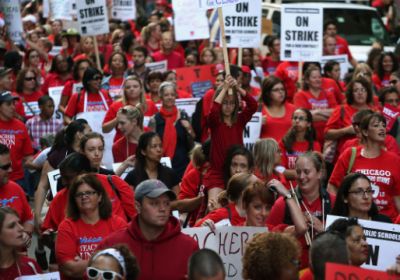 After Barack Obama was re-elected United States president for a second four-year term, US Socialist Worker published the editorial that is abridged below. * * * Barack Obama has won re-election, thanks to a strong turnout by the Democratic Party's core supporters in every place the president needed to win.
 -
This statement was released by WikiLeaks on October 25. * * * Starting on October 25, WikiLeaks begins releasing the ’Detainee Policies’: more than 100 classified or otherwise restricted files from the United States Department of Defense covering the rules and procedures for detainees in U.S. military custody.
-
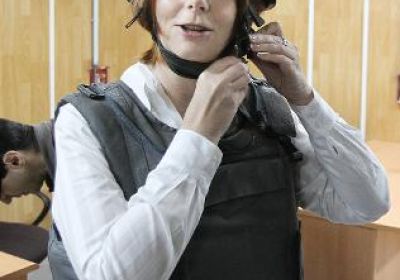 The Sydney Stop the War Coalition released the statement below on November 2. *** Prime Minister Julia Gillard made her annual report on the war in Afghanistan to an almost empty Parliament House on October 31. After 11 years, she insists that the International Security Assistance Force counter-insurgency strategy against the Taliban is “working” and the Afghan National Army is on track to take over security in 2014 — when the Western forces “leave”.
 -
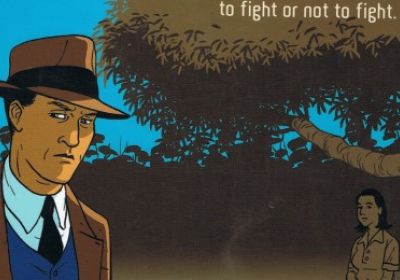 The Sacrifice By Bruce Mutard Allen & Unwin, 2012 Paperback, 252 pages I don't know about you, but Australia's World War II years are obscured in my mind by a melange of family reminiscences and ad hoc snippets of history. My parents were of the generation caught up in the war effort locally and offshore, so the family album began life with pics of folk in khaki. Us baby boomers were delayed sprogs of them days. But as far as I was concerned, and those of my generation, them days were their's not mine.
 -
Operation 8: Deep in the Forest Directed by Errol Wright & Abi King-Jones CutCutCut Films www.cutcutcut.com Operation 8 is an emotive, shocking, disturbing, informative and captivating documentary on the 2007 “anti-terror” raids that took place across in New Zealand targetting Maori activists. The film is essential viewing for indigenous peoples fighting for sovereignty, their supporters and activists in general.