
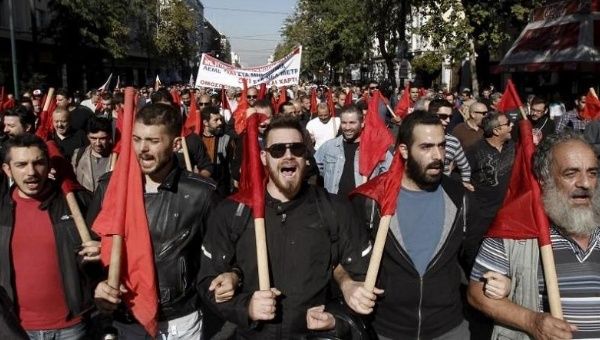
 Protesters from the PAME union take part in an anti-austerity march during a 24-hour general strike in Athens, November 12.
-
Protesters from the PAME union take part in an anti-austerity march during a 24-hour general strike in Athens, November 12.
-
 The US Environmental Protection Agency (EPA) revealed on September 18 that Volkswagen (VW) diesel engines had been fitted with software enabling them to flout US engine emissions standards for nitrous oxides. That has precipitated a crisis in one of the vital structures of world capitalism. A perfect storm is emerging, jeopardising the entire automotive/industrial/financial complex that propelled world capitalism from the end of World War II until recently.
 -
Remembrance Day is marked in Commonwealth nations on November 11 — to commemorate the end of the bloodbath that was World War I. As a commemoration of fallen soldiers, it is overshadowed in Australia by Anzac Day — but is a far bigger deal in Britain.
-
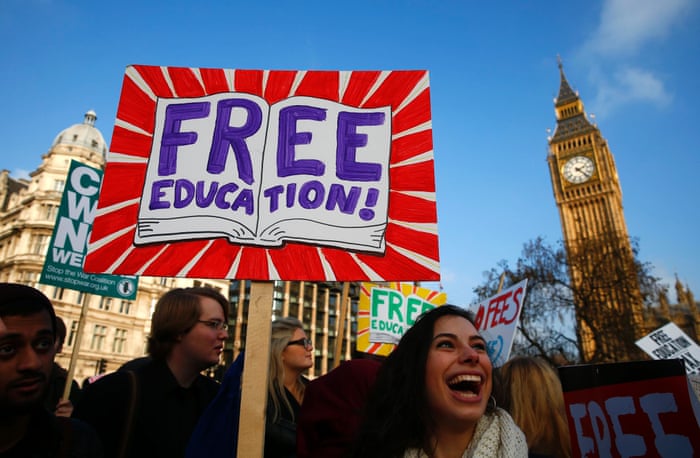 Labour's shadow chancellor John McDonnell threw his weight behind students who took to the streets on November 4 over Tory plans to cut maintenance grants and raise tuition fees.
-
 Peter Boyle speaking at World Kobanê Day rally, Sydney, November 1.
Peter Boyle gave this speech on behalf of Socialist Alliance at the Sydney rally for World Kobanê Day on November 1.
* * *
I am here to bring you greetings from the Socialist Alliance and the progressive newspaper Green Left Weekly.
Peter Boyle speaking at World Kobanê Day rally, Sydney, November 1.
Peter Boyle gave this speech on behalf of Socialist Alliance at the Sydney rally for World Kobanê Day on November 1.
* * *
I am here to bring you greetings from the Socialist Alliance and the progressive newspaper Green Left Weekly.
-
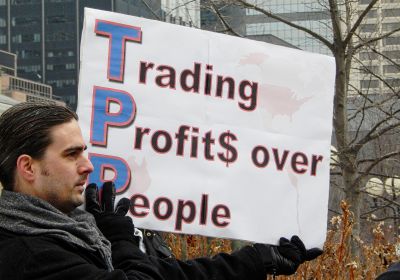 The text of the controversial Trans-Pacific Partnership — negotiated by 12 Pacific rim nations including Australia — was released on November 5 after a negotiating process shrouded in secrecy. The release of the much-guarded text of the deal has renewed calls for action to stop the TPP as a “toxic deal” and “disaster for democracy”.
 -
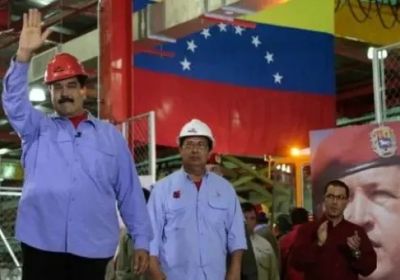
Venezuelan President Nicolas Maduro unveiled a series of economic measures on October 20 after the release of a new poll predicting a victory for the ruling United Socialist Party of Venezuela (PSUV) in December's parliamentary elections.
-

Red Rosa: A Graphic Biography of Rosa Luxemburg By Kate Evans Edited by Paul Buhle Verso Books, London, 2015, 220 pages $16.95. Order here Perhaps a new comic-book super hero is about to take the world by storm. An unlikely Frau Luxemburg, who transforms from a tiny and odd-looking outsider into the almost unstoppable Red Rosa — Revolutionary Scourge of the Oppressors.
-
 Photo: Fenaes.
A wave of popular protests and strikes rocked Paraguay on November 3 as popular discontent with the national government approached breaking point.
High school students, teachers, public transport workers and health sector workers held strikes and marches protesting government policies.
Photo: Fenaes.
A wave of popular protests and strikes rocked Paraguay on November 3 as popular discontent with the national government approached breaking point.
High school students, teachers, public transport workers and health sector workers held strikes and marches protesting government policies.
-
Thousands of trade union activists mobilised outside Parliament on November 2 to protest the Conservative government's proposed ultra-right Trade Union bill. The turnout defied expectations of the event’s organisers, the Trade Union Congress. Speaking at the lobby’s Central Hall rally, the Fire Brigade Union's Matt Wrack channelled the anger of his union’s rank-and-file. Unite's Len McCluskey reiterated his union's commitment to extra-legal action should the bill be passed, invoking the movement’s proud historic tradition of overriding unjust laws.
-
 In what could be a historic move for reparations, car manufacturer Volkswagen has opened dialogue with the Brazilian government to negotiate compensation for the German multinational’s support of Brazil’s 1964-’85 dictatorship. Volkswagen was among many private companies that backed Brazil’s military dictatorship financially and operationally. Corporate complicity was revealed by Brazil's Truth Commission that investigated dictatorship-era crimes against humanity.
 -
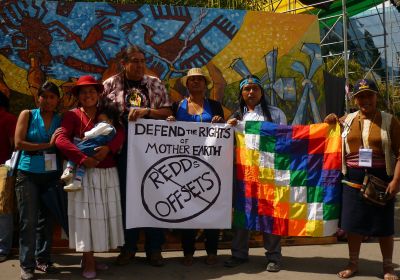
The Bolivian government's national contribution to the COP 21 climate talks scheduled to start in Paris on November 30 contains a series of radical proposals for safeguarding the future health of the planet, Euractiv.com said on October 14. Bolivia's contribution insists that capitalism is responsible for “consumerism, warmongering and [...] the destruction of Mother Earth”.