
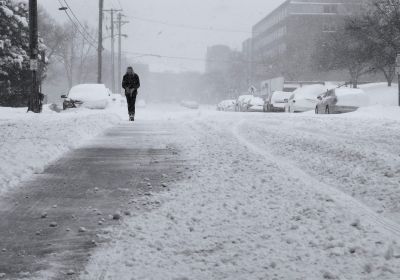
The severe Arctic blast and storms that hit the central part of the United States are another example of extreme weather due to climate change, writes Barry Sheppard.
The severe Arctic blast and storms that hit the central part of the United States are another example of extreme weather due to climate change, writes Barry Sheppard.

The government is crowing about the economic recovery. But when the pandemic supplement is cut at the end of March, people will be trying to survive on $43 a day. Graham Mathews reports.

Currency battles are a symptom of the race towards global inter-imperialist war, write Graham Drew and Kelvin McQueen
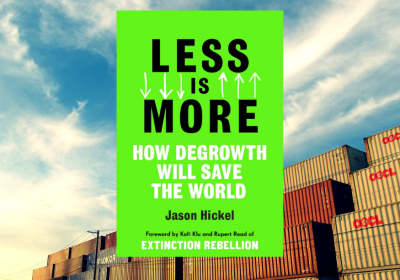
In Less is More, Jason Hickel has written a readable book that seeks to promote hope rather than doom in the era of the Anthropocene or, more appropriately, the Capitolocene, writes Hans Baer.

Last month's protests in Russia may have been sparked by the arrest of opposition figure Aleksey Navalny, writes Aleksandr Buzgalin, but they were mostly a mass response to the social and economic suffering of the people.
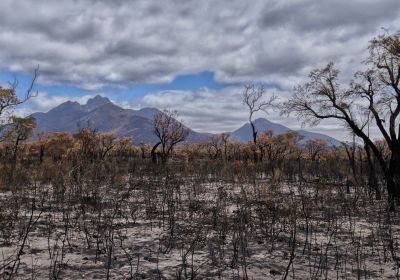
It may seem a surprise to learn that Australia’s sustainable development is currently ranked very low compared to other OECD countries, writes Patrick McDonald.
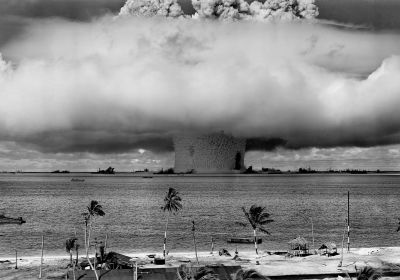
The Treaty on the Prohibition of Nuclear Weapons became international law on January 22 for the 122 states who signed the agreement in July 2017, writes Vijay Prashad.

Santiago Rising takes viewers to the streets of Chile’s capital city as the 2019-20 protests unfolded, introducing them to the social movements, protesters and people behind the rebellion, writes Federico Fuentes.

Indian farmers, who have been protesting for the past two months, have again made a stand against Prime Minister Narendra Modi’s agenda to privatise and corporatise the agricultural sector.

Federal Treasurer Josh Frydenberg is very upbeat about the economy, despite an official unemployment rate of 6.6% and a growing wealth divide. Peter Boyle investigates.

Pressures from the pandemic mean that the long-running Alfalfa House Community Food Cooperative is facing the prospect of having to close at the end of January, reports Pip Hinman.
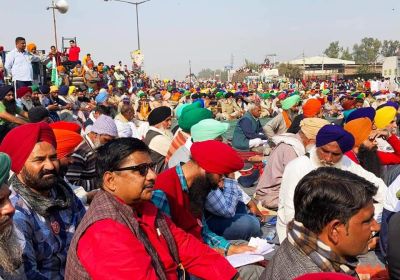
To increase the “ease of business”, India's government has committed to liberalisation, privatisation and globalisation, effectively throwing Indian workers and farmers under a bus.