
Israeli human rights organisation B’Tselem drew attention on October 10 to plans by the Israeli government to expel 27,000 Bedouin Palestinians living in what is known as “Area C” of the occupied West Bank.
Israel's Civil Administration is planning to expel the Bedouin communities living in Area C. In the first phase is planned for January. About 20 communities, involving 2300 people, will be forcibly transferred to a site near the Abu Dis rubbish dump, east of Jerusalem.
-
-
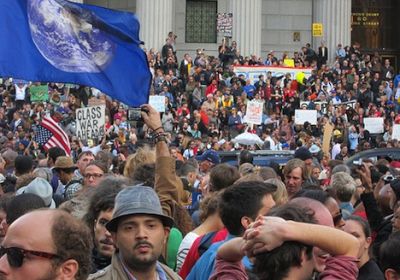
The occupy movement is spreading, and in more ways than one. It’s spreading across the globe — by October 11 occupytogether.org could boast of 1273 occupy events planned worldwide. But the movement, united under its slogan “We are the 99%”, is also reaching out to, and involving, other established social movements. Environmentalists and climate campaigners have linked up with Occupy Wall Street protests in New York. Hundreds of climate activists joined a 5000-strong march there on October 5. Their message was well received by other protesters.
-
Mothers and wives of Palestinian prisoners quickly gathered outside the office of the International Committee of the Red Cross (ICRC) in Gaza after a prisoner swap deal was announced on October 11 between Israel and Hamas. These women have not seen their loved ones, imprisoned by Israel, for five years. For the past five years, the families of 950 Palestinian prisoners from Gaza have been protesting weekly outside the ICRC’s headquarters, demanding their right to visit their sons, husbands and relatives inside the Israeli jails, a right denied to them by Israel.
-
The statement below was released by Socialist Alliance in Australia on October 14. * * *
-
 The world is rising up. When we look around the globe we see people in motion. Revolutions in the Middle East and North Africa against brutal dictators, the movements against austerity measures in Europe and Britain, democratic and indigenous revolutions in Latin America, and the Occupy Wall Street protests spreading across the United States. Resistance is in solidarity with all these movements for change.
 -
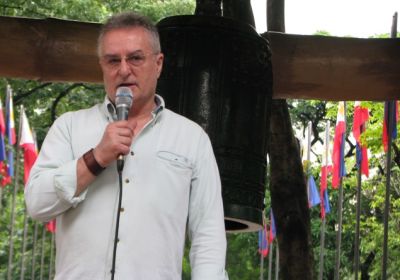 The secretary of the Communications Workers Union Victoria, Len Cooper, sent the letter below to the Occupy Melbourne community outreach working group on October 12. * * * Dear friends, I am writing on behalf of my union to endorse your call for real democracy. Today in the City of Boston, America, one of our sister unions, IBEW Local 2222, representing Boston telecom workers will read out a statement supporting the Wall Street and Boston occupations.
 -
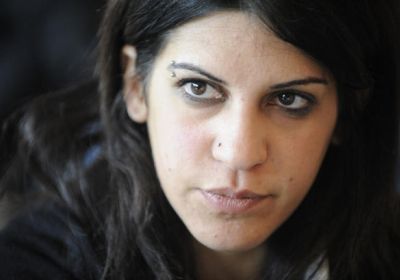 Lina Ben Mhenni, 27, is a Tunisian blogger and activist for freedom of speech, women’s rights and student rights. Her blog, A Tunisian Girl, was censored under Zine el Abidine Ben Ali’s regime. During the early days of the uprising against Ben Ali that started on December 17 last year, she travelled to the rural Tunisian cities of Sidi Bouzid, Regueb and Kasserine to document police repression and catalysing protests throughout the country.
 -
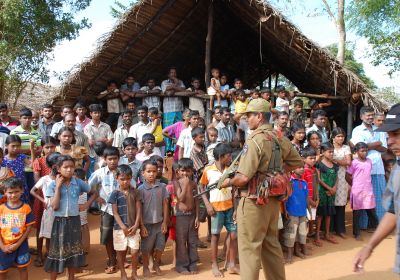 “We Tamils, inside and outside the island of Sri Lanka, still want an independent state,” Visuvanathan Rudrakumaran, prime minister of the Transnational Government of Tamil Eelam (TGTE), told me recently in New York. “And because the war crimes and severe brutality of the Mahinda Rajapaksa government against our people have become well known, our cause is being spoken about all over the world.”
 -
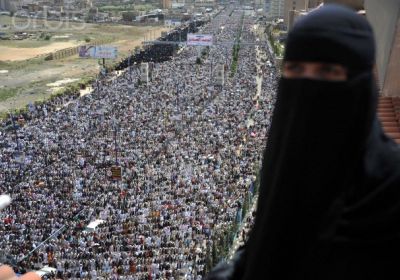 Pro-democracy protesters in Bahrain have gone on the offensive in the face of government repression and harsh sentences for activists arrested in the first wave of protests in February and March. Large protests began on September 23 against sham by-elections for Bahrain’s toothless parliament. Most people heeded the democracy movement’s call for a boycott — only about 17% turned out to vote, FT.com said on September 25. Police blocked attempts by protesters to reach the previous epicentre of the protests — the now-demolished Pearl Roundabout, known as Martyr’s Square by protesters.
 -
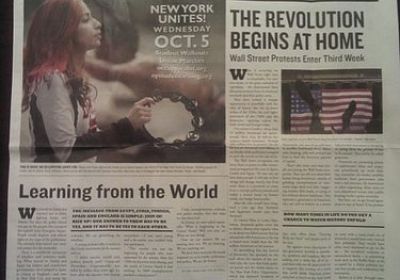 Inspired by the three-week-long Occupy Wall Street protest in New York, which has now spread to more than 100 cities across the US, ad-hoc activist coalitions in several Australian cities have called for similar occupations beginning on October 15. Wall Street-style occupations have been called for Sydney, Melbourne, Perth, Brisbane and Adelaide. By October 6, close to 1300 people had indicated on Facebook that they would attend the Melbourne event.
 -
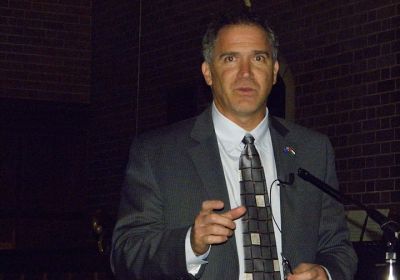
Israeli activist and author Miko Peled, currently touring Australia, is convinced that the Israel-Palestine conflict can be solved.
-
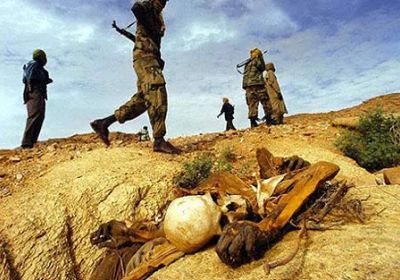 Two months after the secession of South Sudan, Khartoum’s ruling elite is making no retreat from the strategy that eventually forced the country’s division. This strategy includes marginalisation and neglect of the outlying regions; the forced imposition of Khartoum’s right-wing Islamic, pro-Arab agenda on Sudan’s culturally, linguistically and religiously diverse population; and brutal repression of dissent. The Sudanese Armed Forces (SAF) is waging wars on several fronts, from Darfur in the west to the states along the new southern border.