-
In 1939, as Europe stood on the verge of all-out war, Nazi Germany, true to their promise, had issued and implemented 400 different decrees for the regulation of the public and private lives of Jews. Their properties were confiscated, and their businesses and synagogues were burned down. These laws effectively purged Jews from schools, academia, business and public life, and declared them “undesirables”. Many Jews were forced to seek asylum in other Western countries. -

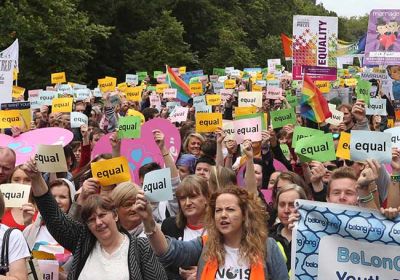
Celebrating referendum victory in Dublin. Photo: An Phoblacht.
As most of Ireland celebrates marriage equality – passed overwhelmingly in a May 22 referendum - the six counties in its north carved off and still claimed by Britain remain excluded.
-
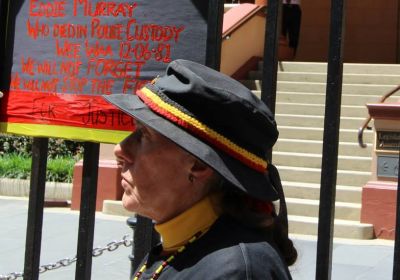
A 59-year-old Aboriginal man died in Darwin on May 21 while being held under controversial new “paperless arrest laws”. These laws give police the powers to arrest people for summary offences — such as “obscenity”, undue noise, offensive language — and hold them for up to four hours at a time. In NSW, a program that has been proved to prevent Aboriginal deaths in custody has lost funding under the federal government’s ironically named Indigenous Advancement Strategy. -
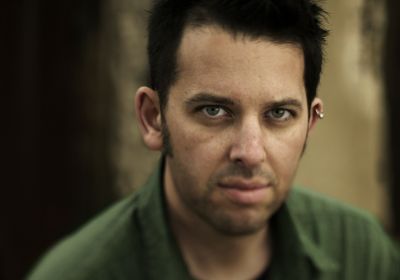
Independent journalist and author Antony Loewenstein has made a name for himself writing about war crimes, human rights abuses and corporate profiteering. For the first time, he is seeking to speak truth to power through the medium of film — with his first documentary Disaster Capitalism now in production. You can see a teaser at Loewenstein's website. You can visit http://antonyloewenstein.com for more details on his articles and books. -
Celebrations and street parties broke out across Ireland after the success of the May 22 referendum to legalise same-sex marriages. “Same-sex couples could be married in Ireland by the end of the year after a referendum described as a 'social revolution' solidly backed equal rights,” the Morning Star said on May 25.
-
Britain's May 7 general elections, in which the Conservative Party won an outright majority, produced a couple of silver linings on a very large black cloud. One was the success of the Green Party of England and Wales. While the party did not sweep into Westminster, it made progress politically and in terms of votes.
-
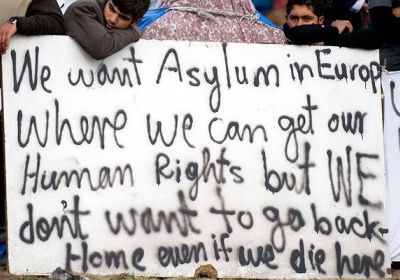
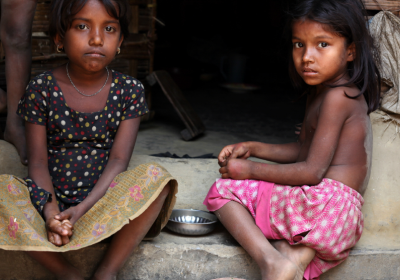
More than 300 migration experts and academics have condemned the European Union's plan of military intervention against the surge of smuggling boats heading to Europe across the Mediterranean Sea. The academics’ strong condemnation of the plan comes after Italian Prime Minister Matteo Renzi compared the current migrant crisis to the 18th and 19th century slave trade. In a recent article for the New York Times, he wrote that “human traffickers are the slave traders of the 21st century, and they should be brought to justice”. -
A new popular uprising has started in Peru at the port of Callao, crucial for international trade and the handling of the majority of the country’s seaborne cargo. After 10 months of unresolved negotiations with transnational company, APM Terminals Peruvian longshore workers from the port of Callao, west of Lima, decided to take to the streets and march. This latest demonstration follows an earlier strike against the company on May 13, with workers demanding pay rises in relation to the company's profits, full healthcare coverage, and training. -
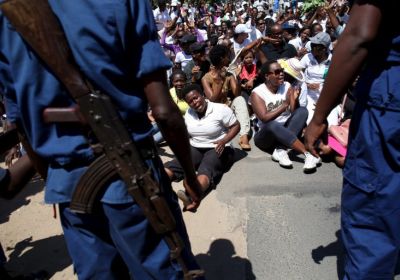
Burundi's embattled President Pierre Nkurunziza agreed on May 20 to postpone parliamentary elections, but refused to change the date of the presidential vote. Parliamentary and local elections were moved back from May 26 to June 6. However, the contentious presidential vote remains scheduled for June 26.
-
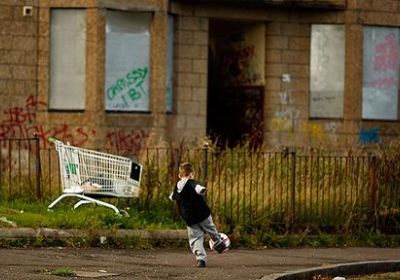
“Almost a third (33%) of the UK population - 19.3 million people - fell below the official poverty line at some point between 2010 and 2013, according to figures released by the Office for National Statistics,” the Press Association reported on May 20. The article said “The ONS records someone as being in poverty if they live in a household with disposable income below 60% of the national average, before housing costs. Persistent poverty is defined as being in poverty in the current year and at least two of the three preceding years. -
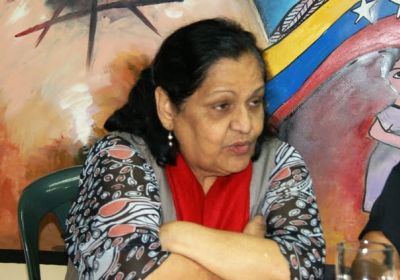
Condolences and tributes to legendary revolutionary and champion of women’s rights Nora Castaneda have been pouring in from across Venezuela after news of the activist’s death on May 16. An economist, university lecturer and much-loved revolutionary, Castaneda is renowned for having founded and presided over Venezuela’s internationally celebrated Women’s Development Bank, “Banmujer” since 2001. She was also one of the chief protagonists of Venezuela's working-class women’s movement that emerged in the 1980s. -
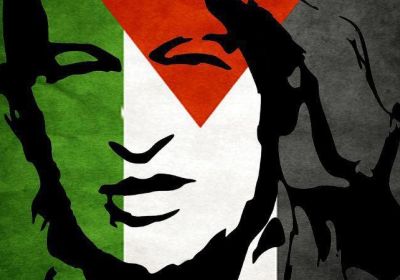
Palestinian Authority (PA) foreign minister Riyad al-Maliki has described Venezuela as “Palestine's most important ally”, Venezuelanalysis.com said on May 19. Al-Maliki made the comments while in Caracas for bilateral talks with Venezuela's socialist government.