Remembrance Day is marked in Commonwealth nations on November 11 — to commemorate the end of the bloodbath that was World War I. As a commemoration of fallen soldiers, it is overshadowed in Australia by Anzac Day — but is a far bigger deal in Britain.
-
-
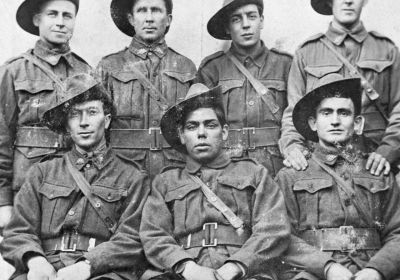
We have been assaulted by a massive celebration of 100 years since the landing at Gallipoli on April 25. This is partly due to the success of the protests at the 200th anniversary celebration of the January 26, 1788 First Fleet landing at Sydney Cove. There have been many protests on January 26 since then, undercutting and besmirching Australian nationalism. -
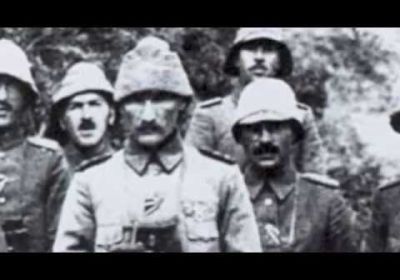
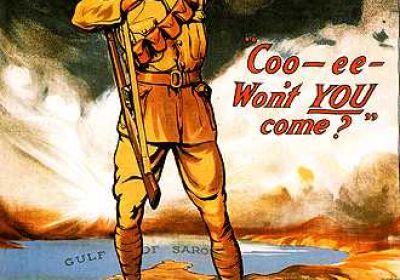
In their short documentary released just ahead of the 100th anniversary of the ANZAC's ill-fated Gallipoli campaign, John Rainford and Peter Ewer have captured the strategic and tactical blunders that led to the deaths of so many in the 1915 Dardanelles Campaign, and the social and economic context in which it was fought.
-
Socialists and World War I: Turn the imperialist war into a civil war It has been 100 years since the outbreak of the First World War. The centennial of the “war to end all wars” has had countless commemorations … Yet missing from all of the observances of the war are the deeper questions of its causes —divide colonies among predatory ruling classes – and the heroism of those who opposed the mass slaughter. European Greens: 'We want to cooperate with the new Greek government' -
The Tony Abbott government has recently been at pains to emphasise that it is “protecting” the community from Australian-born “jihadists” returning from participation in conflicts in the Middle East. Having learned the tools of the terrorist trade in zones of sectarian strife, they argue, these “extremists” might well embark on a campaign of politically-motivated civil slaughter in this country. Citing this as a motivating factor, the Department of Foreign Affairs and Trade has recently cancelled several Australian passports.