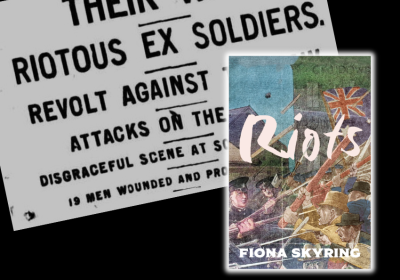
After World War I, soldiers returned to an Australia deeply divided by class, religion and social and political issues. Alex Salmon reviews a new book uncovering more of the hidden history of social upheaval.
After World War I, soldiers returned to an Australia deeply divided by class, religion and social and political issues. Alex Salmon reviews a new book uncovering more of the hidden history of social upheaval.
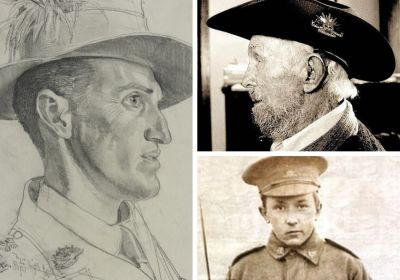
The symbolism of the Anzac Day legend from the very start has always obfuscated and minimised the truth of the 20th century wars, writes James Wyner.
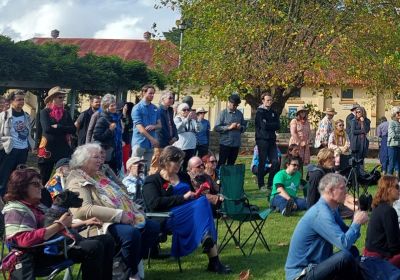
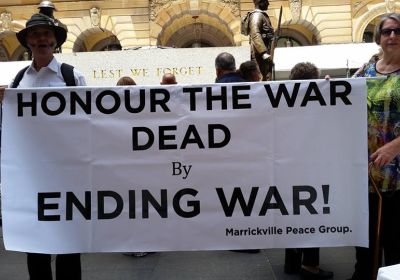
An alternative ANZAC day ceremony had a focus on peace not militarism. Renee Lees reports.
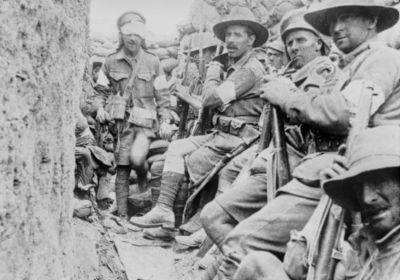
The tradition of ANZAC has done nothing to make Australian cautious, reflective and wise in sending troops to war, argues Binoy Kampmark.
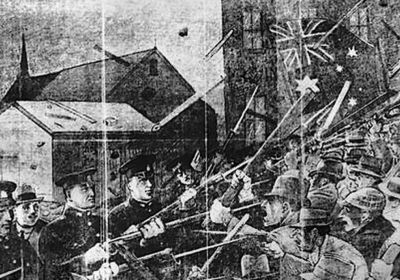
One hundred years after the Red flag Riots, Jim McIlroy looks at the polarisation after World War I, in which far-right aggression was incited by governments and “respectable” political forces.