
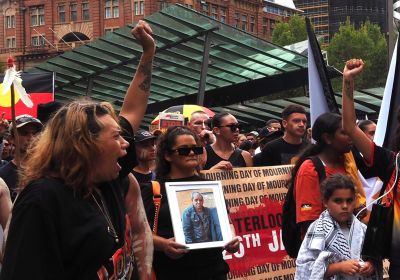
Tens of thousands of people protested around the country on Invasion Day. Here are some of the reasons why.
Tens of thousands of people protested around the country on Invasion Day. Here are some of the reasons why.
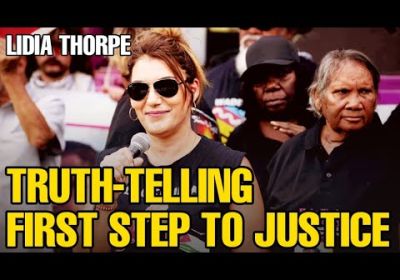
Djab Wurrung Gunnai Gundjitmara woman and independent Senator Lidia Thorpe spoke to Chloe DS on the latest episode of the Green Left Show about resisting racism, the importance of truth-telling and Labor and Liberal’s refusal to deliver justice for First Nations people.
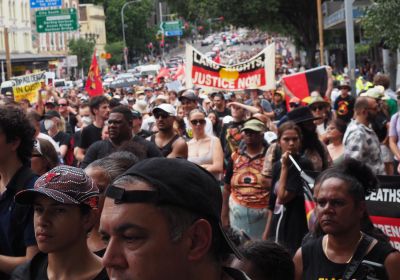
It is no exaggeration to say that whether Dutton wins or loses, his racist campaign is already harming people, argues Peter Boyle.
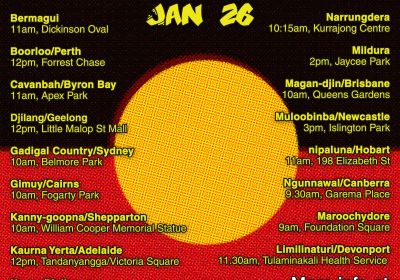
Find out where and when to join protests across the country on Invasion Day.
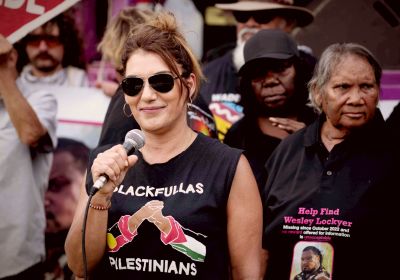
Independent Senator Lidia Thorpe told Isaac Nellist and Chloe DS that the major parties are in a “race to the bottom” on policy for First Nations peoples and that Labor has “delivered nothing”.
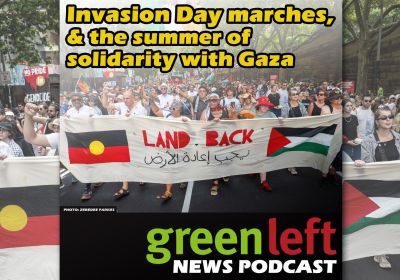
Green Left journalist Isaac Nellist goes through the latest news from across the continent and around the world.
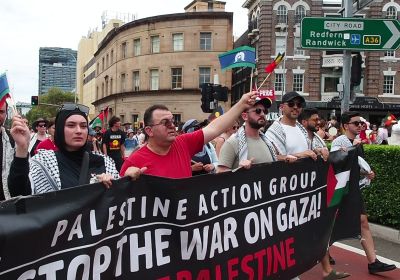
Strong First Nations-Palestinian solidarity was a prominent feature of the 2024 Invasion Day march on Gadigal Country on January 26. Peter Boyle reports.
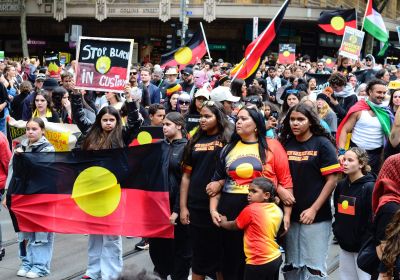
Huge numbers in many cities at the January 26 Invasion Day rallies demonstrated that the movement for First Nations rights has not been demoralised by the ‘No’ vote in last year's Voice referendum. Alex Bainbridge reports.
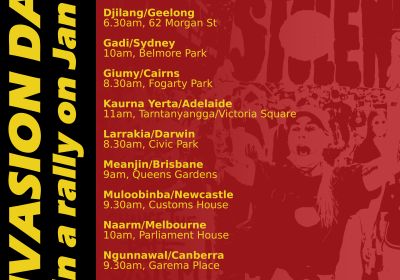
Join your nearest Invasion Day protest happening this January 26.
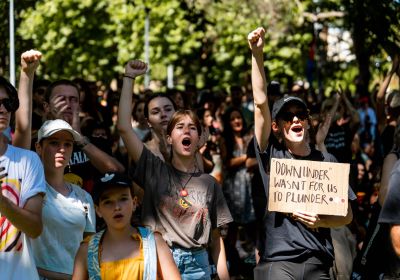
A deceitful historical narrative, at best, dismisses the systematic dispossession and genocide of First Nations peoples as being in the distant past. It isn't and it needs to be stopped, argues Peter Boyle.

Episode 1, February 3, 2023. Ben Radford and Isaac Nellist host a new Green Left news podcast featuring the latest news from Australia and around the world.

For many young people, the fact that modern Australia emerged from a colonial-settler society founded on the violent dispossession of First Nations peoples is a self-evident fact. Sarah Hathway and Sam Wainwright comment on a significant political shift underway.