

Workers are being told that a pay rise to match inflation will hurt the economy and “fuel” inflation. William Briggs takes issue with those arguments.
Workers are being told that a pay rise to match inflation will hurt the economy and “fuel” inflation. William Briggs takes issue with those arguments.

ABC’s Australian Story rehashed the billionaire philanthropy trope in its episode about the second-richest person in Australia, Andrew "Twiggy" Forrest. Peter Boyle reports.
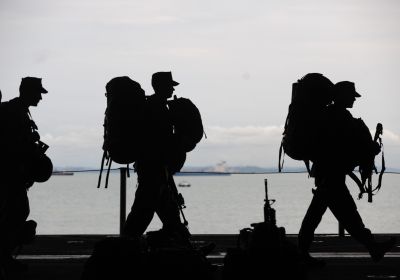
War and climate change are linked: one cannot be solved without solving the other, and neither can be resolved by capitalism. Because this is all too obvious, William Briggs argues a lot of time and effort is spent on obscuring the truth.
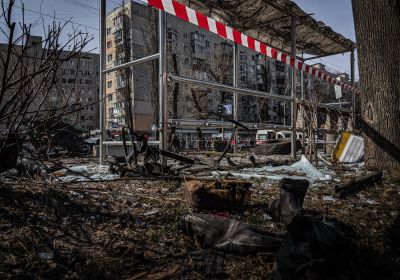
Anastasia Shevchuk, a Ukrainian-Australian gave this address to a Sydney Stop the War Coalition protest against Russia’s war on Ukraine on March 6.
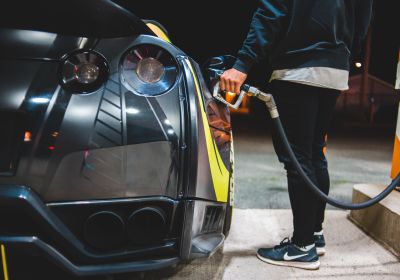
Major multinational corporations such as Shell and BP have made much of cutting ties with Russia. The publicity value has been significant, but it has a hollow ring to it, argues William Briggs.
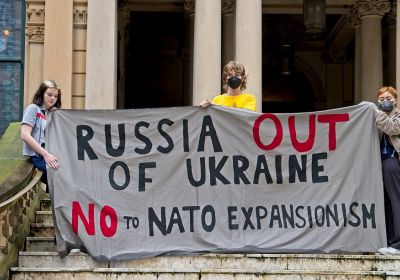
The mass media plays a big role in reinforcing prejudices and limiting capacity for independent thought, argues William Briggs. It is happy to condemn Russia's war on Ukraine, as it should, but it downplays US and NATO's meddling and provocations.

The drive to demonise China is tied to the crisis-ridden nature of capitalism. Capitalist China has been both friend and enemy, depending on the state of play within the global economy. William Briggs reports.

PM Scott Morrison said Australia would achieve net zero by 2050 ‘the Australian way’. It is pure spin, argues Petrina Harley.
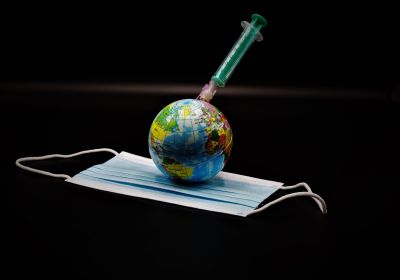
There was no altruism in the speed in which pharmaceutical companies developed successful vaccines. The very future of capitalism relied on science’s ability to keep the wheels turning, argues William Briggs.

Asia’s billionaires have increased their wealth by 74% while 148 million others in the region have been pushed into poverty since the start of the COVID-19 pandemic, writes S Arutchelvan.
Thirty years since the collapse of the Soviet Union and the end of the Cold War the promised peace and harmony has been illusive, writes William Briggs.

The COVID-19 catastrophe presents a challenge of planetary proportions. You would expect it would elicit a response drawing on all our skills, compassion and collective resources. But Andrew Smart argues we are seeing the opposite.