

The right to abortion became a deciding factor in limiting the predicted Republican “sweep” in the United States midterm elections, writes Barry Sheppard.
The right to abortion became a deciding factor in limiting the predicted Republican “sweep” in the United States midterm elections, writes Barry Sheppard.

The Daniel Ortega regime treats its jailed opponents as badly or worse than the Somoza family dictatorship, brought down by the Sandinista National Liberation Front in 1979, writes Dick Nichols.

Hundreds of thousands took to the streets calling for the overthrow of the military junta, in at least 19 cities and towns across Sudan, marking one year since the military coup. Pavan Kulkarni reports.

Marine Le Pen’s party has had a series of successes and is hoping to build further in coming months. Determined opposition will be crucial, writes John Mullen.

The Honduran army and national police converged on a Garífuna community in Punta Gorda — on the island of Roatán — on November 7, violently evicting residents, reports Ana Zorita.

Many Malaysian progressives were outraged and dismayed at the decision by opposition coalition Pakatan Harapan to exclude the Socialist Party of Malaysia from an electoral pact, reports Peter Boyle.

The Kurdish-led administration in North and East Syria hit back after Sweden’s foreign minister implied he would distance his country from the self-governing region in order to appease Turkey, reports Medya News.
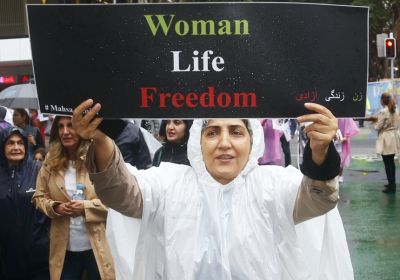
Various Ukrainian feminist activist groups and NGOs have signed a statement expressing their solidarity with the Iranian uprising.
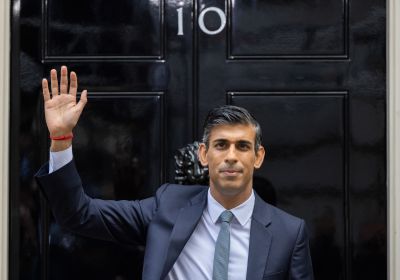
British Prime Minister Rishi Sunak’s coming to power is a perfect statement of the leader estranged and continentally distant from voters, writes Binoy Kampmark.

Before his death, Filep Karma was considered the one West Papuan leader who could pull together the splintered factions seeking self-determination and independence, writes David Robie.
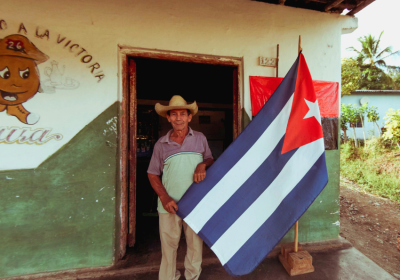
For the 30th year in a row, the United Nations General Assembly overwhelmingly condemned the United States’ embargo on Cuba and called on Washington to end its wide-ranging punitive sanctions, reports Ian Ellis-Jones.
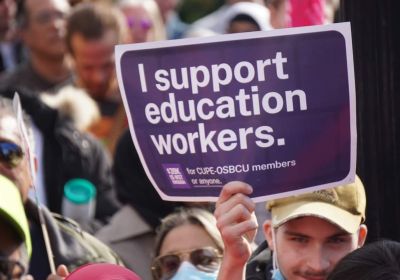
Education workers walked off the job in protest at the Conservative Ontario government's new union-busting legislation, which is designed to undermine the right to strike, writes Jeff Shantz.