Socialist councillor Sue Bolton argues that listening to, and working with, affected communities is critical for any government wishing to stop the spread of the coronavirus pandemic.
Victorian premier Daniel Andrews says there was no handbook for dealing with the Melbourne towers outbreaks. But local and international experiences in containing the COVID-19 pandemic prove this outbreak could have been avoided — and should never have ended up being handled like this, writes Fred Fuentes.
The Independent and Peaceful Australia Network has condemned the federal government's plans to spend billions to be a loyal deputy sheriff to the United States in the Asia-Pacific region, writes Vince Scappatura.
Young people, who have only ever had insecure casual jobs, face a very precarious future, writes James Swift.
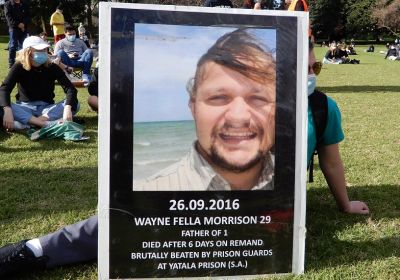
Caroline Andersen speaks about her family’s struggle for the truth regarding her son Wayne 'Fella' Morrison's 2016 death in the custody of Corrective Services South Australia.
Bega Valley residents who survived the Black Summer bushfires in Cobargo and surrounds say the major parties are still in a sort of denial about climate change and drought, reports Sue Bull.
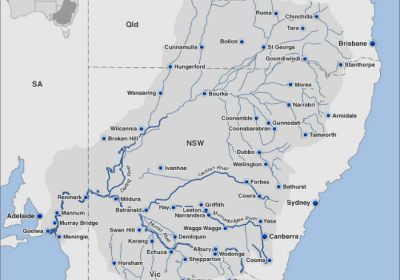
Even at 85 year's old, Ngiyaampaa elder Dr Beryl Carmichael or Yungha-Du is still fighting for the rights of her people and country, writes Mark Merritt.
Victorian Labor's hard lockdown of residents in public housing estates works against its purported goal and feeds racism against migrant communities, argues Sue Bolton.
Sue Bolton slams the Herald Sun for its reactionary commentary blaming migrants for the COVID-19 spread in Victoria while ignoring bosses who are not taking the pandemic seriously.
Australian feminist and socialist activist Coral Wynter was among the speakers at a protest to condemn Turkey’s murder of women activists in Kobane, in north-east Syria/Rojava.
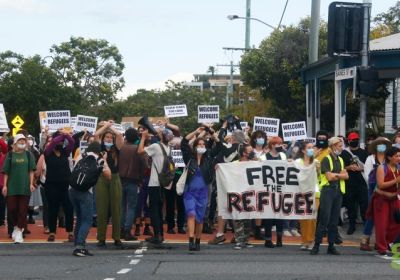
Bipartisan mistreatment of refugees since 2001 has been a key feature of politics in Australia. But the movement for refugee rights has won some concessions and it could win more, writes Alex Bainbridge.