-
-
-
-
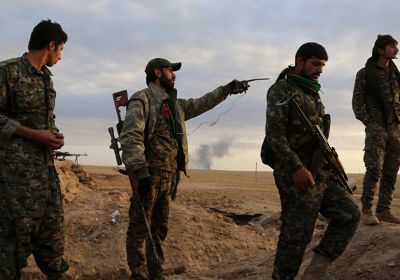
Raqqa, the de facto ISIS capital in Syria, is on the verge of falling. The rapid advance of the left-wing Syrian Democratic Forces (SDF) since they entered the city on June 6 contrasts with the slower advance of forces of the Iraqi and Iraqi Kurdistan governments in Mosul, the ISIS capital in Iraq, which the pro-government forces entered in February.
However, the June 18 downing of a Syrian fighter jet by a US war plane, after the former attacked SDF positions near Raqqa, is just one indication that eliminating ISIS will not end the violent multi-sided war in Syria that spawned it.
-
-
The Cuban government issued a statement on June 16 in response to US President Donald Trump’s announced change of policy toward the socialist-run island, reasserting the country’s sovereignty.
In a speech that day in Miami, Trump said he will cancel former President Barack Obama’s "completely one-sided deal with Cuba."
-
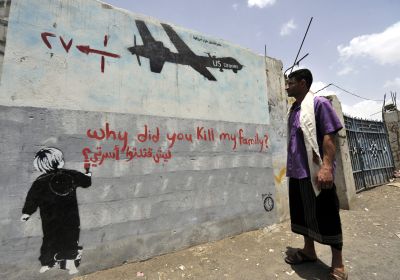
Under President Barack Obama, the US acknowledged killing between 2867 and 3138 people in strikes in countries like Somalia, Yemen and Pakistan.
In the waning days of his presidency, Obama took some steps to improve transparency about drone strikes, including providing the total estimated death toll. However, a new report by the Columbia Law School Human Rights Clinic and the Sana’a Center for Strategic Studies says that the US is still lagging in providing a full accounting of its drone program.
-
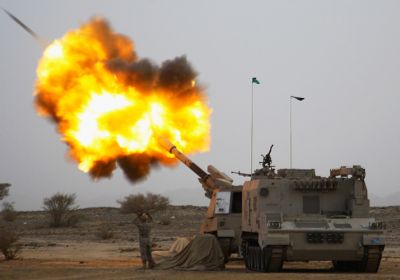
The US Senate voted on June 13 to approve a widely criticised $500 million sale of precision-guided munitions to Saudi Arabia, narrowly beating back a bipartisan effort to block the deal.
The final tally was 53-47 in favour of the sale, which is just part of a massive $100 billion arms package.
-
-
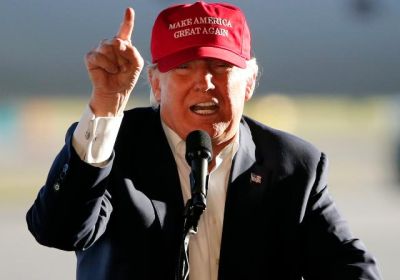
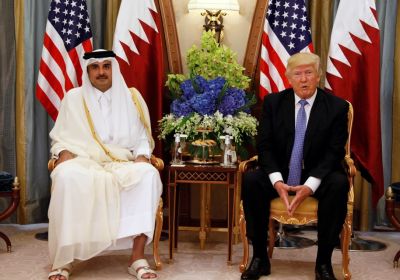
Recent weeks have brought to the fore two main issues concerning US President Donald Trump.
The first was his doubling down on one central theme of his election campaign — economic nationalism. This was found in his charge that most of the rest of the world is somehow “exploiting” the United States — and he will fight back.
The second is his drive to establish himself as an authoritarian president, the “strongman” who can take on the dysfunction in the two capitalist parties that dominate US politics.
-
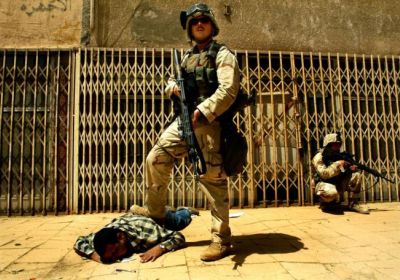
David Kilcullen operates in the post-structural, morally grey nether world that neoliberalism has created. Not quite a mercenary — but not much better — he slides between being an Australian soldier, a top-level civilian strategic thinking adviser to the US military, a “security consultant” and an academic.
-
United States
United States