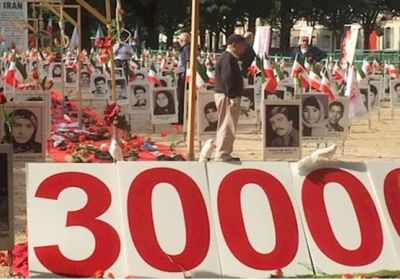
Members of the Iranian-Australian community are calling on Australia to support their struggle for justice for the more than 30,000 Iranian political prisoners who were massacred in 1988, writes Mohammad Sadeghpour.
Members of the Iranian-Australian community are calling on Australia to support their struggle for justice for the more than 30,000 Iranian political prisoners who were massacred in 1988, writes Mohammad Sadeghpour.
A reporter recently told US President Donald Trump he had a moral responsibility to help Iran as it is hit by the new coronavirus. No mention was made about Venezuela. Why Iran and not Venezuela? Steve Ellner explains why.
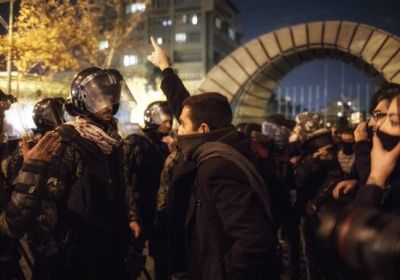
The following statement, translated by Farhang Jahanpour, was issued by students taking part in a protest at the Amirkabir University of Technology in Tehran on January 12. The protest followed the downing of Ukraine Flight 752 by Iranian Air Defence Unit anti-aircraft missiles on January 8 and violent attacks on protesters at the funeral of Iranian military leader Qasem Soleimani, who was assassinated in Iraq by the United States in a military strike on January 3.
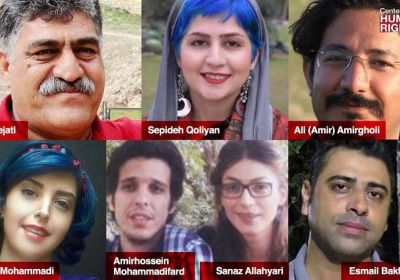
Union leader Esmail Bakhshi, student and civil rights activist, Sepideh Gholian, and four activist journalists were sentenced to long prison sentences by the Iranian regime on September 7.
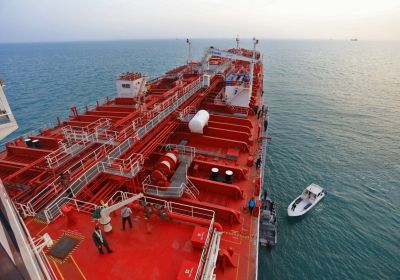
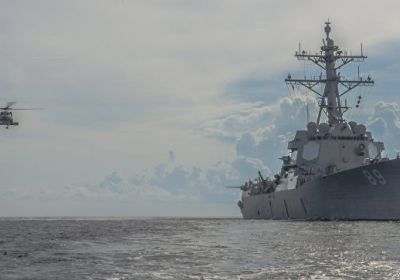
The United States and Britain are ensuring that tensions remain high in the Straits of Hormuz as they continue beating the drums of war against Iran.

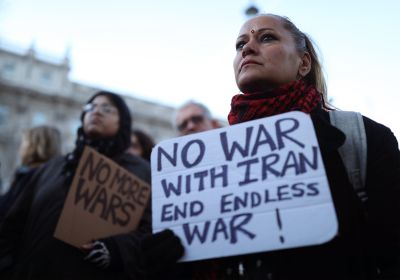
It is supposedly in our name that the PM would send Australians to kill and die in Iran. A war there would almost certainly result in a catastrophe that would compound and eclipse the regional destabilisation caused by the US and Australia during the invasion of Iraq and the ongoing war in Afghanistan, writes Hector Ramage.
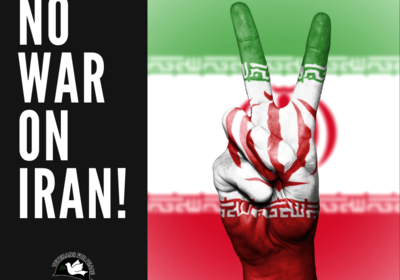
A range of US policies have been deliberately designed to provoke an Iranian response, writes Phyllis Bennis.