-
-
The Cuban Revolution has created international ripples ever since its military victory on January 1, 1959. The United States was quick to recognise the threats to its dominance in Latin America and set out to crush the rebel regime.
-
Bolivian President Evo Morales has rejected the United States economic blockade imposed on Cuba, as well as President Donald Trump’s decision to backtrack on the normalisation of diplomatic relations with Havana.
In a public letter sent to his Cuban counterpart Raul Castro, Morales repeated his nation’s “unconditional support and solidarity” with the Cuban Revolution and the “most heroic people of the continent”.
-
The article below is based on a talk by Felipe Stuart Courneyeur to the Canada-wide convention of the Canadian Network on Cuba, in Toronto in June.
Courneyeur has dual Nicaraguan-Canadian nationality; he divides his time between the two countries. He is an active member of the Sandinista National Liberation Front (FSLN). The article is abridged from johnriddell.wordpress.com.
-
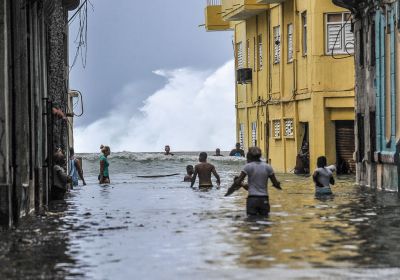
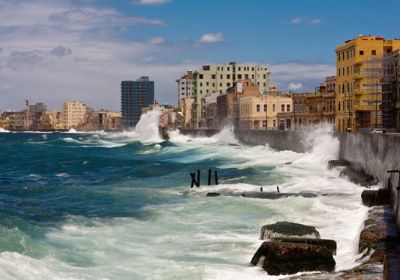
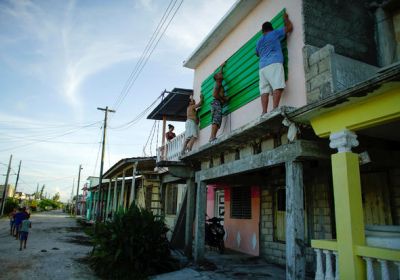
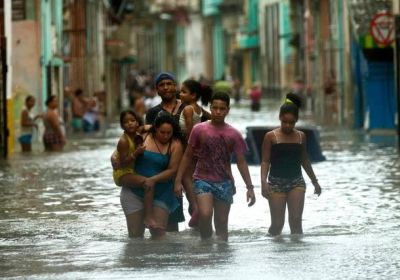
Cuba’s Council of Ministers approved “Life Task” (Tarea Vida) on April 25, a plan for confronting climate change.
It is the latest manifestation of Cuba’s sustained endeavour to contain the impact of climate change. The Cuban government has dedicated resources and talent to the project for many years. Policymakers have relied on facts, data, and ongoing research.
-
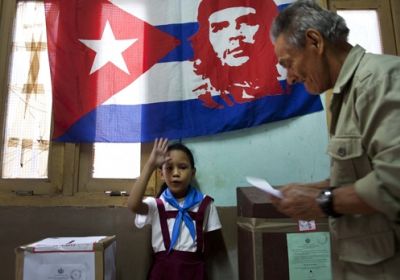
The Cuban Council of State has called for the holding of general elections to decide delegates to both municipal and provincial assemblies, and to choose deputies to the National Assembly of People's Power.
According to the Cuban newspaper Granma, the first round of elections for municipal representatives will be held on October 22, and the second round runoff for candidates who have not obtained at least 50% of the vote will be held on October 29.
-
Cuba defended its sovereign right to grant protection and asylum to US dissidents, civil rights fighters and persecuted persons, rebuffing the demand of US President Donald Trump that the Caribbean nation return so-called US "criminals" to the country as a precondition for the resumption of neighbourly relations between the long-time foes.
“In tune with the national legislation and international law, and Latin America's tradition, Cuba has granted political asylum or refuge to civil rights fighters from the United States,” Cuban Foreign Minister Bruno Rodriguez stated at a Havana press conference on June 19.
-
The Cuban government issued a statement on June 16 in response to US President Donald Trump’s announced change of policy toward the socialist-run island, reasserting the country’s sovereignty.
In a speech that day in Miami, Trump said he will cancel former President Barack Obama’s "completely one-sided deal with Cuba."
-
-
-
-
Cuba
Cuba