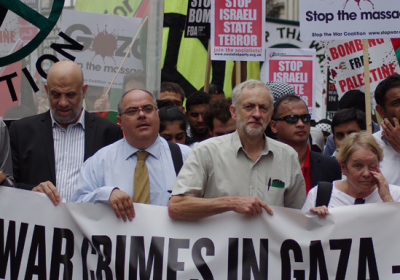
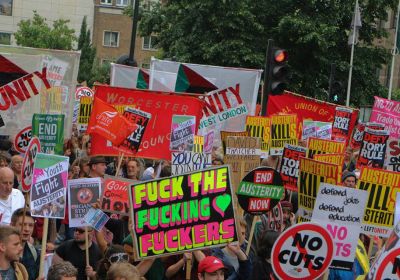
Private polling shows veteran left-wing Labour MP Jeremy Corbyn, who takes a strong stand against austerity and has a history of backing supporting popular movements, ahead in the first round of voting, the New Statesman said on July 15.
The New Statesman said the success of Corbyn's campaign surprised observers. Corbyn collected 40 nominations from local parties, just eight less than the bookmakers' favourite, Andy Burnham.


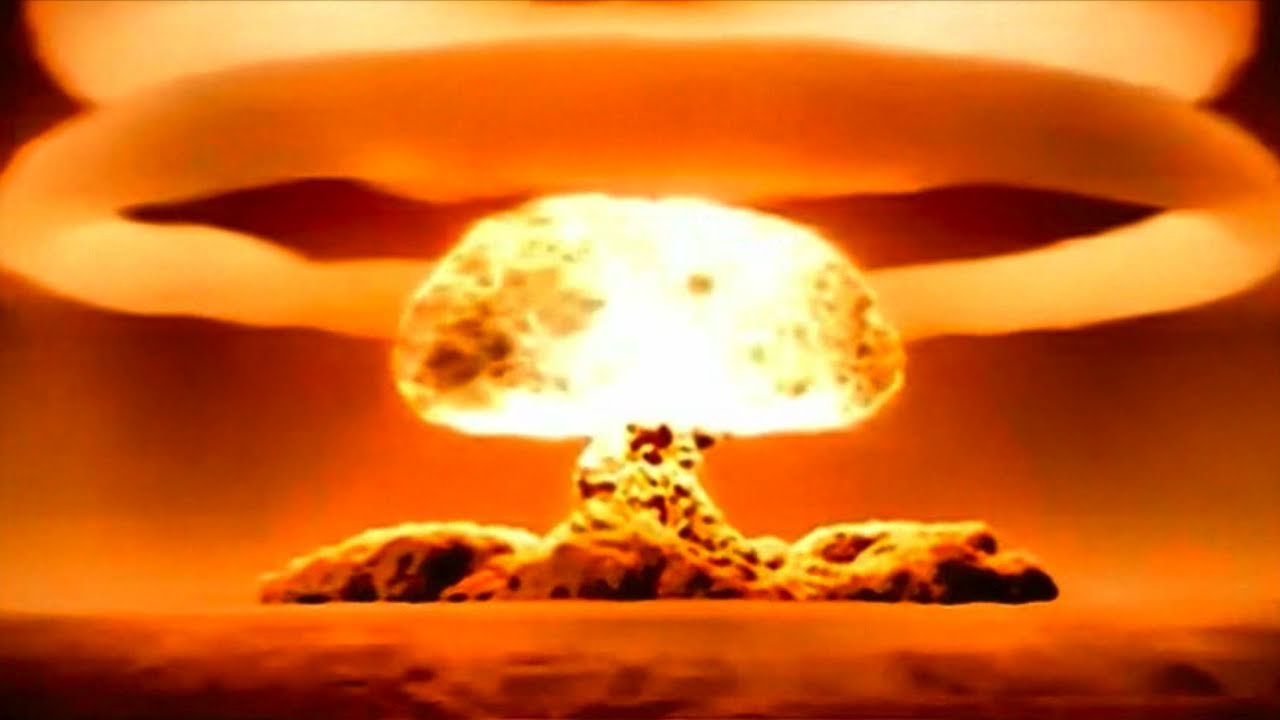 British submariner William McNeilly went on the run after he released confidential information about Britain's Trident nuclear weapons program on May 12. He was detained by police after returning to Scotland on May 18.
McNeilly had been in hiding after he wrote and released an 18 page document highlighting a “disaster waiting to happen”. The British defence ministry said he was being held in a secure military base.
British submariner William McNeilly went on the run after he released confidential information about Britain's Trident nuclear weapons program on May 12. He was detained by police after returning to Scotland on May 18.
McNeilly had been in hiding after he wrote and released an 18 page document highlighting a “disaster waiting to happen”. The British defence ministry said he was being held in a secure military base.

 CR gas was used to quell rioting in Long Kesh jail in October, 1974.
Papers from 1976 obtained by the Observer under freedom of information laws show that the use of ‘CR’ or Dibenzoxazepine — a skin irritant 10 times more powerful than other tear gases — was permitted from 1973 to be used on Irish republican prisoners.
CR gas was used to quell rioting in Long Kesh jail in October, 1974.
Papers from 1976 obtained by the Observer under freedom of information laws show that the use of ‘CR’ or Dibenzoxazepine — a skin irritant 10 times more powerful than other tear gases — was permitted from 1973 to be used on Irish republican prisoners.
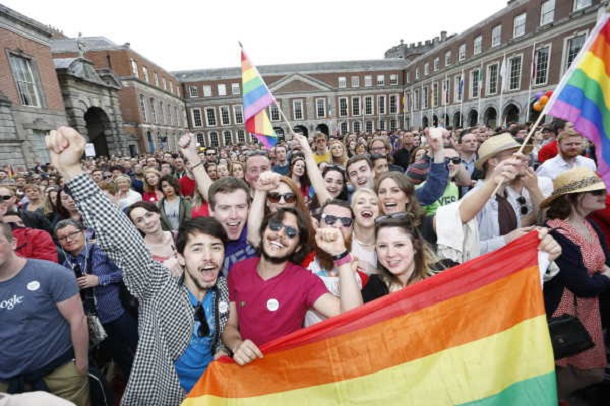 Celebrating referendum victory in Dublin. Photo: An Phoblacht.
As most of Ireland celebrates marriage equality – passed overwhelmingly in a May 22 referendum - the six counties in its north carved off and still claimed by Britain remain excluded.
Celebrating referendum victory in Dublin. Photo: An Phoblacht.
As most of Ireland celebrates marriage equality – passed overwhelmingly in a May 22 referendum - the six counties in its north carved off and still claimed by Britain remain excluded.