
-
-
 More than 2 million Bolivians have been lifted out of extreme poverty in the past decade since President Evo Morales's government came to power. Bolivia's economy is on course to grow by 5% this year, placing it among the top performers in Latin America. It is one sign of Bolivia's rapid economic transformation. Another indicator is falling poverty rates. When Morales took office in 2006, the rate of extreme poverty was 38.2%. This year, the figure is 16.8%.
 -
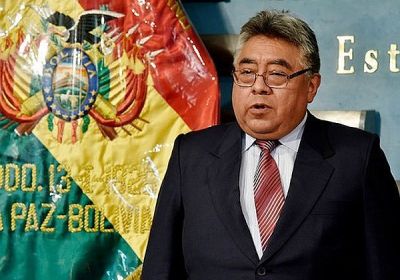
The Bolivian mining cooperative protests and the August 25 killing of the Bolivian Vice-Minister of the Interior Rodolfo Illanes by cooperative miners requires us to question our assumptions about the cooperatives.
-
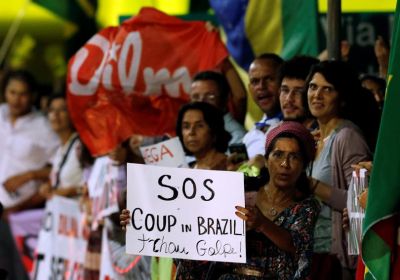 United States State Department spokesperson John Kirby said on August 31 that Brazil's democratic institutions had acted within the country's constitutional framework when the Senate voted to oust elected president Dilma Rousseff and install Michel Temer as the new leader. The US defence of the process that removed Brazil's elected president stands in contrast to many critics, including several Latin American governments, who have labelled it an institutional coup.
 -
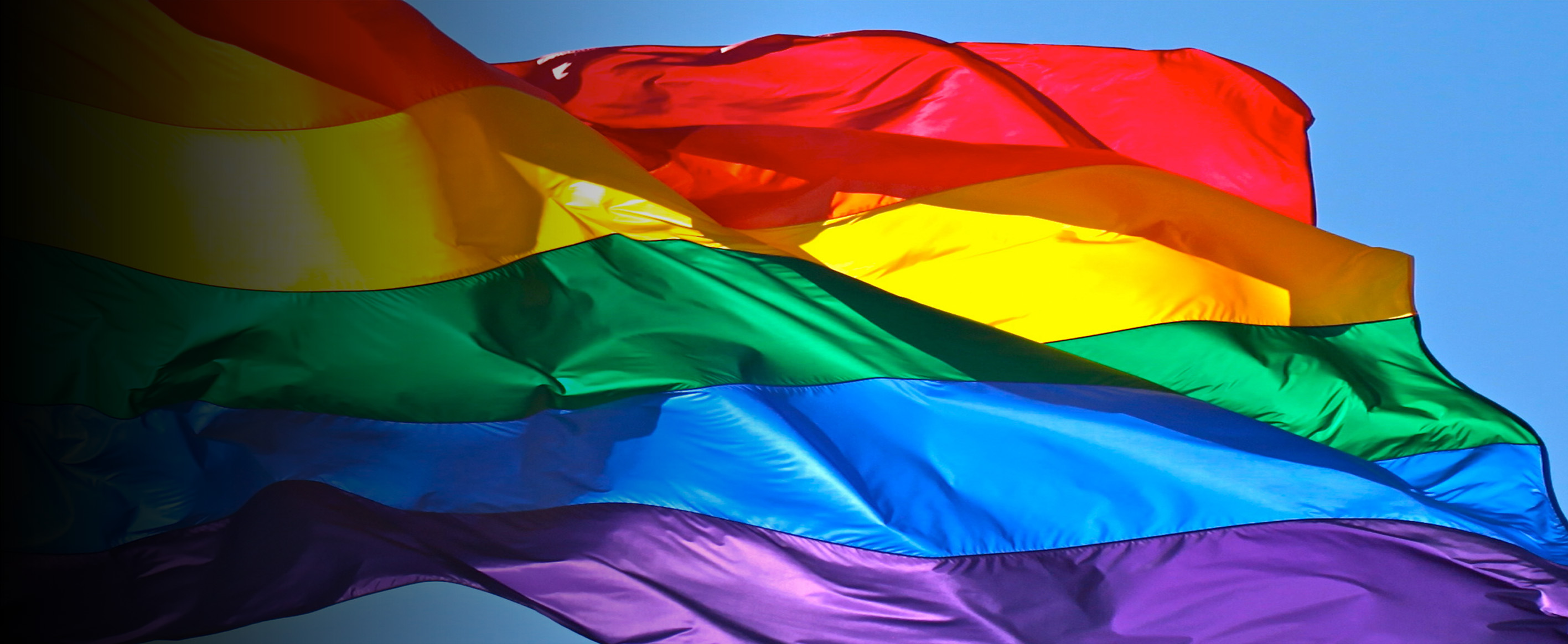 Bolivia has approved a new law that allows transgender people to change their name, sex and gender on birth certificates and other official records. LGBTI rights activists in Bolivia see the law as a groundbreaking sign of growing tolerance in Latin America.
Forty people began the process to change their personal information on identity documents and bank accounts, and alter their professional titles on the day the law passed.
Bolivia has approved a new law that allows transgender people to change their name, sex and gender on birth certificates and other official records. LGBTI rights activists in Bolivia see the law as a groundbreaking sign of growing tolerance in Latin America.
Forty people began the process to change their personal information on identity documents and bank accounts, and alter their professional titles on the day the law passed.
-
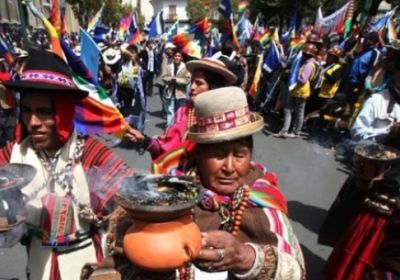 A reform that better represents the nation's indigenous peoples has been implemented after a constitutional request by Bolivia's indigenous peoples of Yampara and the Sura people from Oruro department (state). Bolivians can now add any cultural identity they want on the back of their ID cards, as the government of Evo Morales continues its efforts to build an inclusive society that better represents the nation's Indigenous peoples.
 -
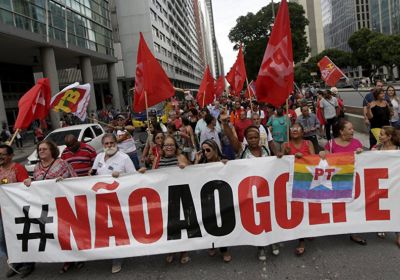
Since the start of the 21st century, the left has won elections in most Latin American countries in a powerful wave of popular rejection of the disastrous neoliberal policies of the previous regimes. One must however distinguish between two quite different sorts of left governments:
-
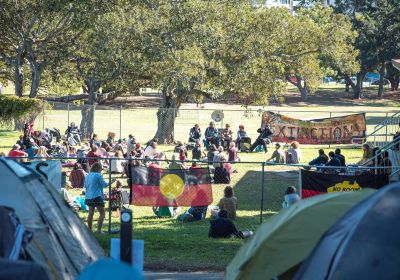 A joint review by Resistance: Young Socialist Alliance members. This year's Students of Sustainability (SOS) conference, organised by the Australian Student Environment Network (ASEN), took place in Musgrave Park, Brisbane on Jagera and Turrbal country July 7-11. SOS started in Canberra in 1991 and is the longest running, annual student conference in Australia.
 -
 A community assembly as part of a communal council in Caracas. Photo by Rachael Boothroyd Rojas/Venezuela Analysis.
Leading Marxist author Michael Lebowitz spent six years (2004-2010) in Venezuela working as a director of the program for Transformative Practice and Human Development at the Miranda International Centre (CIM) in Caracas. There, he had the chance to take part in the building of socialism for the 21st century.
A community assembly as part of a communal council in Caracas. Photo by Rachael Boothroyd Rojas/Venezuela Analysis.
Leading Marxist author Michael Lebowitz spent six years (2004-2010) in Venezuela working as a director of the program for Transformative Practice and Human Development at the Miranda International Centre (CIM) in Caracas. There, he had the chance to take part in the building of socialism for the 21st century.
-
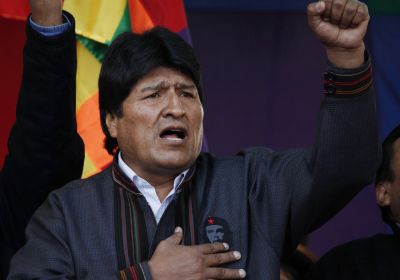 Socialist governments in Latin America must relaunch “democratic revolutions” in order to combat the strategies pushed by the United States to regain control of the region, Bolivian President Evo Morales said in an interview on May 23. “In some countries it should be like a wake-up call where [governments] must start permanent conferences to relaunch democratic and cultural revolutions for Latin America and the Caribbean [region],” Morales said in an interview with Cubavision.
 -
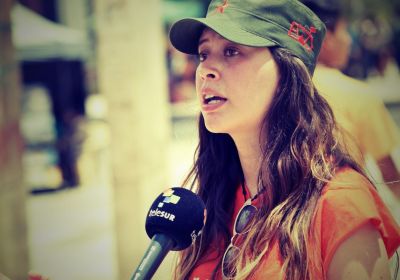 Valeria Silva is a deputy in the Bolivian Plurinational Assembly for the governing Movement for Socialism (MAS) party of President Evo Morales, and a leader within the MAS youth wing.
 -
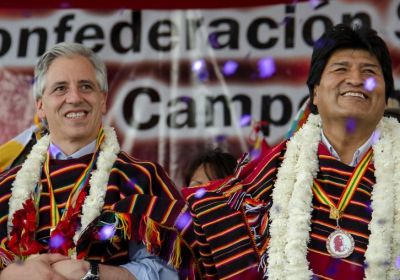
The “no” vote narrowly won with 51.3% of the vote in a February 21 referendum in Bolivia held to resolve whether left-wing President Evo Morales could run again in 2019.
Bolivia
Bolivia
